
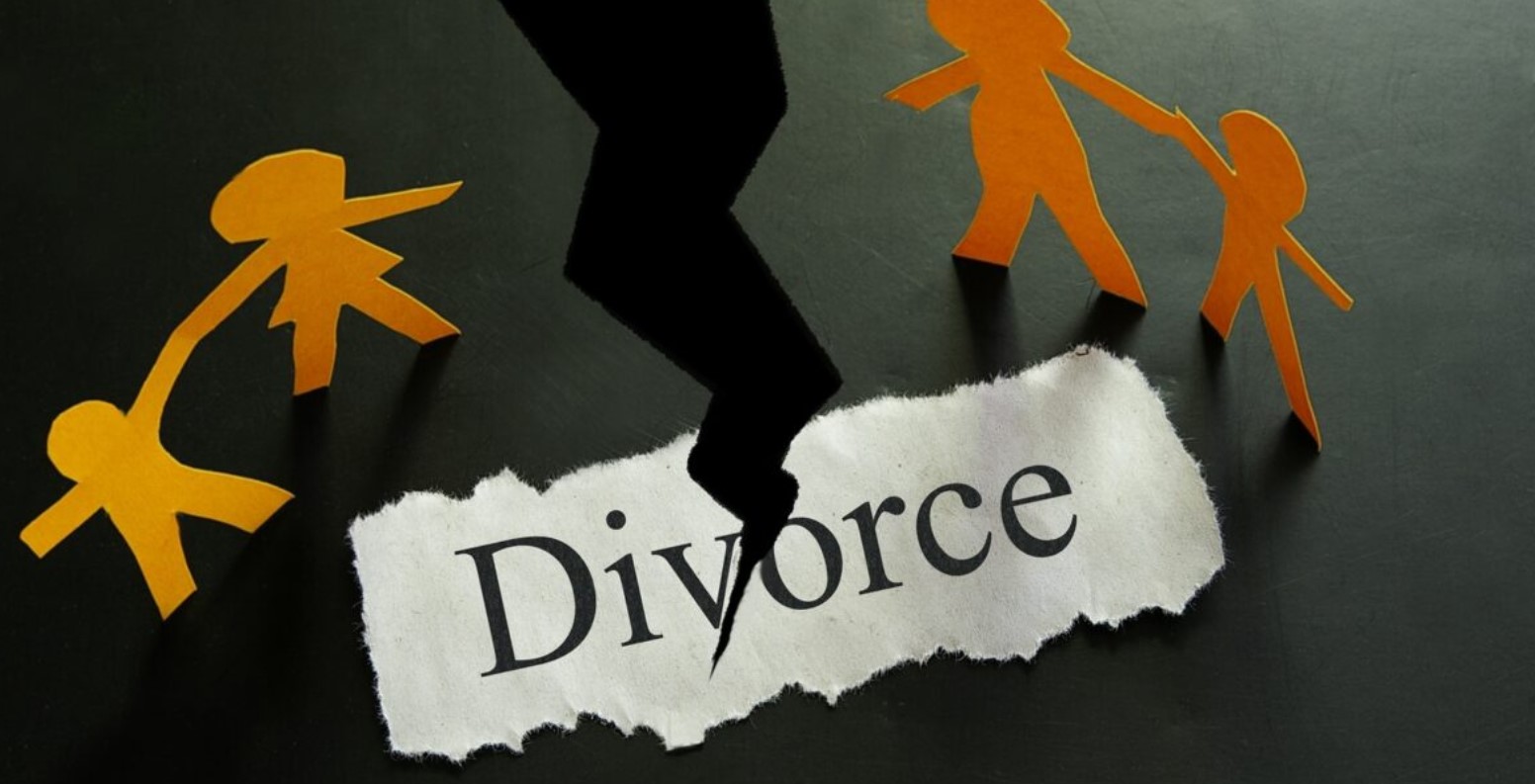
Unveiling the unspoken realities: a comprehensive guide to marriage divorce and the consequences of seeking it.
Marriage is a profound union built on promises of love and commitment. It is one of the longest journeys in human life where you'd be awarded a certificate immediately after your wedding, unlike in the educational system, where honors are presented after the required year(s) of studying.
This institution can sometimes find itself facing challenges, which raises the need for dissolution. Marital dissolution can be done in two main ways: annulment and divorce. However, the latter is most sought as a means to legally end a relationship, partnership, or union.
Divorce, a word laden with emotions and complexities, marks the end of a marital journey that once began with promises of love and commitment.
In this comprehensive exploration, JanaTribe will uncover the untold truth about divorce, shedding light on the intricacies of the application process, legal requirements, grounds for dissolution, stages of divorce proceedings, emotional dimensions, societal perspectives, and the profound effects that resonate far beyond the courtroom.
Definition of divorce
What is divorce? Divorce usually entails the canceling or reorganising of the legal duties and responsibilities of marriage, thus dissolving the bonds of matrimony between a married couple under the rule of law of the particular country or state. It can be said to be a legal dissolution of a marriage by a court or other competent body.
A divorce happens when two people who are married no longer want to be married to each other or live together. They agree to sign legal papers that make them each single again.
The rate of marriage ending legally and mostly through court has been on the rise, according to numerous statistics.
In 2021, a total of 689,308 divorces occurred across the 45 U.S. states that report these statistics. During that same year, 1,985,072 marriages occurred, making the U.S. marriage rate 6 per 1,000 people.
Far more people get married each year than get divorced. These divorce statistics show what happens to marriages that end and when and how couples decide to end them.
An analysis of data derived from Ghana's 2021 Population and Housing Census (PHC) indicates that a significant 553,065 individuals have undergone a divorce, while another 405,090 have gone through a separation.
These statistics were gathered during interviews conducted throughout the 2021 PHC, which commenced on June 27 and concluded on August 15 of the same year.
According to the Ghana Statistical Service (GSS), among the 553,065 individuals who went through divorce, 362,233 were female, accounting for 65.5%, while the remaining 190,832 were male, representing 34.5%.

History of Divorce, origins, and meaning
Why is it called divorce? “Divorce, comes from the Latin word "divortium,, which means separation. It is also equivalent to the word “divort, or “divortere., “Di, means apart, and “vertere, means to turn in different directions. Divertere was also referred to as the meaning of divert, turn aside, separate, or leave one’s husband. The word was traced in French vocabulary in the later part of the 14th century and Middle English in the years 1350, 1400.
To understand the full history of divorce, the term should first be defined. Today, although divorce is expressed or defined in different ways, it expresses a single idea. The most common definitions of divorce include the following:
(1) a judicial declaration dissolving the marriage in whole or in part and releasing the husband and wife from the matrimonial obligation to live together;
(2) any formal separation of husband and wife according to established customs; and
(3) total separation or disunion, or to disunite a marital union.
In today’s modern society, divorce is only recognized if legal and supported by law. The oldest codified law in the history of divorce was traced to 1760 B.C. during the reign of King Hammurabi of Babylon. It is believed that the King carved 282 laws in stone tablets including the law on divorce. During that period, a man could divorce his wife by simply saying, “You are not my wife,, which was followed by payment of a fine and returning the wife’s dowry. However, if it was the wife who wanted a divorce, she was required to file a complaint to obtain a divorce.
Divorce had begun to gain support all over the world and the number of countries that sought the adoption and legalization of divorce began to increase. Divorce was first applied in the following countries: France in 1762, but made it illegal in 1816; Germany in 1875; Ireland in 1997; Italy in 1974 and Spain in 1981. In the US, the history of divorce started in the state of Maryland. Maryland declared divorce legal in 1701 and South Carolina from 1949 to 1950, while the state of California legalized the “no-fault, divorce in 1970. In Pennsylvania, divorce records have been kept since 1804 at the Prothonotary’s Office in the county where the divorce was granted; however, divorce has been traced in Pennsylvania as early as 1682.
The history of divorce took a drastic turn when California adopted and enacted into law the first “no-fault, divorce bill in 1970. The remaining 49 states of the U.S. embraced the importance of divorce law to settle controversies and issues involving family relationships. The latest and last state to adopt “no-fault, divorce was New York when Governor David Paterson signed the “no-fault, divorce bill on August 15, 2010. The law allows the application of divorce by mutual consent.
The Evolution of Divorce: Tracing the historical evolution of divorce provides insights into how societal attitudes and legal frameworks have shaped the concept over the centuries.
As cultural norms evolve, so does the perception of divorce. Analyzing shifts in societal attitudes highlights the dynamic nature of this deeply personal and often stigmatized aspect of human relationships.
What is the Christian view of divorce?
God created marriage as the perfect union between man and woman so they could raise a family. This is a covenant for life and should not be entered into lightly, with divorce as an option.
Divorce in the Bible is only considered in the exceptional circumstances of sexual immorality.
Divorce was very controversial in the Christian community during the Roman Empire. After Christianity became the official religion of the Romans in 380 A.D., divorce was strongly opposed by the church.
During that time, noblemen found refuge with annulments, a declaration from church officials dissolving the marriage for some valid reasons and technicalities. However, the annulment was only for noblemen and those with political connections; not for commoners.
When can you apply for a divorce?
Unlike annulment, divorce is a more common and widely applicable legal process. This process is outlined in the Divorce Act 70 of 1979 in the South African Constitution as well as in other nations.
Grounds for a divorce involve the various various, requirements, and reasons that the couple base on to decide to terminate their nuptial. You can seek a divorce for various reasons, including:
- Communication Breakdown:
- Ineffective communication is a common reason for divorce. When couples struggle to express their needs, listen to each other, or resolve conflicts through communication, it can lead to feelings of frustration and detachment.
- Infidelity:
- Extramarital affairs remain a significant contributor to divorce. Betrayal of trust, emotional distance, and the erosion of the marital bond often result from infidelity, leading couples to opt for divorce.
- Financial Strain:
- Financial difficulties and disagreements about money can create substantial stress within a marriage. Persistent financial strain, differing spending habits, or the inability to manage joint finances can become insurmountable issues.
- Lack of Intimacy:
- A diminishing or non-existent physical and emotional intimacy can strain a marriage. Couples may drift apart when their emotional and physical needs are not fulfilled, ultimately leading to feelings of loneliness and dissatisfaction.
- Divergent Priorities and Goals:
- Over time, individuals may undergo personal growth or experience shifts in their priorities and life goals. If spouses find themselves heading in divergent directions, it can create a wedge in the relationship, prompting considerations of divorce.
- Unresolved Conflicts:
- Persistent unresolved conflicts, whether related to parenting styles, family dynamics, or personal values, can create a toxic atmosphere within the marriage. When efforts to resolve conflicts prove futile, divorce may be seen as a viable solution.
- Mental Health Issues:
- Mental health challenges, such as depression, anxiety, or substance abuse, can strain marital relationships. The impact of one partner's mental health on the marriage may become too burdensome, leading to the decision to divorce.
- Parenting Disagreements:
- Differences in parenting styles, approaches, or disagreements over important parenting decisions can become sources of significant tension. When couples are unable to find common ground on parenting matters, it can lead to divorce.
- Incompatibility:
- Over time, couples may realize they have become fundamentally incompatible due to differences in values, interests, or lifestyles. Incompatibility can erode the foundation of a marriage, making divorce a logical choice for a fresh start.
- Emotional or Physical Abuse:
- Instances of emotional, verbal, or physical abuse create toxic environments within marriages. When the safety and well-being of a spouse or children are at risk, divorce is often sought as a means of escaping an abusive relationship.
- Irretrievable Breakdown:
- You have undergone a continuous one-year separation with no chance of reconciliation.
- Criminal Activity:
- One partner was declared a habitual criminal undergoing imprisonment.
- Prolonged Unconsciousness:
- One of the partners has been unconscious for at least six months with no anticipated recovery.
It's important to note that these reasons are often interrelated, and individuals may experience a combination of factors leading to the decision to pursue divorce. Every marriage is unique, and the decision to divorce is a complex and personal one shaped by a multitude of factors.
Stages of Divorce Proceedings
Filing and Response:
- The divorce process begins with the filing of the petition, followed by the other party's response. This stage sets the legal framework for subsequent proceedings.
Discovery Phase:
- The discovery phase involves gathering information, documents, and evidence relevant to the divorce, including financial records, property deeds, and other pertinent details.
Negotiation and Mediation:
- Negotiation and mediation can play a crucial role in reaching mutually agreeable settlements on issues like property division, child custody, and alimony.
Trial:
- If negotiations fail, the divorce may proceed to trial, where a judge makes decisions on contested issues based on the presented evidence and legal arguments.
The Application Process
Filing the Petition:
- The divorce process typically begins with one party filing a divorce petition, outlining the grounds for divorce, desired outcomes, and other essential information.
Legal Representation:
- Engaging legal representation is advisable to navigate the intricacies of divorce law, ensuring that the petitioner's rights and interests are protected throughout the process.
Legal Requirements for Divorce
Jurisdictional Considerations:
- Understanding the jurisdictional requirements is vital, as divorce laws vary across regions, states, or countries. Meeting residency requirements is often a key consideration.
Grounds for Divorce:
- Grounds for divorce vary, including irreconcilable differences, adultery, abandonment, cruelty, and other factors specific to the legal jurisdiction.
Effects/Consequences of Divorce
There are a lot of consequences or effects (both positive and negative) for seeking a divorce. These result in emotional and psychological challenges on the children, the couple's finances and properties, etc.
Understanding the legal implications of divorce is crucial, as it involves navigating a complex legal system, addressing financial matters, and potentially engaging in a contested legal process.
Some of these consequences of divorce include the following:
Impact on Spouses:
- Divorce can have profound emotional effects on spouses, ranging from grief and loss to relief or even newfound independence.
Impact on Children:
- Children may experience emotional distress, confusion, or a sense of loss during a divorce. Addressing their needs and providing emotional support is crucial.
Division of Assets:
- One of the financial effects of divorce is the division of assets. This involves determining how marital property, debts, and assets are distributed between the spouses.
Alimony and Spousal Support:
- Depending on the jurisdiction and individual circumstances, the court may order spousal support or alimony to ensure financial stability for one of the parties.
Post-Divorce Adjustments
Coping Strategies:
- Post-divorce, individuals may need to develop coping strategies to navigate the emotional aftermath, potentially seeking therapy or support from friends and family.
Co-Parenting Dynamics:
- If children are involved, establishing healthy co-parenting dynamics is crucial for their well-being. Effective communication and cooperation have become essential.
New Beginnings:
- Despite the challenges, divorce can be a gateway to new beginnings, self-discovery, and the pursuit of a healthier, more fulfilling life.
Learning and Growth:
- The untold truth about divorce lies in its potential for personal growth, learning from past experiences, and building a future based on newfound insights.
Co-Parenting Challenges:
- Co-parenting after a divorce poses unique challenges. Delving into the dynamics of co-parenting provides insights into fostering a healthy environment for children post-divorce.
Communication and Collaboration:
- Effective communication and collaboration between divorced parents are crucial for the well-being of their children. Understanding strategies for successful co-parenting enhances the post-divorce family dynamic.
Cultural and Social Perspectives
Stigma and Social Perception:
- Divorce may still carry a societal stigma in certain cultures or communities. Individuals navigating divorce may face judgment or misconceptions about their decisions.
Evolving Attitudes:
- Attitudes towards divorce are evolving, with societies becoming more accepting of the fact that not all marriages can or should be sustained.
Coping Strategies and Emotional Healing
Counseling and Therapy:
- Professional counseling and therapy play a crucial role in helping individuals cope with the emotional aftermath of divorce. Exploring these avenues sheds light on the importance of mental health support.
Support Systems:
- Building a strong support system comprising friends, family, and support groups is integral to the healing process. Understanding the role of support networks enhances resilience during challenging times.
Legal Guidance:
- Seeking legal guidance from qualified professionals ensures that individuals are well-informed about their rights, responsibilities, and the legal aspects of divorce.
Emotional Support:
- Emotional support from friends, family, or therapists plays a crucial role in helping individuals cope with the challenges of divorce.
Conclusion
In conclusion, divorce is a complex and deeply personal decision influenced by a myriad of factors. From communication breakdowns to financial strain and evolving priorities, couples navigate the intricate landscape of relationships, sometimes arriving at the challenging choice to part ways. It's a process marked by both hardship and resilience, offering individuals the opportunity for self-discovery and the pursuit of a healthier, more authentic future. As we reflect on the reasons behind divorce, let us approach the topic with empathy, recognizing that each journey is unique and that, amidst the difficulties, there lies the potential for growth and new beginnings.
In the face of adversity, divorce becomes not only an end but a transformative journey toward a renewed sense of self and the prospect of forging connections that align with one's evolving aspirations. As we consider the multifaceted realities of divorce, let empathy and understanding guide our perspectives, fostering a supportive environment for those navigating the intricate terrain of marital dissolution.