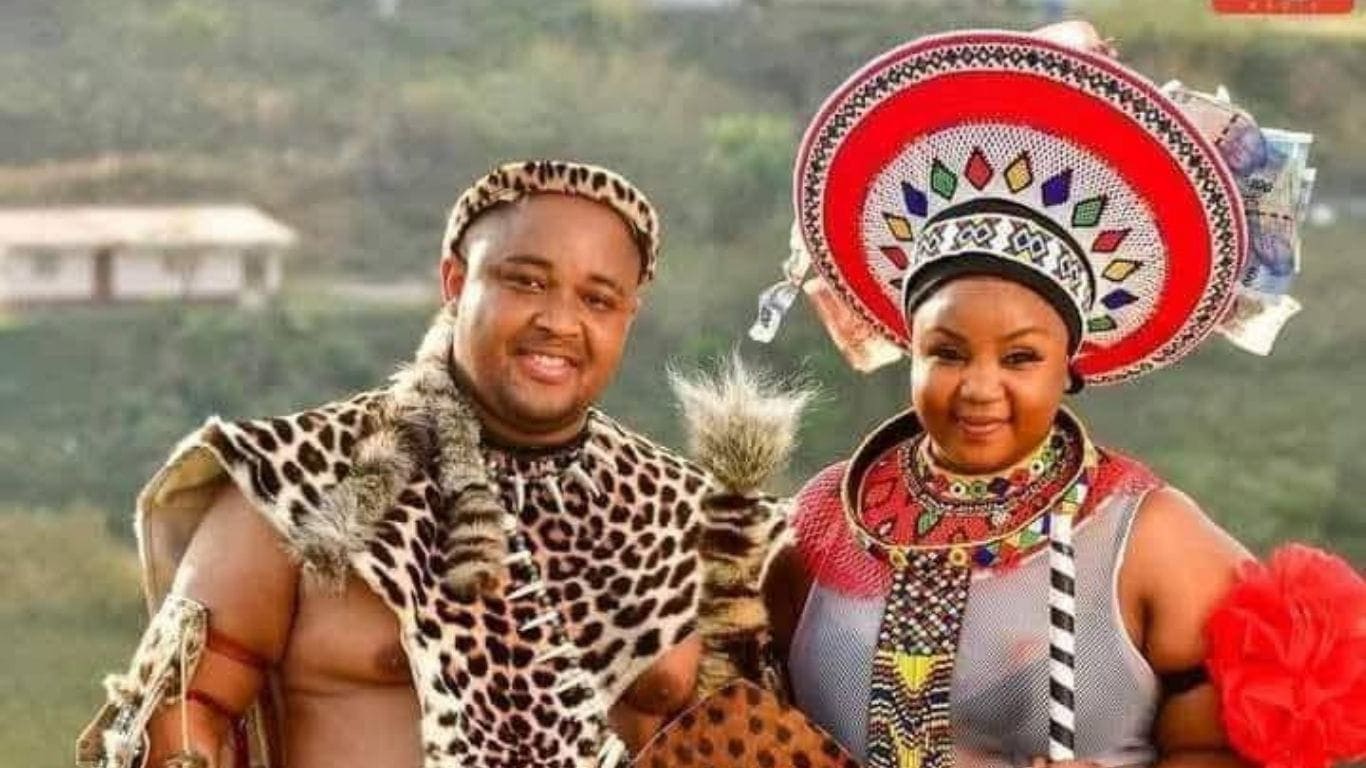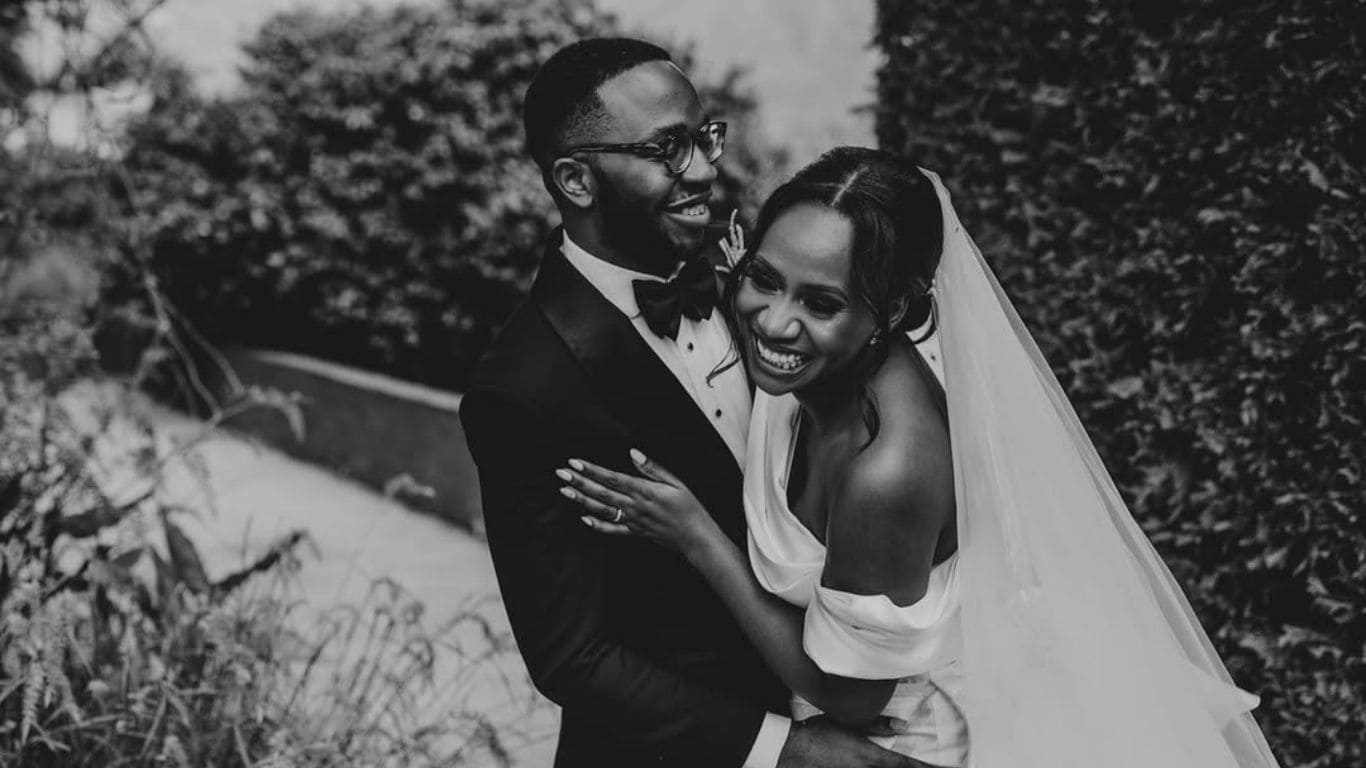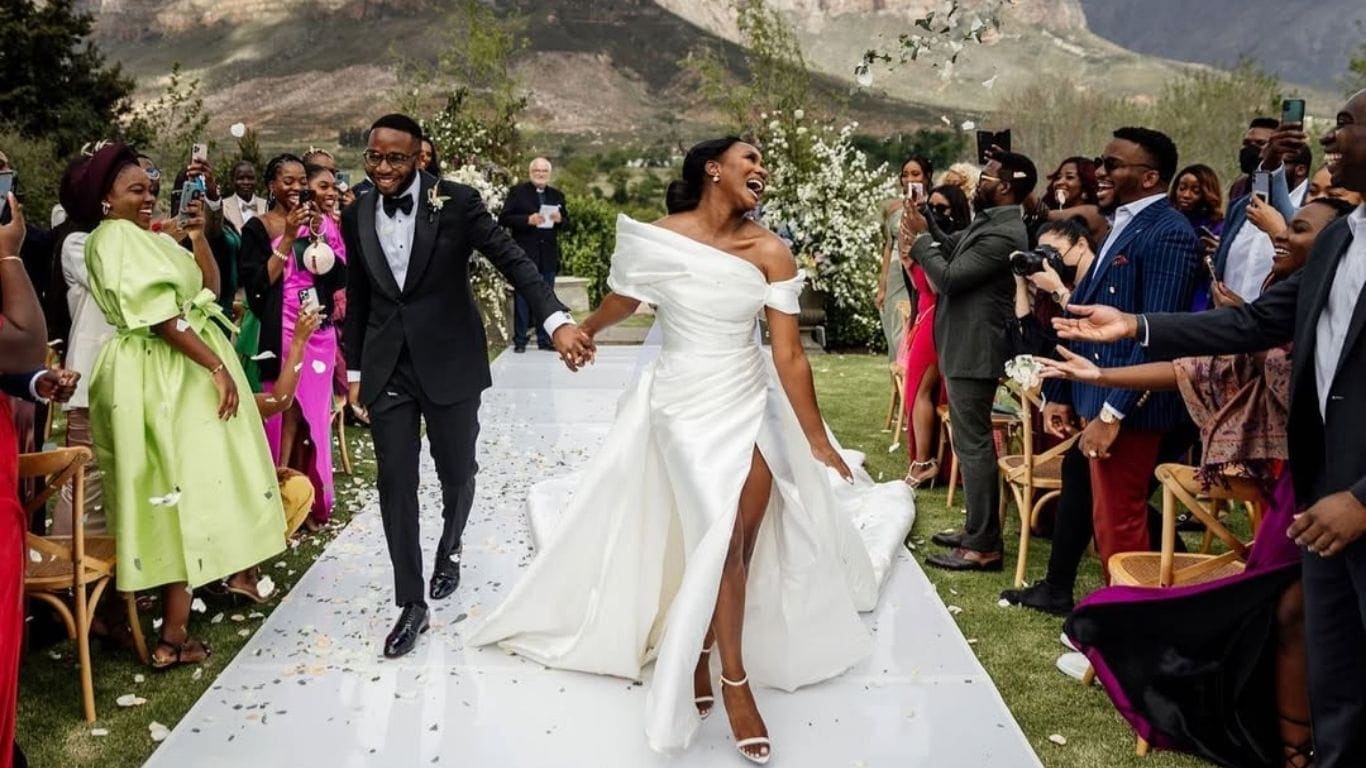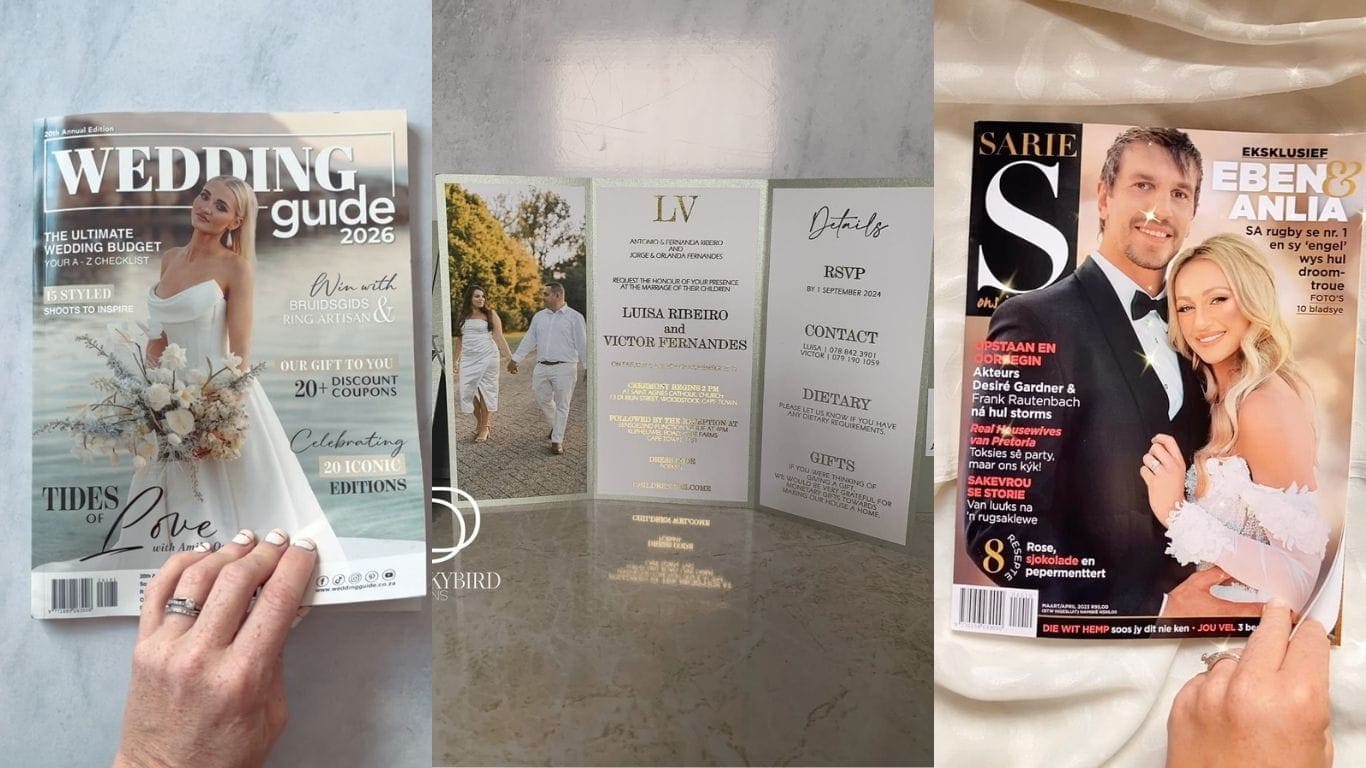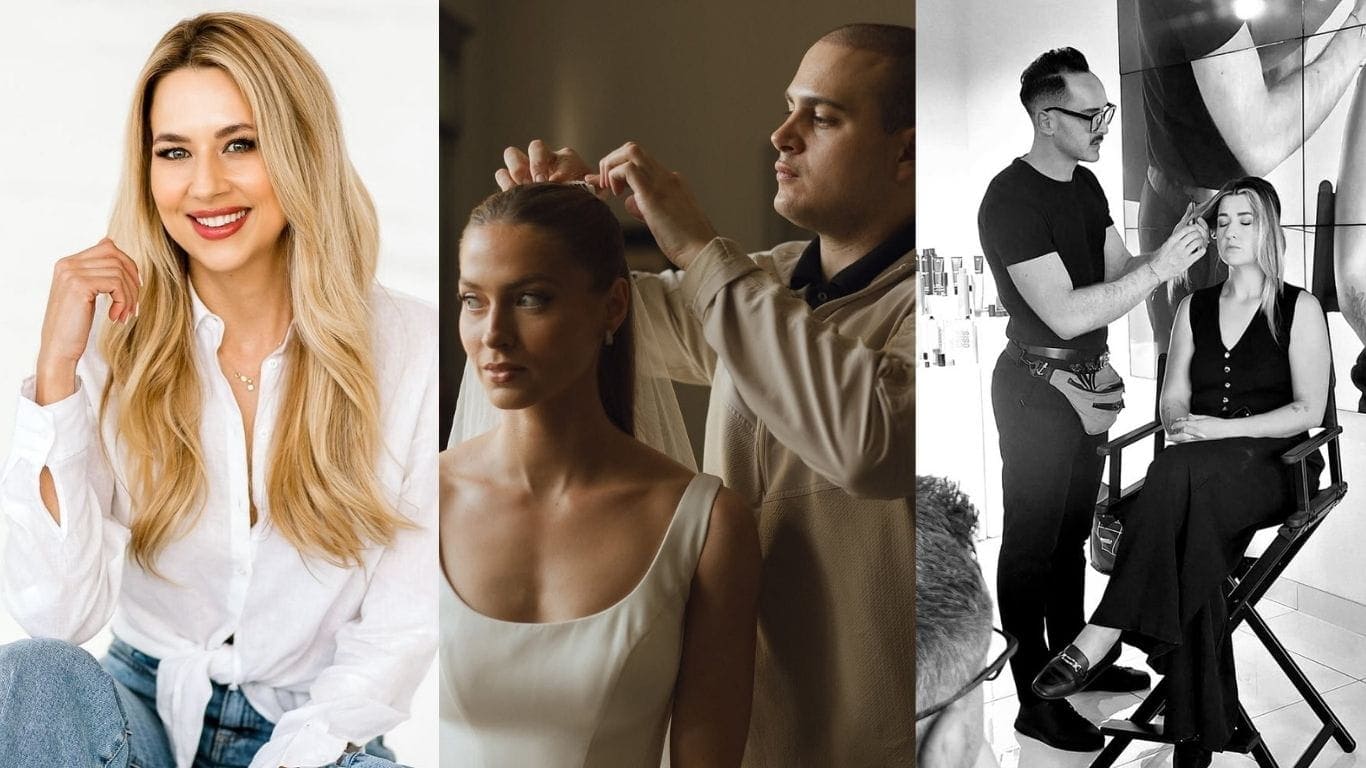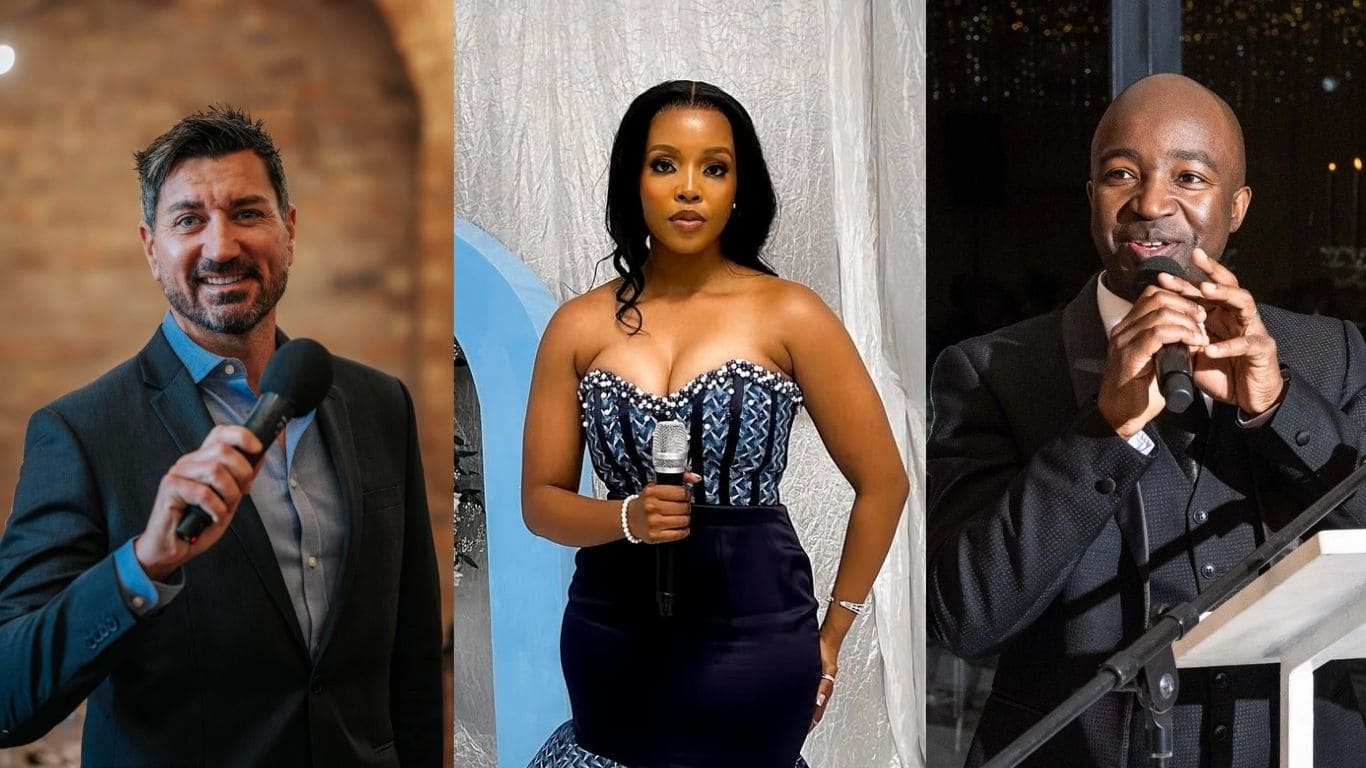
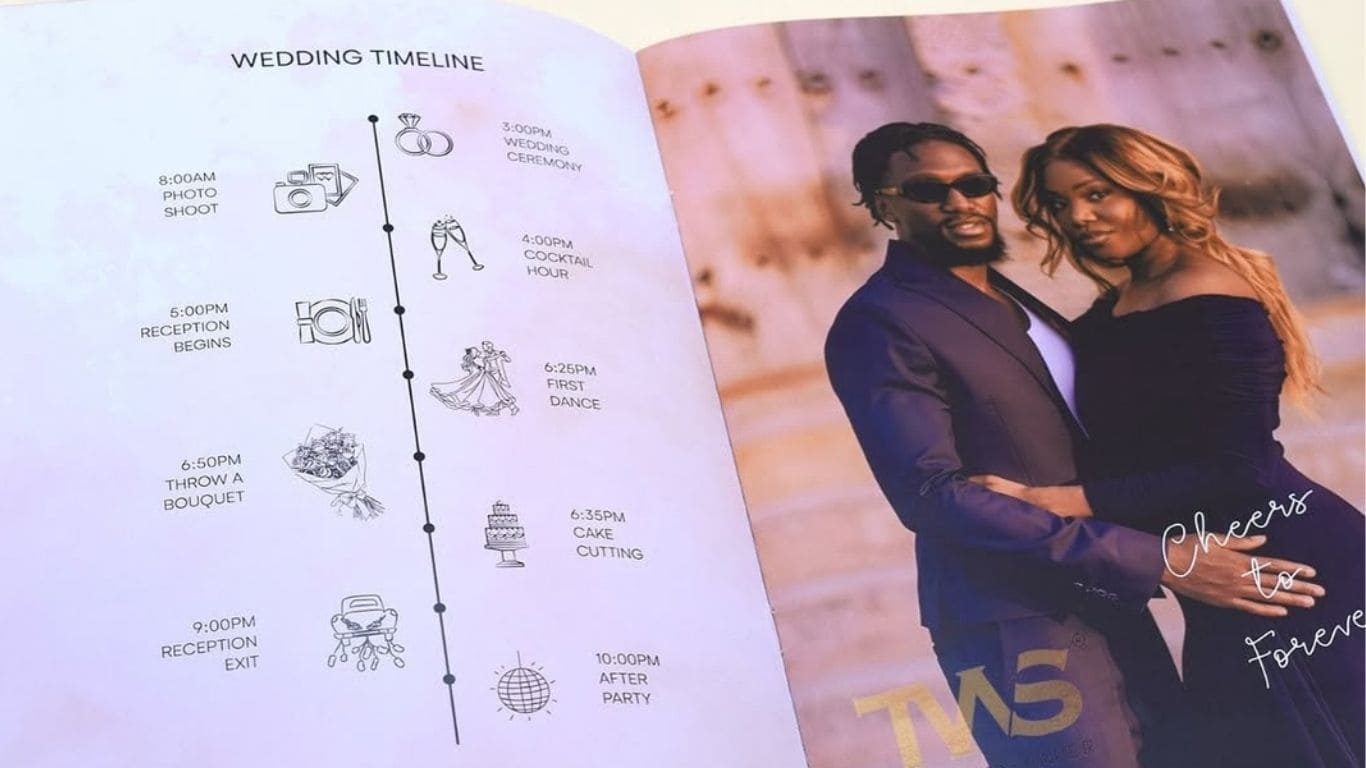
With multiple ceremonies often taking place on different days, a clear program outline is what gives Nigerian weddings their structure and flow.
Weddings in Nigeria are a celebration like no other. They are deeply rooted in traditions and customs that reflect the rich tapestry of our diverse cultures. From the drumming and dancing at the traditional wedding to the elegance of the church or white wedding, and finally the fun and festivities at the reception, every element tells a story.
Yet, in all this excitement, many couples get caught up in the glitter—the perfect aso-ebi, the designer bridal gowns, the flashy head ties, and even the trending hairstyles. While it’s amazing to look picture-perfect on your big day, something often gets overlooked: the wedding program. Without a clear timeline or program outline, all the planning, music, and food can end up feeling chaotic, leaving both couples and guests confused about what comes next. That’s where having a solid Nigerian wedding program outline makes all the difference, ensuring each ceremony, event, and moment flows smoothly, and everyone knows where to be and when.
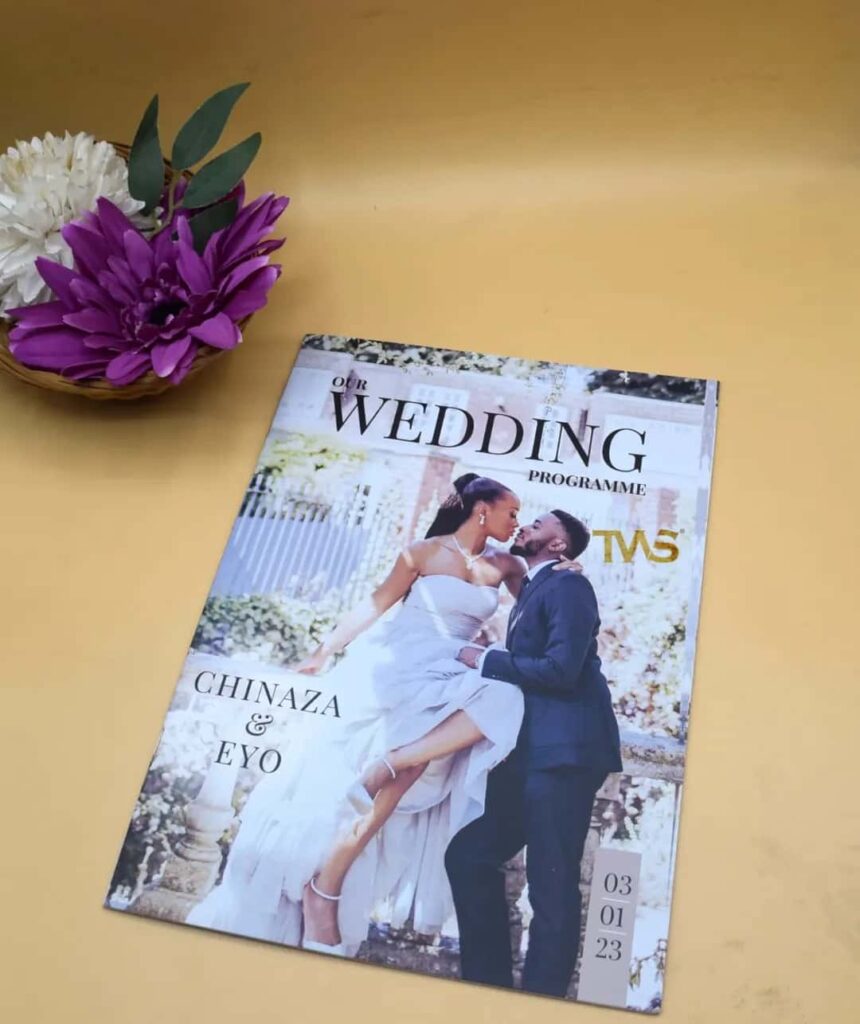
Why Every Nigerian Wedding Needs a Program Outline
A Nigerian wedding is rarely a one-day affair. Between the traditional engagement, the white wedding, and the reception, events often stretch across multiple days. This is why having a program outline isn’t just helpful—it’s essential. A clear plan makes sure every moment is celebrated properly while avoiding confusion and unnecessary stress. Here’s why:
1. Keeps the day organized
Without a timeline, things can get messy fast. The bride and groom might be pulled in different directions, vendors can overlap, and guests may arrive late or miss key moments. A program ensures everyone—from the MC to the caterers—knows what happens and when.
2. Reduces stress for the couple
Your big day should be full of joy, not panic. Knowing that the traditional marriage, white wedding, and reception all have scheduled slots gives the couple peace of mind. They can relax and focus on enjoying the moment instead of constantly checking if everything is running on time.
3. Helps the MC and vendors stay on track
The MC, photographers, caterers, and musicians rely heavily on the timeline. A program outline ensures there’s no awkward waiting, no rushed meals, and no confusion about when to start speeches or dances.
4. Enhances the guest experience
Guests love knowing what to expect. With a program outline, they can plan their day better, whether it’s preparing for the traditional wedding dancing, the solemnity of the church service, or the fun of the reception. It keeps them engaged and excited throughout.
5. Prevents delays and time clashes
In Nigerian weddings, things can get busy fast—especially when multiple families are involved. A clear outline ensures that key ceremonies don’t overlap, and everything from the introduction of the couple to the cake cutting and throwing of the bouquet happens seamlessly.
6. Captures every special moment
From the breaking of the kola nut at the traditional wedding to the first dance at the reception, a program ensures no moment is forgotten. Photographers and videographers also know exactly when to capture the magic, creating memories that last a lifetime.
7. Shows professionalism and thoughtfulness
A well-structured program sends a message: this wedding is planned with care. Families, friends, and even vendors appreciate the effort, which sets the tone for a smooth and memorable celebration.

The Introduction Ceremony: A Glimpse Across Yoruba, Igbo, and Hausa Traditions
Before the fanfare of a traditional wedding begins, Nigerian marriages often start with the introduction—a meeting where the groom’s family formally announces his intentions to marry the bride. It’s a moment for families to get acquainted, discuss plans, and set the stage for the wedding day. While simple in purpose, the introduction carries cultural weight and is treated with respect across all ethnic groups.
In Yorubaland, the groom’s family visits the bride’s home with gifts like drinks and food, discussing everything from the wedding date to attire and the scale of the celebration. Among the Igbo, the introduction is more ritualized: the groom, sometimes accompanied by family elders, presents his intentions, offers gifts such as kolanut and palm wine, and the bride’s consent is sought before finalizing dates and dowry.
In Hausa culture, the introduction unfolds in stages, starting with an initial assessment visit by the groom’s friends, followed by the formal proposal with gifts or money, and concluding with meetings to agree on the wedding date. Across all three groups, what was once a quiet family affair has evolved into a celebratory gathering, where guests are hosted, and the occasion reflects both tradition and joy.

Nigerian Traditional Wedding Order of Events
Just as in many African cultures, the traditional wedding in Nigeria is where the actual marriage is celebrated—the moment families come together, and traditions are honored. The couple is formally accepted into each other’s lives. This is where customs, music, and cultural rituals take center stage, and the union is recognized not just between the couple but between families and communities.
In a traditional Yoruba wedding, the ceremony is usually anchored by professional MCs, traditionally called Alaga Ijoko (representing the bride’s family) and Alaga Iduro (representing the groom’s family). The alagas, often called narrators (mostly women), guide the event, ensuring everything flows smoothly, and infuse the day with humor, playful banter, and lively commentary. A Yoruba wedding is a feast for the senses: vibrant colors, contemporary Nigerian music, elaborate attire, and sumptuous meals. The ceremony typically lasts at least six hours, giving ample time for every ritual and family interaction.
Here’s how the flow usually happens across many Nigerian communities, blending Yoruba, Igbo, and Hausa customs:
1. Arrival of Families and Special Guests
The bride’s family typically arrives first, led by elders or the Alaga Ijoko, setting the tone for the day. The groom’s family follows, guided by the Alaga Iduro, who introduces them and welcomes them into the celebration. Special guests, community elders, and family friends are also formally recognized. This is a moment of respect, recognition, and unity, allowing families to greet one another before the formal proceedings begin.
2. Opening Prayers and Thanksgiving
The ceremony often starts with a short prayer led by a spiritual leader or a respected family member, thanking God, ancestors, or the community. Sometimes, cultural songs or hymns follow, creating a reflective but joyful atmosphere. This prayer sets the tone for the union and asks for guidance and blessings for the couple.
3. Purpose of Gathering & Family Introductions
The MCs (Alaga Ijoko and Alaga Iduro) explain the purpose of the gathering and formally introduce parents and close family members of both sides. In some traditions, there’s a symbolic recognition of lineage and heritage, emphasizing that marriage is not just a union of two people but of two families.
4. Processional / Introduction of the Couple
The groom may make a grand entrance first, sometimes with drummers and music, followed by the bride escorted by female relatives. The MCs introduce the couple to the guests, announce their names, and guide them to their designated positions. This is a colorful, lively moment, showcasing the couple’s attire, aso-ebi, and vibrant cultural identity.
5. Proposal, Letter Presentation, and Bride Price
The groom or his family formally presents his intention to marry. Letters of introduction or thanksgiving are read aloud. In Igbo and some Yoruba ceremonies, the bride may verbally give her consent at this stage. The groom may also pay the bride price or present symbolic gifts such as kola nuts, money, or property, affirming his commitment to supporting the marriage.
6. Cultural Rituals / Engagement Proper
This is the heart of the traditional wedding, where rich cultural rituals are performed:
- Palm Wine Carrying (Igbo custom / Igba Nkwu): The bride carries a cup of palm wine, searching for the groom among guests, offering him a sip, and drinking some herself, symbolizing acceptance and partnership.
- Cap Exchange Ritual (Yoruba custom): The bride removes the groom’s cap and replaces it with another, symbolizing shared authority and respect.
- Money Spraying: Friends, family, and the groom’s entourage shower the bride with cash until she smiles, celebrating joy and prosperity.
- Picking of Precious Gift / Eruiyawo (Yoruba custom): The bride selects a symbolic gift, showing her readiness to join the family.
- Breaking of Kola Nuts: A ritual in many Nigerian cultures symbolizing unity and acceptance between families.
- Presentation of Yams or Other Traditional Gifts: A blessing for prosperity, fertility, and abundance, sometimes including attire, jewelry, or household items.
- Exchange of Rings or Kola Nuts: Couples exchange symbolic items to seal the commitment, often accompanied by parental blessings.
7. Exchange of Marriage Vows
In some ceremonies, the couple formally exchanges vows, promising love, commitment, and support in front of family and guests. This moment is heartfelt and often emotional, marking a symbolic start to married life.
8. Parental Blessings and Family Acknowledgment
Parents and elders bless the couple, offering prayers, advice, and symbolic gifts. These blessings reflect wisdom, guidance, and the community’s support for the marriage.
9. Official Handing Over of the Bride
The bride’s parents formally hand her over to the groom, marking the completion of the traditional rites. Both families and the couple offer thanksgiving, acknowledging love, support, and guidance from relatives and the community.
10. Declaration of Marriage
In some communities, the officiant or MC formally pronounces the couple married, marking the official start of their life together. This may be accompanied by cheers, applause, and a celebratory embrace or kiss.
11. Closing Prayers and Social Celebration
The ceremony concludes with a closing prayer led by the MC or spiritual leader. Guests are invited to refreshments, meals, and continued celebration. Music, dancing, and storytelling often continue, turning the end of the formal ceremony into a lively communal celebration.

Nigerian Church / White Wedding Program Outline
After the traditional wedding, the church or white wedding is where the union is blessed before God and legally recognized. In Nigeria, this ceremony is usually held in a church or registry and follows a structured, faith-based order that varies slightly by denomination but keeps the same core flow.
Unlike the traditional wedding that thrives on playful banter and cultural rites, the white wedding is more solemn and orderly. Every segment, from the processional to the final blessing, is intentional. Having a clear program outline helps the ceremony move smoothly, keeps the church service on time, and ensures nothing important is rushed or skipped.
Below is the typical order of events for a Nigerian church or white wedding, as it commonly plays out across different denominations.
1. Prelude
Soft instrumentals, choir ministration, or worship songs as guests arrive and settle in. This sets the tone and signals that the service is about to begin.
2. Arrival and Seating of Guests
Ushers guide guests to their seats. Close family members and special guests are usually seated last, just before the service officially starts.
3. Processional
- Entry of the bridal party
- Entrance of the groom (depending on church tradition)
- Grand entrance of the bride, often accompanied by her father or guardian
This is one of the most anticipated moments of the ceremony.
4. Opening Prayer / Invocation
The officiating minister opens the service with prayer, committing the ceremony and the couple into God’s hands.
5. Welcome and Purpose of Gathering
A brief welcome address explaining why everyone has gathered, usually to witness the joining of the couple in holy matrimony.
6. Scripture Readings
Selected Bible passages are read. These may include the Old Testament, New Testament, or Psalms, depending on the church’s doctrine.
7. Hymn or Worship Song
A congregational hymn or worship song, often chosen by the couple but approved by the church.
8. Charge to the Couple / Sermon
A short message focused on marriage, love, commitment, and responsibility. In Nigerian churches, this is usually direct, practical, and scripture-based.
9. Declaration of Intent
The minister asks the formal “Do you take…?” questions, confirming the couple’s willingness to enter the marriage willingly.
10. Exchange of Vows
The couple makes their vows to each other. These are often traditional church vows, though some churches allow minor personalization.
11. Exchange of Rings
Rings are exchanged as a symbol of covenant, unity, and commitment.
12. Pronouncement of Marriage
The officiating minister officially declares the couple husband and wife.
13. Prayer of Blessing / Dedication of Marriage
Prayers are offered for the couple’s home, future, and marriage journey.
14. Signing of the Marriage Register
The couple, witnesses, and officiant sign the marriage certificate. This is the legal aspect of the ceremony.
15. Final Blessing / Benediction
A closing prayer and blessing are pronounced over the couple and the congregation.
16. Recessional
The newlyweds exit first, followed by the bridal party, as music plays and guests prepare for the next phase of the celebration.
Order of Wedding Photographs (Church Edition)
Immediately after the recessional, churches typically facilitate structured photography before everyone disperses.
Here’s the standard order:
- The couple
- The couple with:
- Officiating ministers
- Bride’s parents
- Bride’s immediate family
- Groom’s parents
- Groom’s immediate family
- Both families
- Entire bridal team (bridesmaids + groomsmen)
- Colleagues
- Friends
- Bridesmaids only
- Groomsmen only
- Bride only
- Groom only
- Groom with his squad
- The bride with her bridal party
- Friends of the bride with the couple
- Friends of the groom with the couple
- Ring bearer and little bridesmaids
- Friends, church members, and general well-wishers
Modern Changes to Church Wedding Photography
Today, church wedding photography no longer ends at the church gate. With guests often moving straight into cocktail hour, photographers now prioritize key portraits and detail shots at the reception venue, where the décor, signage, and lighting are fully set.
Here’s how the modern flow typically looks:
1. Bride and Groom Portraits
Relaxed, romantic, and editorial-style portraits taken around the reception venue. This is where photographers get creative, using the décor, architecture, and natural light to tell the couple’s story.
2. Immediate Family Photos
Quick, well-organized portraits with parents and siblings while everyone is still present and looking fresh. These are usually done efficiently to keep the timeline moving.
3. Wedding Party Shoots
Fun, coordinated shots of bridesmaids and groomsmen, often less formal and more expressive than traditional church photos.
4. Couple with the Wedding Party
Full bridal party portraits that capture the energy and celebration of the day, usually taken before guests fully settle into the reception.
5. Reception Room Details
Before guests enter, photographers document the full setup: tablescapes, stage design, cake display, menu cards, floral installations, lighting, and personalized signage. These images preserve the effort that goes into the décor before it’s touched or rearranged.
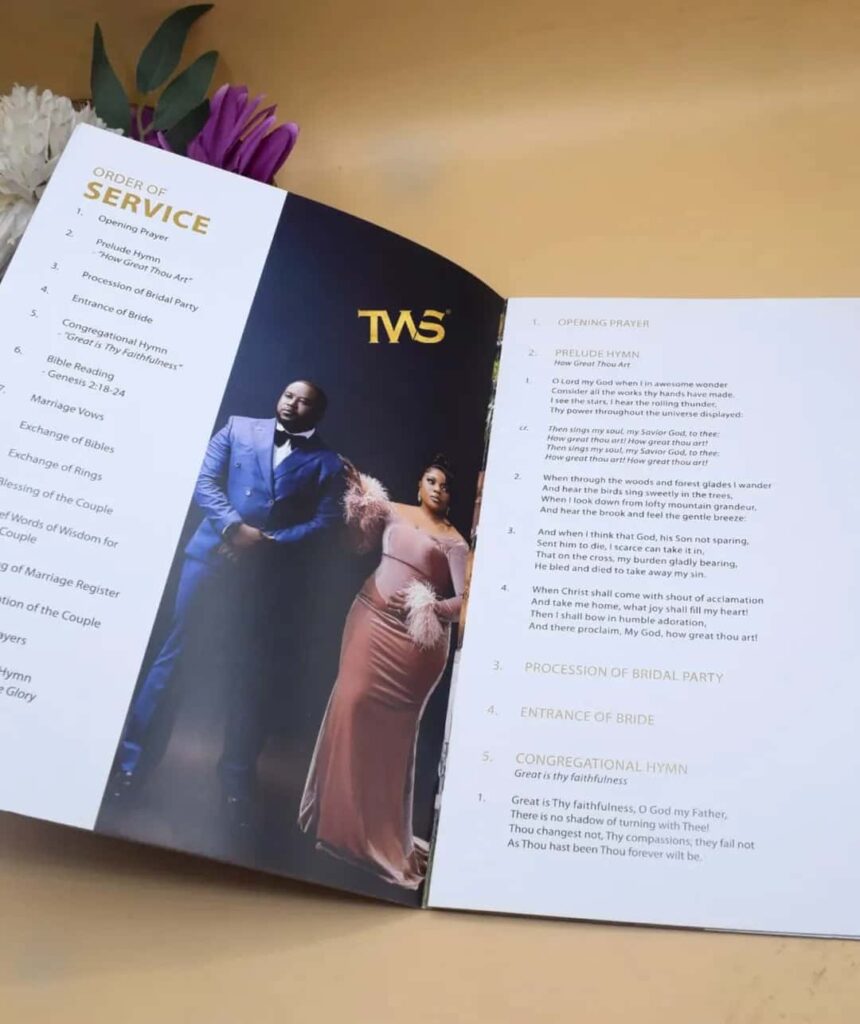
Nigerian Wedding Reception Timeline
After the ceremony, the reception is where the mood fully loosens. This is the celebration part of the day, when the newlyweds and their guests eat well, dance freely, laugh loudly, and enjoy the moment. It’s less formal than the church or traditional rites, but it still follows a clear structure so the event flows smoothly.
At the center of it all is the MC. In a Nigerian wedding reception, the MC is the conductor of the day. They announce every major move, cue entrances, manage speeches, control the energy in the room, and make sure nothing important is skipped or rushed. A good MC knows when to slow things down, when to hype the crowd, and when to transition gracefully from one segment to the next.
Here’s how a typical Nigerian wedding reception unfolds.
1. Guest Arrival and Seating
Guests arrive at the reception venue, get seated by ushers, and settle in as music plays in the background.
2. Entrance of the Bride’s Family
The bride’s family is formally welcomed into the hall, often accompanied by music and a light celebration.
3. Entrance of the Groom’s Family
The groom’s family follows, completing the symbolic coming together of both families.
4. Recognition of Guests and Dignitaries
The MC acknowledges elders, special guests, family heads, and notable attendees in the hall.
5. Bridal Party Entrance
Bridesmaids and groomsmen make their entrance, usually coordinated with music or choreography.
6. Couple’s Grand Entrance and Opening Dance
The highlight moment of the reception. The couple enters together and dances, officially kicking off the celebration.
7. Opening Prayer
A short prayer of thanksgiving and blessings for the couple and the event.
8. Breaking of Kolanut (If Included)
A cultural segment symbolizing peace, unity, and hospitality between families.
9. Chairman’s Speech
The chairman of the occasion delivers brief remarks, welcomes guests, and offers goodwill to the couple.
10. Blessing of the New Couple
Parents, elders, or a clergy representative offer prayers and words of wisdom.
11. Toast to the New Couple
Led by the best man, maid of honor, or a chosen speaker.
12. Couple’s First Dance
A calm, emotional moment before the party energy fully rises.
13. Parent and Family Dances
This may include:
- Father–daughter dance
- Mother–son dance
- Bride dancing with siblings and mother
- Groom dancing with siblings and mother
14. Dinner Service
Guests are served while music continues in the background.
15. Cake Cutting
The couple cuts the wedding cake, followed by cheers and photos.
16. First Feeding of the Couple
A symbolic act representing care, love, and partnership.
17. Presentation of Gifts
Family, friends, and well-wishers present gifts, envelopes, or monetary blessings.
18. Wedding Games
Fun and interactive games led by the MC to keep the atmosphere lively.
19. Couple Dance Session
High-energy dancing with the couple at the center of the celebration.
20. Bride and Squad Dance Segment
A modern, often choreographed dance moment with the bride and her close friends.
21. Open Dance Floor
Guests are invited to dance freely and enjoy the rest of the celebration.
22. Bouquet Toss (Optional)
Usually done while the energy in the room is still high.
23. Groom’s Thank-You Speech
A short, heartfelt message appreciating guests, family, and supporters.
24. Closing Prayer
A final prayer to formally close the reception program.
Final Thoughts
A Nigerian wedding is not just an event. It’s a sequence of moments, meanings, and memories carefully stitched together by culture, family, and celebration. While timelines may shift and styles may evolve, the heart of the day stays the same: two families agreeing, two people committing, and a community showing up in full support.
What really matters is flow. When each segment has its place, and the MC understands the rhythm of the room, the day feels effortless, joyful, and complete. Whether traditional, church, or reception, the order of events is simply a guide. The love, laughter, music, and shared joy are what guests remember long after the last song plays.