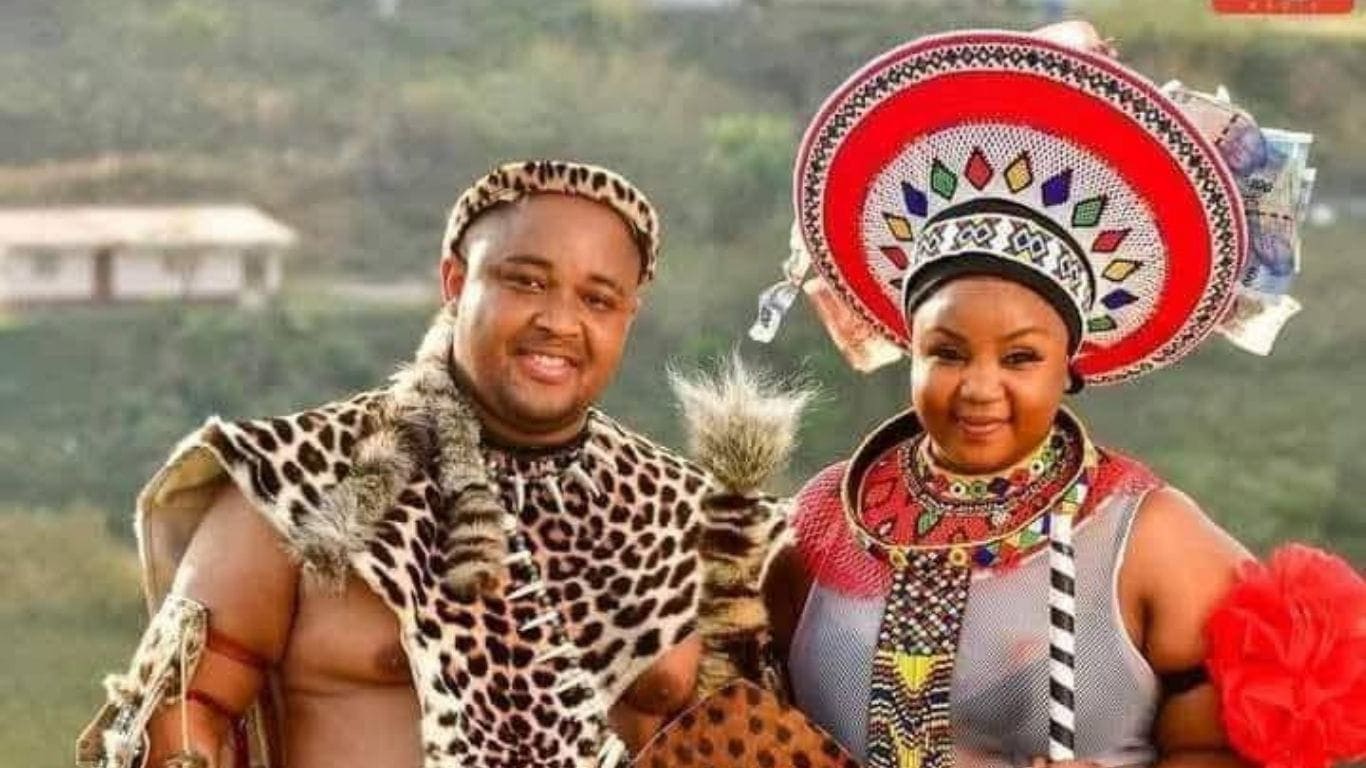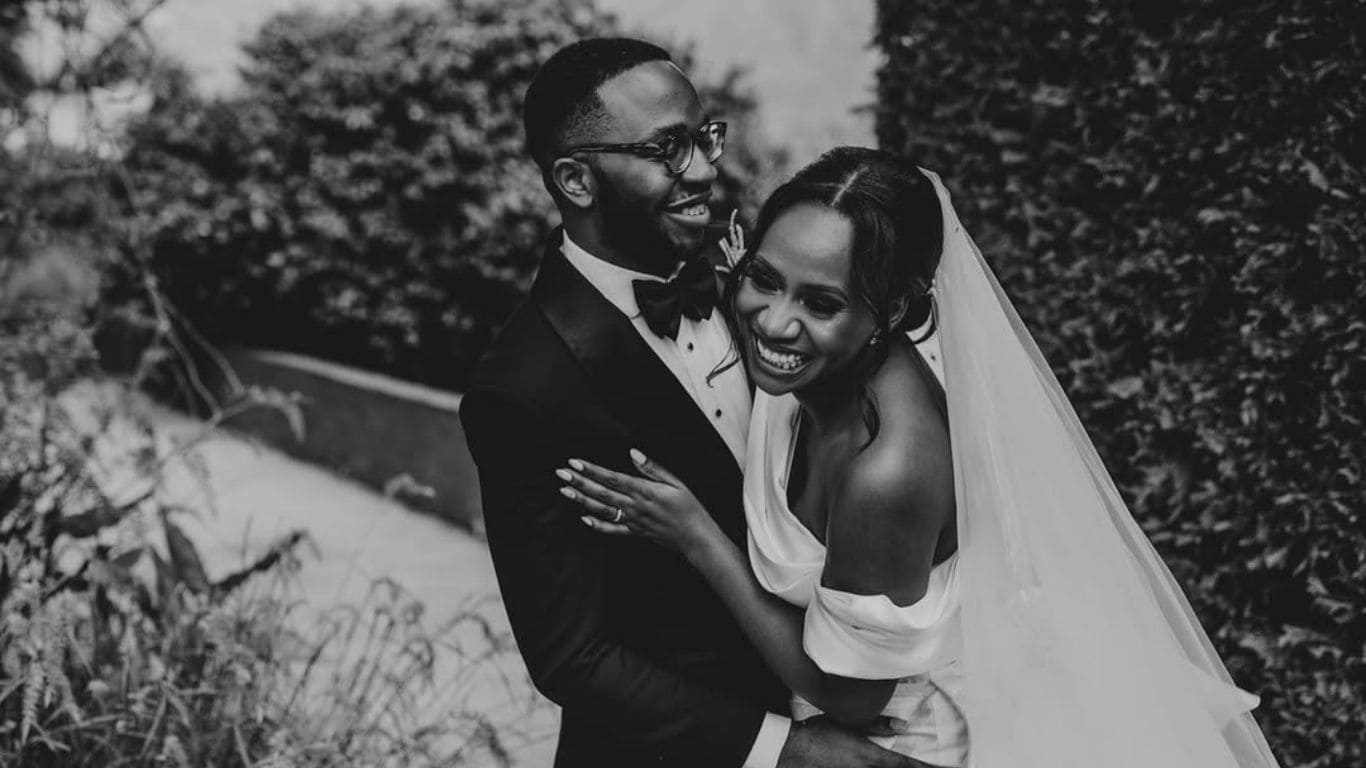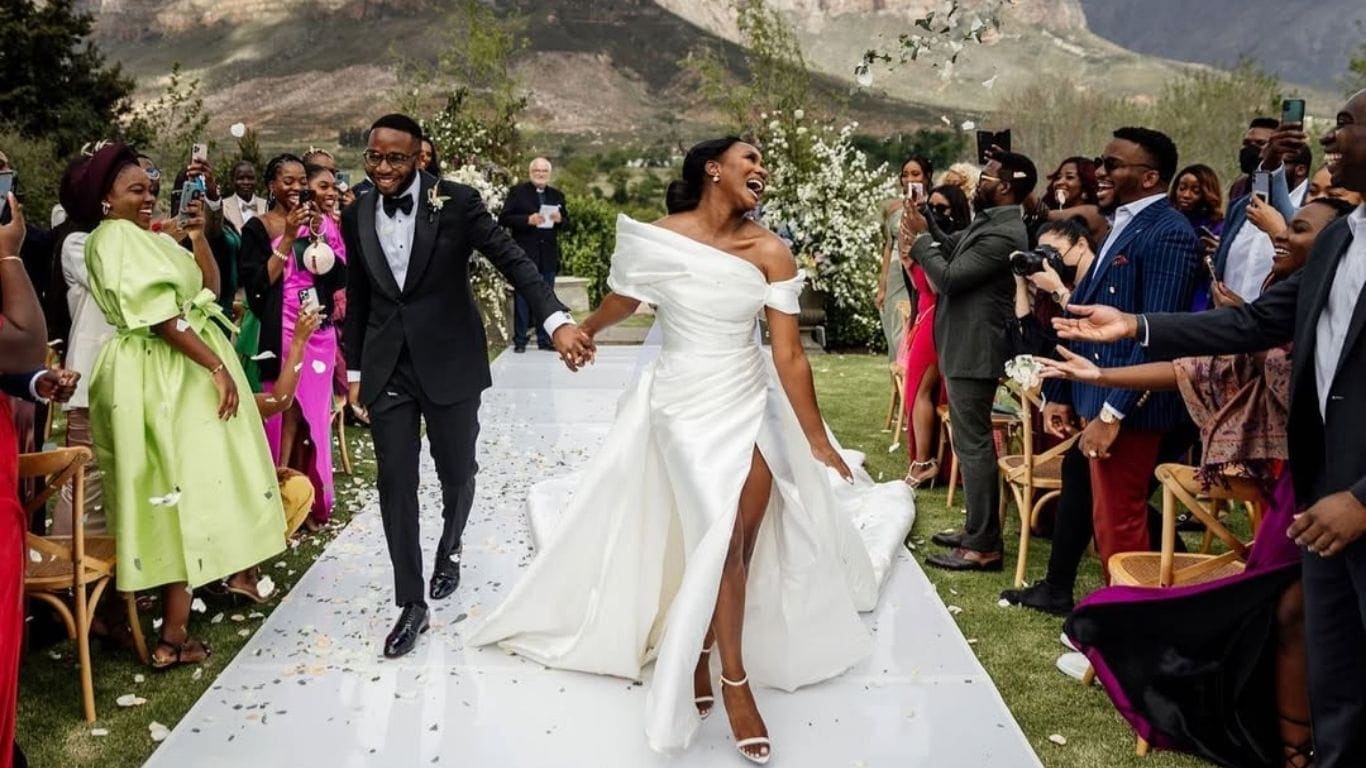
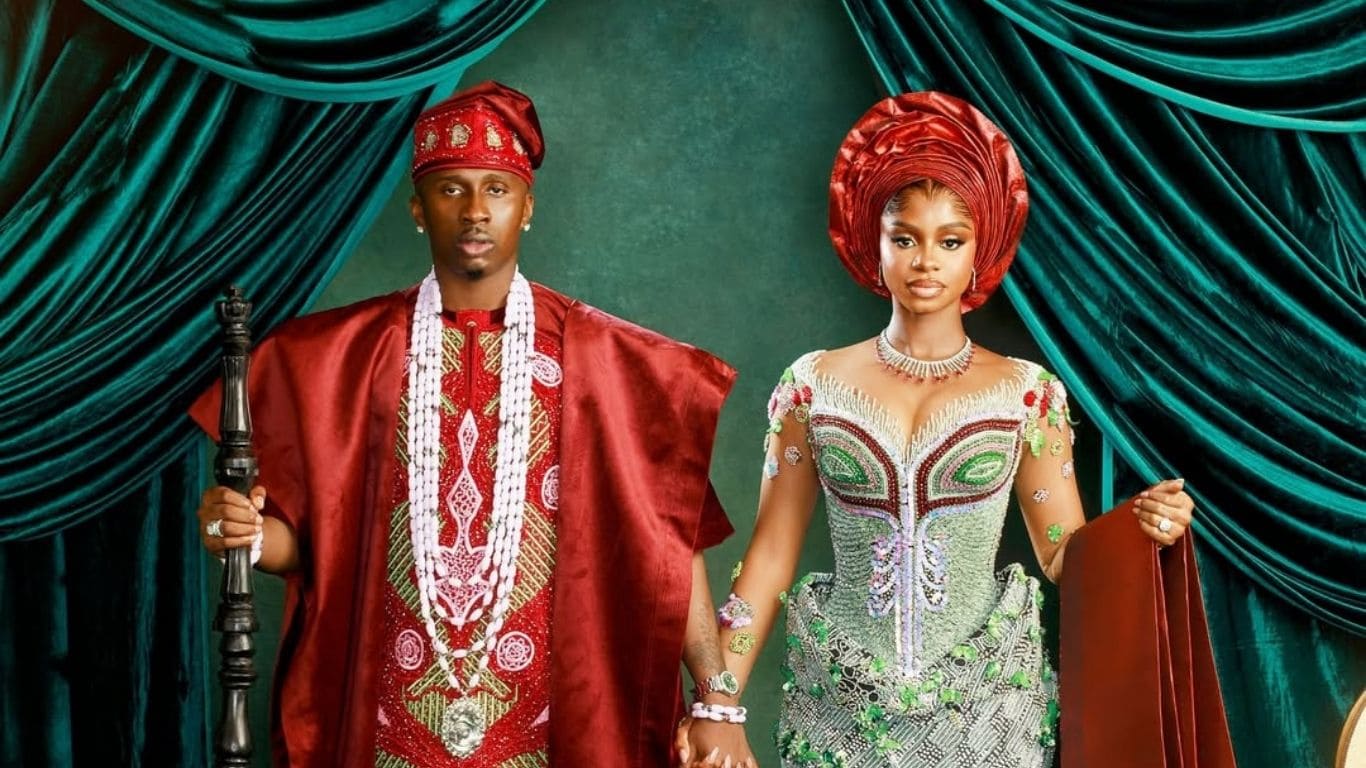
Coming to a Nigerian wedding for the first time? This guide walks you through what Yoruba, Igbo, Edo, and Hausa-Fulani couples and guests traditionally wear.
Nigerian weddings are rarely about a single outfit. They’re layered, symbolic, and deeply tied to culture, family, and celebration. From richly styled traditional ceremonies to white weddings inspired by global fashion, what people wear is just as important as the vows themselves.
Across the country, wedding attire reflects centuries-old Nigerian wedding traditions, shaped by ethnic identity, craftsmanship, and meaning. Brides and grooms often work closely with traditional bridal designers to create looks rooted in culture, while white wedding outfits may draw inspiration from international wedding dress designers and modern bridal fashion. The result is a wedding experience where heritage and contemporary style exist side by side.
For guests, the variety can feel overwhelming at first. What’s appropriate depends on the ceremony, your role, and sometimes the couple’s cultural background. For couples, it’s about honoring tradition while still expressing personal style.
To make sense of it all, it helps to start with the big picture. Before breaking down outfits by culture, role, and ceremony, here’s what Nigerian wedding attire typically looks like across traditional and white weddings.
What Nigerian Wedding Attire Typically Looks Like Across Traditional and White Weddings
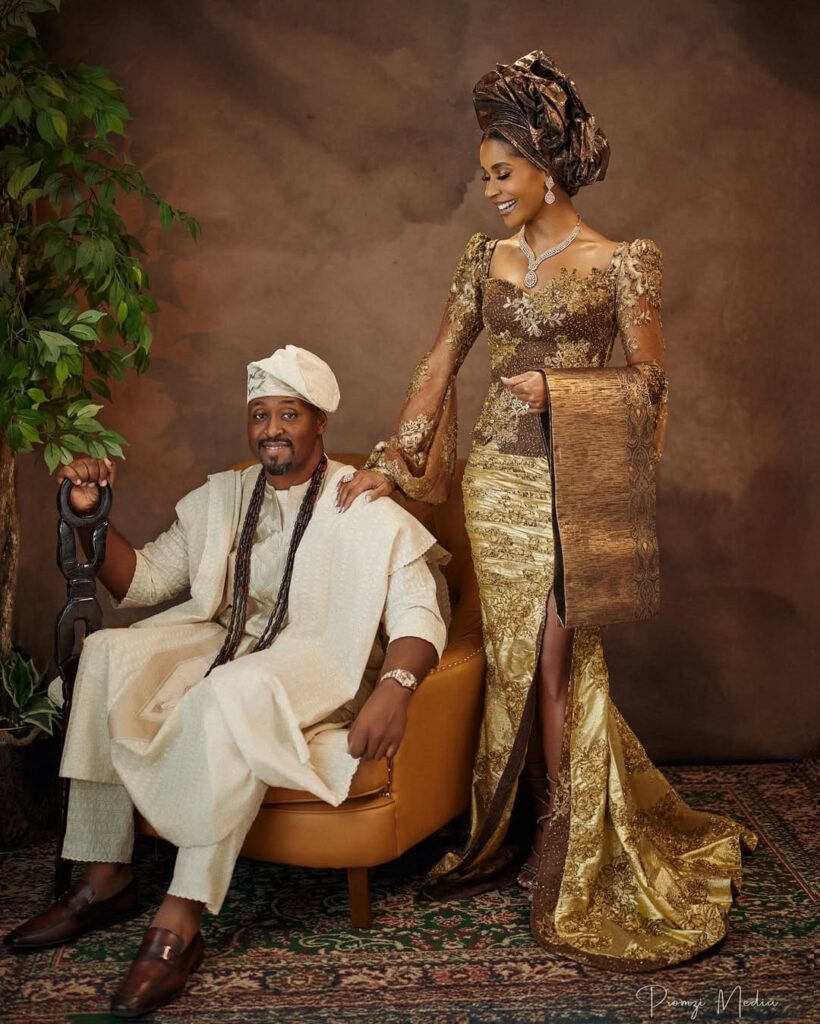
At first glance, Nigerian wedding attire feels like a beautiful puzzle. No two wedding dresses are the same, yet certain patterns always show up. Clothing is used to signal family ties, cultural roots, and the role each person plays in the celebration.
For traditional ceremonies, coordinated dressing is a big part of the experience. Couples often select a shared fabric or visual theme that connects relatives, close friends, and the wedding party. Everyone interprets it in their own way, through tailoring, styling, and accessories, but the shared base creates a strong sense of unity. Guests who are not part of that inner circle usually follow an agreed color palette, which helps the room look intentional without forcing everyone into identical outfits.
These choices shift depending on the type of ceremony. Introductions and traditional marriages often separate colors by family, while white weddings tend to lean toward a single palette that brings both sides together. Either way, clothing becomes a quiet language that tells you who belongs where.
Across both traditional and white weddings, a few elements appear again and again. Women’s outfits are built around structured blouses, wrapped fabrics, and sculpted headpieces, often finished with bold jewelry. Men wear flowing ceremonial robes or tailored ensembles paired with distinctive caps and cultural accessories. Handwoven textiles, lace, silk, and richly embellished fabrics dominate, turning weddings into a showcase of craftsmanship and personal style.
Understanding this overall rhythm makes everything else easier. Once you know how colors, fabrics, and roles work together, the individual outfits worn by brides, grooms, wedding parties, and guests start to make perfect sense.
@authentic_traveling All the outfits necessary for a Yoruba wedding #nigeria #wedding #yorubawedding #yorubawedding ♬ love nwantinti (ah ah ah) – CKay
Traditional Wedding Outfits in Nigeria
Traditional Nigerian weddings are where culture shows up fully dressed. Every outfit carries meaning tied to family, heritage, and status. While styles vary across ethnic groups, one thing stays consistent: clothing is intentional, coordinated, and never accidental. Couples often change outfits more than once, and guests dress with just as much care as the bride and groom.
What Traditional Wedding Attire Looks Like for the Couple
At a traditional ceremony, the couple leads the visual story of the day. Their outfits are chosen to represent their ethnic background, reflect family pride, and set the tone for everyone else attending. Fabrics are rich, colors are bold, and accessories are just as important as the garments themselves. It’s common for couples to match or complement each other closely, creating a unified look that’s instantly recognizable.
Traditional Wedding Looks for Nigerian Brides
General Bridal Look Overview
A Nigerian bride’s traditional look is expressive and symbolic. Outfits are often custom-made and designed to stand out, combining structured blouses, wrapped skirts, flowing gowns, or tailored dresses, depending on culture and personal taste. Jewelry is rarely subtle. Beads, headpieces, and layered accessories signal celebration, femininity, and status. Multiple outfit changes are also common, especially in ceremonies that last several hours.
Bridal Attire by Ethnic Group
Igbo Traditional Wedding Attire
Igbo bridal fashion is known for its drama and elegance. Brides usually change outfits two or three times during the ceremony, each look marking a different moment in the celebration. Early outfits often feature culturally significant fabrics styled with elaborate coral bead jewelry. As the event progresses, brides may switch into more intricate gowns that blend tradition with modern tailoring. Red, gold, and warm jewel tones dominate, while coral beads worn on the neck, wrists, and hair symbolize royalty, fertility, and family heritage.
Yoruba Traditional Wedding Dress
Yoruba bridal attire is rich in detail and craftsmanship. Brides traditionally wear coordinated pieces cut from handwoven fabric, styled with a sculpted headwrap and a sash draped across the shoulder. Color coordination matters deeply, especially in relation to the groom’s outfit. While many brides embrace the full traditional set, others opt for a single floor-length dress that still honors Yoruba fabrics and symbolism. Regardless of style, the look is bold, regal, and unmistakably celebratory.
Edo Traditional Wedding Dress
Edo bridal attire is instantly recognizable for its royal influence and striking use of coral beads. Brides typically wear a richly wrapped skirt paired with a fitted blouse, heavily styled with layers of coral bead necklaces, bracelets, and a beaded crown or headpiece. The fabrics are often bold and luxurious, chosen to complement the bride’s status and family heritage. Every element, from the beads to the silhouette, is designed to project dignity, tradition, and quiet authority.
Hausa-Fulani Traditional Wedding Dress
Hausa-Fulani bridal attire leans toward refined elegance and modesty. Brides typically wear long, flowing dresses with detailed embroidery and soft color palettes. Head coverings are styled neatly, reflecting cultural and religious values. Jewelry is understated, allowing the craftsmanship of the fabric and tailoring to take center stage. One of the most distinctive elements is the use of henna, carefully applied to the bride’s hands and feet as part of the wedding ritual.
Traditional Wedding Looks for Nigerian Grooms
The groom’s dress is to match the weight of the occasion. Outfits often feature flowing robes, structured tops, or layered ensembles, depending on ethnicity. Caps, hats, beads, and walking sticks are common accessories, each carrying cultural meaning. Colors are carefully chosen to align with the bride’s attire, reinforcing unity. Like brides, grooms may also change outfits during the celebration, moving from strictly traditional to more contemporary styles as the event unfolds.
Traditional Wedding Attire for the Wedding Party
Bridesmaids’ Traditional Outfits
Bridesmaids usually wear coordinated fabrics selected by the couple. While everyone uses the same base material, individual styling allows each person to personalize their look. Headwraps, jewelry, and tailoring vary, creating a balanced mix of unity and individuality.
Groomsmen’s Traditional Outfits
Groomsmen are typically dressed in matching or closely coordinated outfits. Robes, tunics, or tailored pieces are chosen to complement the groom without overshadowing him. Accessories are kept consistent to maintain a polished group appearance.
What Parents of the Couple Typically Wear
Parents often wear elevated versions of the chosen family fabric. Their outfits are more elaborate, featuring richer textures, heavier embroidery, and statement accessories. This distinction reflects their role and status within the ceremony.
What Guests Wear to a Traditional Nigerian Wedding
Guests are expected to dress with intention. Many are assigned specific fabrics or colors that signal their connection to the bride or groom. Those without assigned attire usually follow a designated color theme to blend seamlessly into the celebration. Both traditional wear and formal Western outfits are acceptable, as long as the look is polished and respectful. At Nigerian weddings, effort is admired, and dressing boldly is often encouraged.
White Wedding Attire at Nigerian Weddings
After the traditional ceremony, many Nigerian couples celebrate with a Western-style wedding, giving the bride and groom the chance to step into formal attire that contrasts yet complements the vibrant traditional looks. This transition can feel like a whole new chapter of the celebration, allowing more flexibility in style while maintaining elegance and cohesion. White wedding attire blends modern bridal fashion with subtle nods to Nigerian heritage, giving couples a way to honor both culture and personal taste.
What the Couple Typically Wears
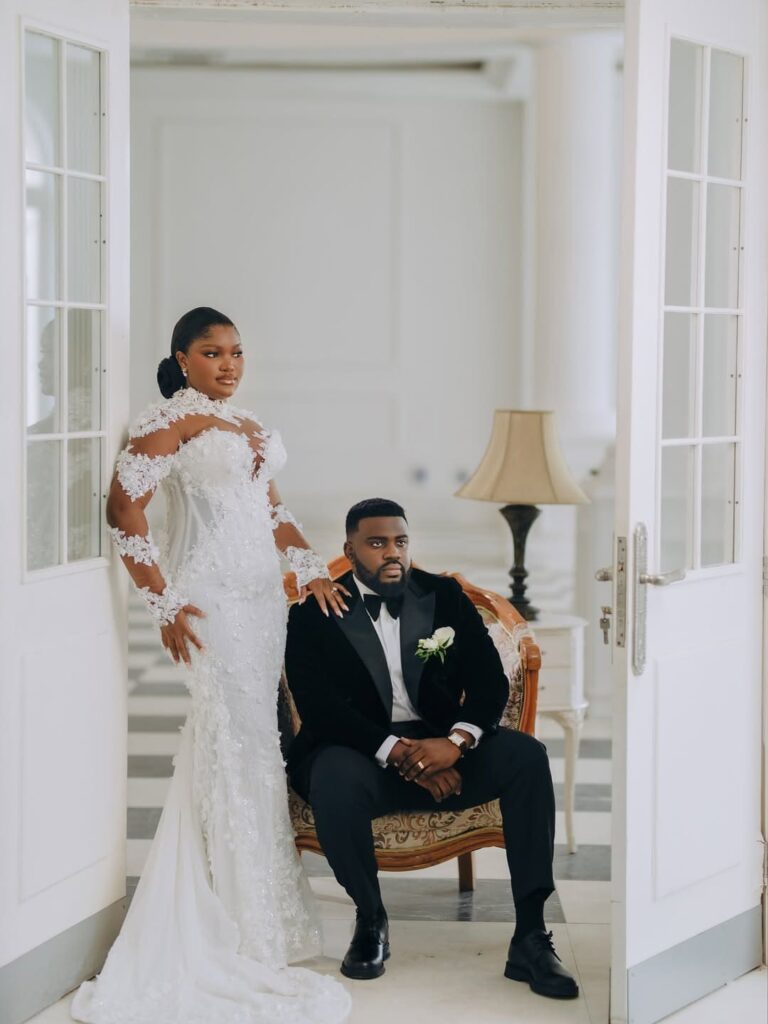
For a white wedding, the focus is on polished, coordinated elegance. Brides usually wear a white gown, while grooms don a suit or tuxedo. The couple often chooses styles and colors that complement each other, ensuring they look united while standing out as the center of attention. Fabrics, tailoring, and small cultural details are carefully considered, from lace trims that reference Nigerian craftsmanship to subtle accessories inspired by traditional jewelry. This balance sets the tone for the wedding party and guests, making the ceremony feel cohesive yet distinct from the traditional wedding that preceded it.
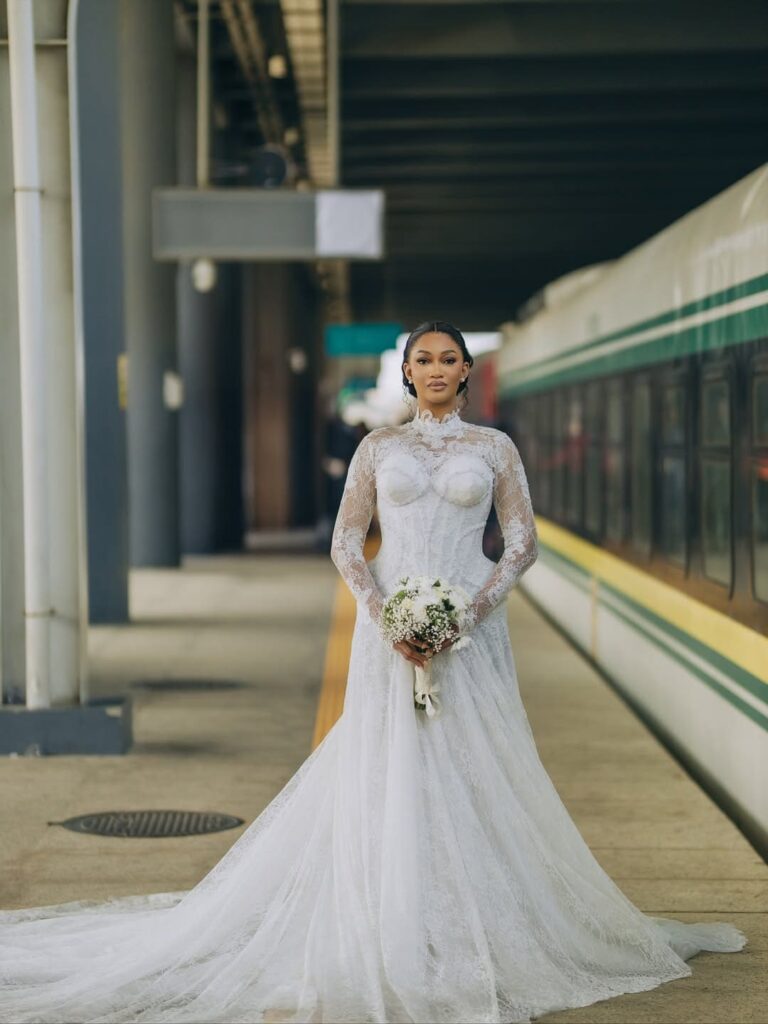
White Wedding Dresses for Nigerian Brides
White wedding gowns for Nigerian brides range from classic to statement-making designs. Many opt for full-length, flowing gowns with traditional silhouettes like ball gowns, mermaid cuts, or A-line dresses. Modern brides often add Nigerian-inspired touches, such as lace appliqués, beadwork, or an aso oke sash draped over the shoulder, infusing heritage into contemporary fashion.
Brides may also plan a second or reception outfit, which can be more daring, form-fitting, or embellished, allowing them to dance, mingle, and celebrate comfortably while still looking glamorous. Designers like Veekee James and other Nigerian bridal stylists are popular choices for statement gowns that turn heads while keeping cultural identity in mind. Some brides choose to explore international wedding dress designers, bringing global trends into the mix while customizing their look to suit personality and comfort.
The overall aim is a gown that reflects personal style while maintaining sophistication. Fabrics are often rich and structured to create dramatic silhouettes, while accessories such as veils, hairpieces, or subtle jewelry complete the look. Every choice is deliberate, ensuring the bride shines throughout the ceremony and reception.
White Wedding Attire for Nigerian Grooms
Grooms at white weddings typically wear tailored suits or tuxedos. The choice between a suit and a tuxedo often depends on the formality of the venue and the couple’s overall theme. Classic black or navy are popular, though some grooms embrace deep jewel tones or lighter neutrals to coordinate with the bride’s gown and the wedding palette.
Details such as cufflinks, pocket squares, ties, and shoes are carefully selected to align with the bride’s attire. Some grooms choose subtle cultural accents, like embroidered motifs or a custom lapel pin, echoing traditional Nigerian patterns in a contemporary setting. Just like brides, grooms may have more than one outfit for the day, moving from ceremony to reception in a look that balances elegance with comfort.
White Wedding Attire for the Wedding Party and Guests
The wedding party’s attire is designed to complement the couple’s look while distinguishing bridesmaids and groomsmen from guests. Bridesmaids often wear gowns in the chosen wedding palette, tailored to fit individual body types while maintaining a cohesive aesthetic. Groomsmen typically wear matching suits or tuxedos, sometimes accented with ties or pocket squares that reflect the wedding colors.
Guests are expected to dress formally, showing respect for the couple and the occasion. Evening gowns, cocktail dresses, or tailored suits are standard, with an emphasis on elegance rather than drawing attention away from the bride. White is generally avoided by guests to keep the bride as the centerpiece, while overly casual outfits are considered inappropriate. Paying attention to the dress code allows guests to celebrate comfortably while blending seamlessly into the overall look of the wedding.
Final Thoughts
Nigerian weddings are a celebration of culture, style, and personality. From the vivid colors and intricate designs of traditional ceremonies to the elegance and modern flair of white weddings, every outfit tells a story. Couples, wedding parties, and guests all play a role in creating a visually stunning and meaningful experience.
Understanding the rhythms of Nigerian wedding attire, how fabrics, colors, and accessories reflect heritage and status, helps you feel confident and prepared, whether you are attending as a guest, part of the wedding party, or the bride or groom yourself. Respecting traditions while embracing personal style ensures that every look fits seamlessly into the celebration.
At the end of the day, Nigerian weddings are about joy, family, and community. Clothing is a way to honor that spirit, celebrate identity, and create memories that are as vibrant as the event itself.
Frequently Asked Questions
1. What not to wear to a Nigerian wedding?
Avoid casual clothing, anything too revealing, and white as a guest. Overly simple outfits can seem disrespectful, while white is reserved for the bride. Bold, polished, and culturally aware attire is always appreciated. Black, on the other hand, is usually avoided in African weddings; however, in more modern times, many African weddings are bucking tradition, and even the wedding party can be seen in black clothing.
2. Can guests wear white to a Nigerian wedding?
No. White is traditionally reserved for the bride. Guests should choose colors that complement the theme or follow the designated “color of the day” if assigned by the couple.
3. Is aso ebi compulsory?
Aso ebi is not mandatory for all guests, but it is expected for close family and friends. It signals unity and respect for the couple, though outsiders may simply follow the dress code or color theme provided.
4. What is a traditional Nigerian wedding dress?
A traditional Nigerian wedding dress varies by ethnic group but often includes a structured blouse, wrapper or skirt, headwrap (gele), and statement accessories like beads or embroidery. Fabrics are rich, and colors are vibrant, often coordinated with the groom’s outfit.
5. What do guests wear to Nigerian weddings?
Guests wear elegant traditional attire or formal Western outfits, depending on the ceremony. Coordinated colors, polished styling, and cultural awareness are key. Women often wear headwraps, and men may wear embroidered tunics or suits.
6. How many outfits does a Nigerian bride wear?
Typically two to three. One outfit is worn for the traditional ceremony, another for the white wedding, and sometimes a third for the reception or dancing portion. Each outfit may reflect a different aspect of culture or personal style.
7. What do the colors mean in Nigerian weddings?
Colors symbolize family affiliation, celebration, and cultural identity. For traditional weddings, the bride and groom often assign separate colors to each family. In white weddings, a single palette is usually chosen to unify the look of the couple and guests.
8. What should foreigners wear to a Nigerian wedding?
Foreign guests should dress formally, respecting the chosen colors or dress code. Elegant dresses, suits, and polished accessories are appropriate. Avoid white, casual clothing, or anything that could clash with the vibrant traditional attire.
9. Are traditional outfits required for the white wedding?
No. White weddings are more flexible, allowing modern gowns, tuxedos, and contemporary styles. Some brides add Nigerian touches like lace or beaded accents, but guests are generally expected to wear formal Western attire.
10. What is a gele in Nigeria?
A gele is an elaborate headwrap worn by women at Nigerian weddings. It can be sculpted, layered, or tied dramatically to complement the outfit, signaling elegance, cultural pride, and celebration.