Getting legally married in Nigeria? Here’s a clear breakdown of the documents, registries, timelines, and online steps for both Nigerians and foreign couples.
Nigeria has quietly become one of the most compelling places to get married. For Nigerians at home, Nigerians in the diaspora, and even foreign couples looking for something rich in culture and meaning, the country offers more than just a venue; it offers an experience.
From beachfront ceremonies and serene garden settings to historic registries and vibrant city backdrops, Nigeria gives couples options that feel personal, celebratory, and deeply rooted in tradition.
What makes weddings here especially memorable is the culture woven into them. The colors. The music. The food. The customs that bring families together and turn a single day into a shared story. Whether it’s a quiet civil ceremony, a traditional rite that honors heritage, or a modern celebration blending both, getting married in Nigeria often feels intentional in a way that’s hard to replicate elsewhere.
But once the excitement settles, reality kicks in.
Many couples, especially those planning from abroad or navigating the process for the first time, quickly run into confusion. Marriage registry or court wedding? Certificate or license? Federal or state registry? Can parts of the process be done online? And most importantly, what actually makes a marriage legal in Nigeria, especially if one or both partners are foreign?
This is where things often feel unnecessarily complicated, not because the process is impossible, but because clear information is scattered, inconsistent, or outdated.
This guide breaks everything down calmly and clearly. It explains what makes a marriage legal in Nigeria, who can get married, where legal marriages are conducted, what documents are required, how the registry process works step by step, and what both Nigerian and foreign couples need to know to avoid delays or mistakes.
Why You Need a Marriage Certificate in Nigeria
A wedding can be loud, quiet, traditional, modern, or deeply personal. But when the music stops, and the guests go home, the marriage certificate is what speaks for you in the real world.
In Nigeria, this document is more than paper. It is the difference between “we are married” and “we can prove we are married.” And that difference matters more often than most couples expect. Here’s why.
1. Proof That Your Marriage Exists
Families may know. Friends may remember. Photos may circulate.
None of that counts legally.
A marriage certificate is the official record that your union exists under Nigerian law. When questions come up later, and they often do, this is the document that answers them without argument.
2. Immigration, Visas, and International Travel
This is where most couples realize how important the certificate is.
Spousal visas, residency permits, relocation applications, embassy interviews. All of them ask one simple question: Can you prove this marriage is legal?
Without a recognized certificate, the process stalls. With it, doors open.
3. Name Change and Identity Updates
Changing a surname after marriage is not automatic. Banks, passport offices, national ID agencies, and employers all ask for evidence.
The marriage certificate is what allows your new name to exist officially across records, documents, and systems.
4. Banking, Insurance, and Inheritance
Joint accounts. Beneficiaries. Insurance claims. Property ownership. Inheritance.
When life moves forward, or when something unexpected happens, institutions rely on documentation, not explanations. A marriage certificate protects both spouses and prevents unnecessary disputes during sensitive moments.
5. Recognition Beyond Nigeria
If your life, work, or future may cross borders, your marriage needs to travel with you.
Statutory marriage certificates issued through recognized registries are accepted by foreign governments, embassies, and international institutions. This global recognition is something religious or customary ceremonies alone cannot always provide.
What Makes a Marriage Legal in Nigeria
Here’s the thing. In Nigeria, getting married and being legally married are not always the same thing.
You can have the most beautiful wedding. Big guest list, live band, multiple outfit changes, and traditions done properly. But if the legal side isn’t handled, the marriage may not exist in the eyes of the law. That’s where most of the confusion comes from.
Nigeria recognizes different forms of marriage, but only some automatically carry legal weight, especially outside the country. What makes a marriage legal depends on how you marry, where it’s registered, and whether the right authority issues a certificate.
Let’s break it down simply.
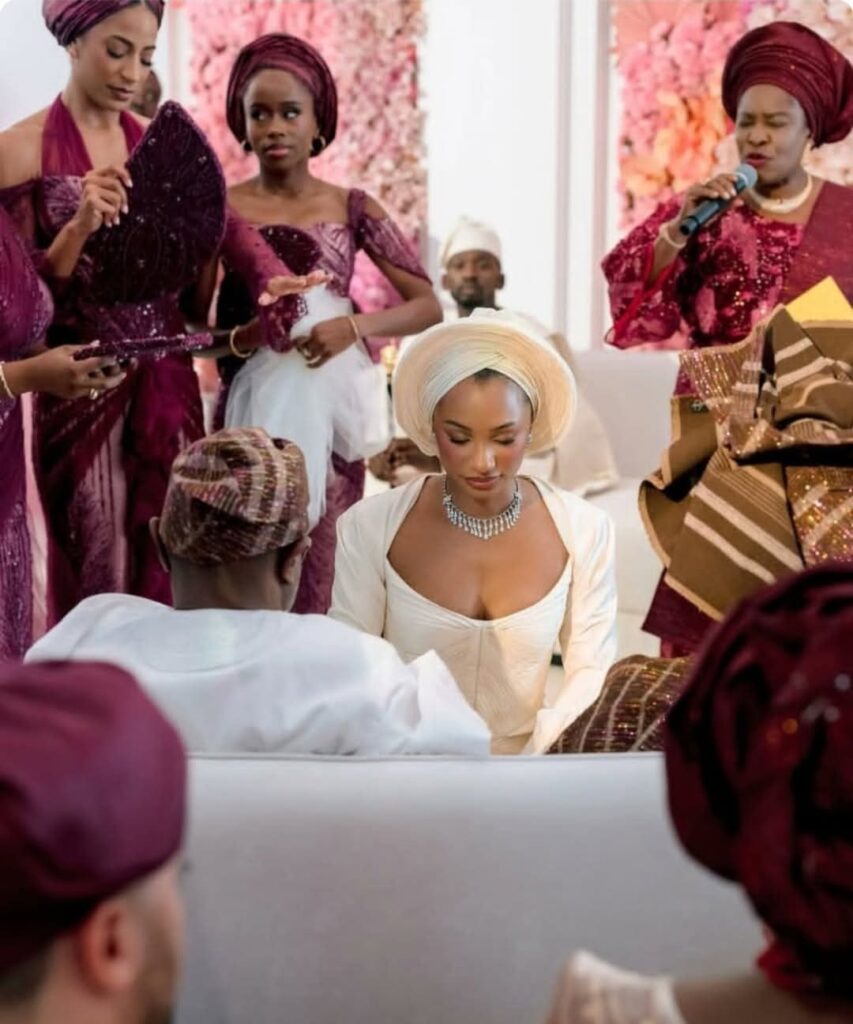
The Four Types of Marriage Recognized in Nigeria
Nigeria’s legal system recognizes four main types of marriage. All are valid in their own way, but they don’t all offer the same level of legal protection or international recognition.
1. Statutory Marriage (Registry or Court Marriage)
This is the gold standard when it comes to legality.
A statutory marriage is conducted under Nigeria’s Marriage Act, CAP M6, Laws of the Federation of Nigeria (2004), and is carried out by a licensed marriage registrar, usually at a Federal or State Marriage Registry or at an approved place of worship.
This is the type of marriage that embassies, immigration offices, and foreign governments recognize without hesitation.
What makes it legally solid
- It is strictly monogamous.
- A formal notice of intention to marry is required.
- The ceremony happens in front of a licensed registrar and witnesses.
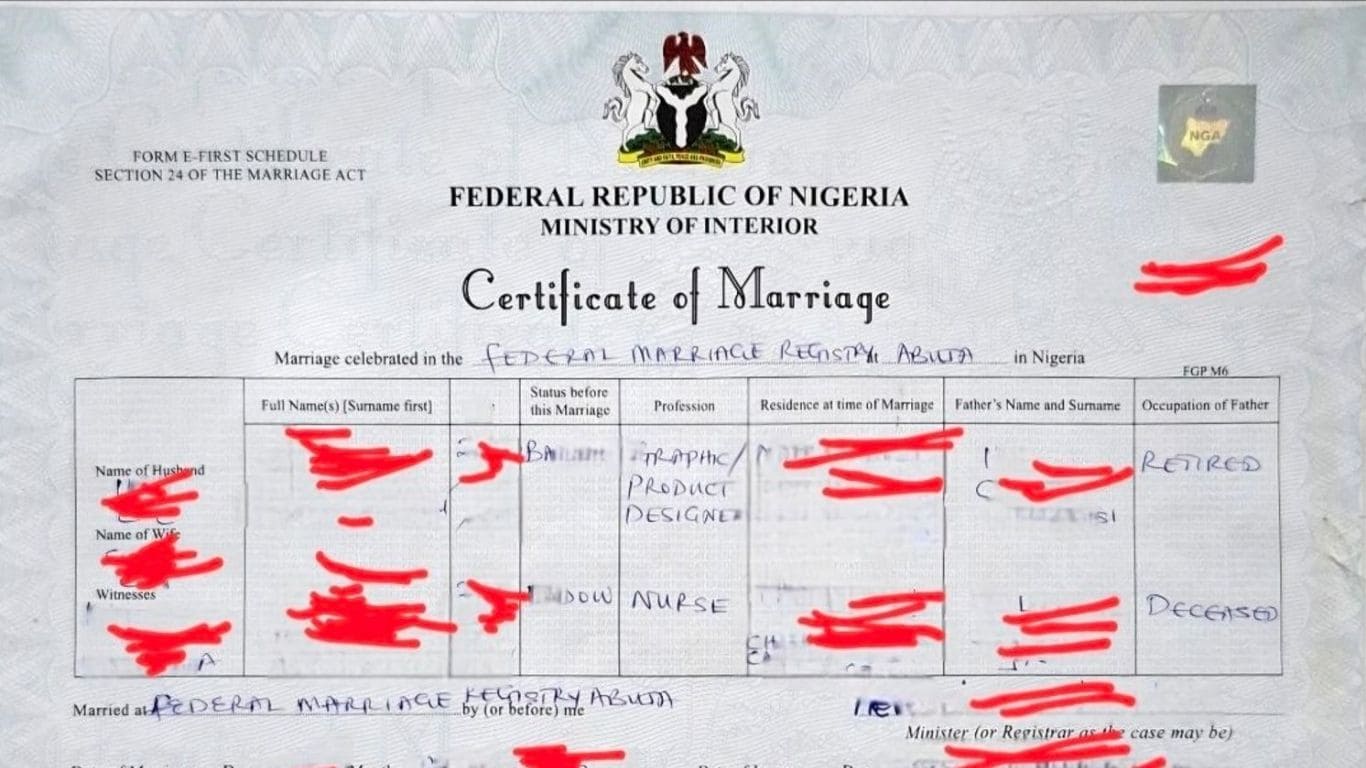
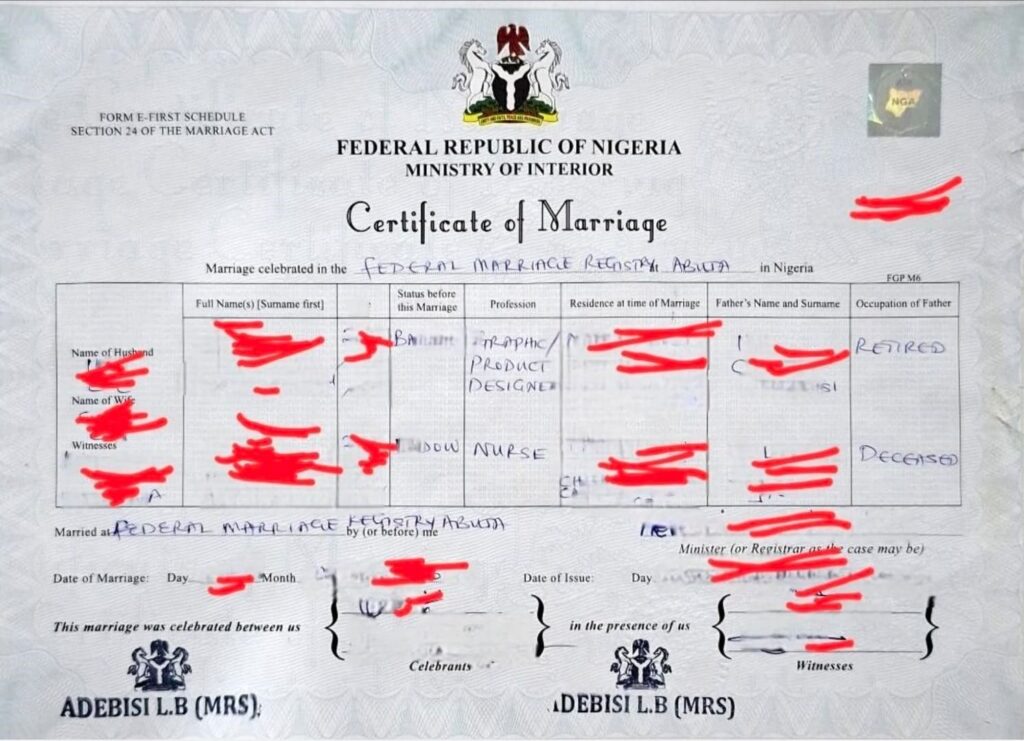
- A government-issued marriage certificate is produced.
There are two categories:
- Ordinary Marriage: both partners are Nigerians.
- Special Marriage: one Nigerian and one non-Nigerian, or two non-Nigerians marrying in Nigeria.
If your plans involve visas, relocation, dual citizenship, name changes abroad, or international paperwork of any kind, this is usually the safest route.
2. Customary Marriage (Traditional Marriage)
This is the marriage rooted in culture and family.
Customary marriages are conducted according to ethnic traditions. Think of bride price, family introductions, rites, and ceremonies that differ across regions.
They are legally recognized under customary law, but only if they are properly registered with the local government authority.
Key things to know
- It can be polygamous, depending on the culture.
- Family consent is central.
- Registration is required for legal proof.
- The certificate issued applies under customary law, not the Marriage Act.
Customary marriage certificates may not always be accepted internationally unless additional legal steps are taken.
3. Islamic Marriage (Nikah)
Islamic marriages are conducted under Islamic law and are recognized in states where Sharia law operates.
What defines it
- Conducted by an Imam or Islamic authority.
- Witnesses are required.
- A dowry (mahr) is paid.
- Polygamy is permitted within Islamic rules.
For it to carry legal weight beyond religious recognition, it must be registered with the appropriate Islamic or local government authority. Without registration, proving the marriage legally can become difficult.
4. Church Marriage
This is where many couples get tripped up.
A church wedding is a religious ceremony. On its own, it does not automatically create a legal marriage under Nigerian law.
What makes it legal is registration.
If the church is licensed to conduct statutory marriages and the marriage is registered with the government, then it carries the same legal weight as a registry marriage. If not, it remains a purely religious union.
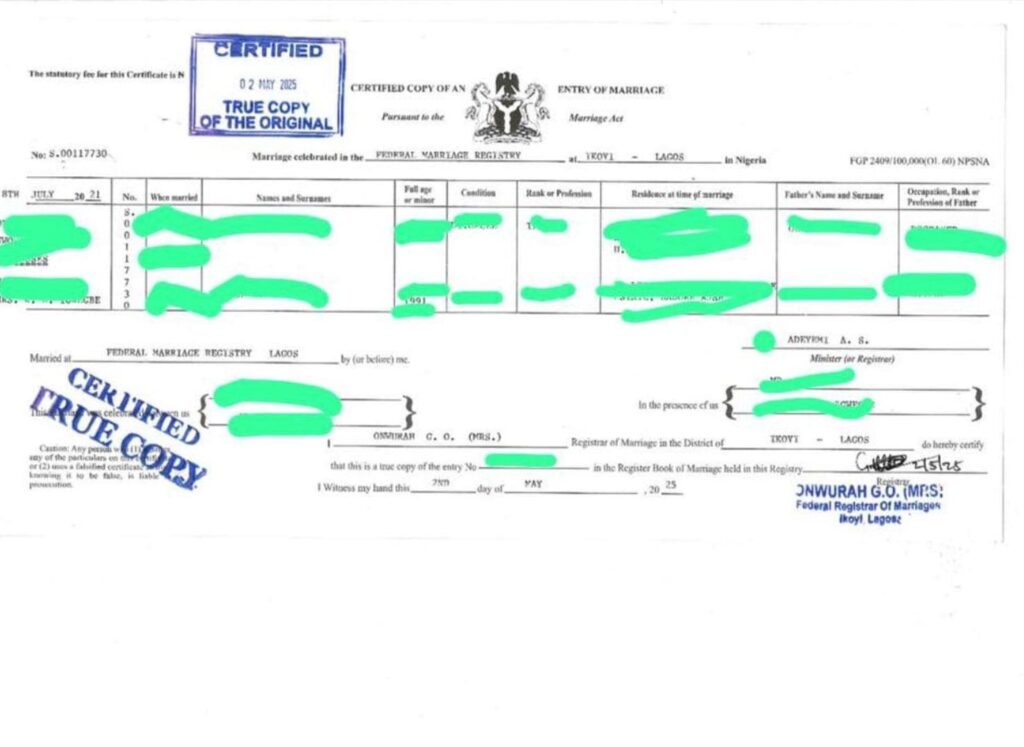
@authentic_traveling The legal federal way to get married in Nigeria is very interesting #nigeria #marriage #lagos #nigerianwedding ♬ original sound - Chris - Authentic Traveling
So, What Actually Makes a Marriage Legal?
A marriage in Nigeria is considered legally valid when:
- It is conducted under a recognized legal framework.
- The correct authority oversees or registers it.
- A valid marriage certificate is issued by that authority.
In practical terms:
- Statutory marriage certificates are the most widely accepted.
- Customary and Islamic marriages must be registered to have legal backing.
- Religious ceremonies alone are not enough unless officially registered.
Legal Conditions for a Valid Marriage in Nigeria
Regardless of the type of marriage, these conditions apply:
- Both people must be at least 18 years old.
- Both must freely consent.
- Both must be mentally competent.
- Neither person can be legally married under a monogamous system.
- The couple must not be closely related under prohibited degrees of relationship.
- At least one partner must be Nigerian, or both must be legally resident non-Nigerians marrying under a Special Marriage.
Why This Distinction Matters
This isn’t just paperwork.
The type of marriage you choose affects:
- Immigration and visa approvals
- Inheritance rights
- Property ownership
- Child legitimacy and custody
- Access to spousal benefits
- Recognition outside Nigeria
Understanding what makes a marriage legal in Nigeria helps you avoid expensive mistakes, emotional stress, and last-minute panic when documents are suddenly required.
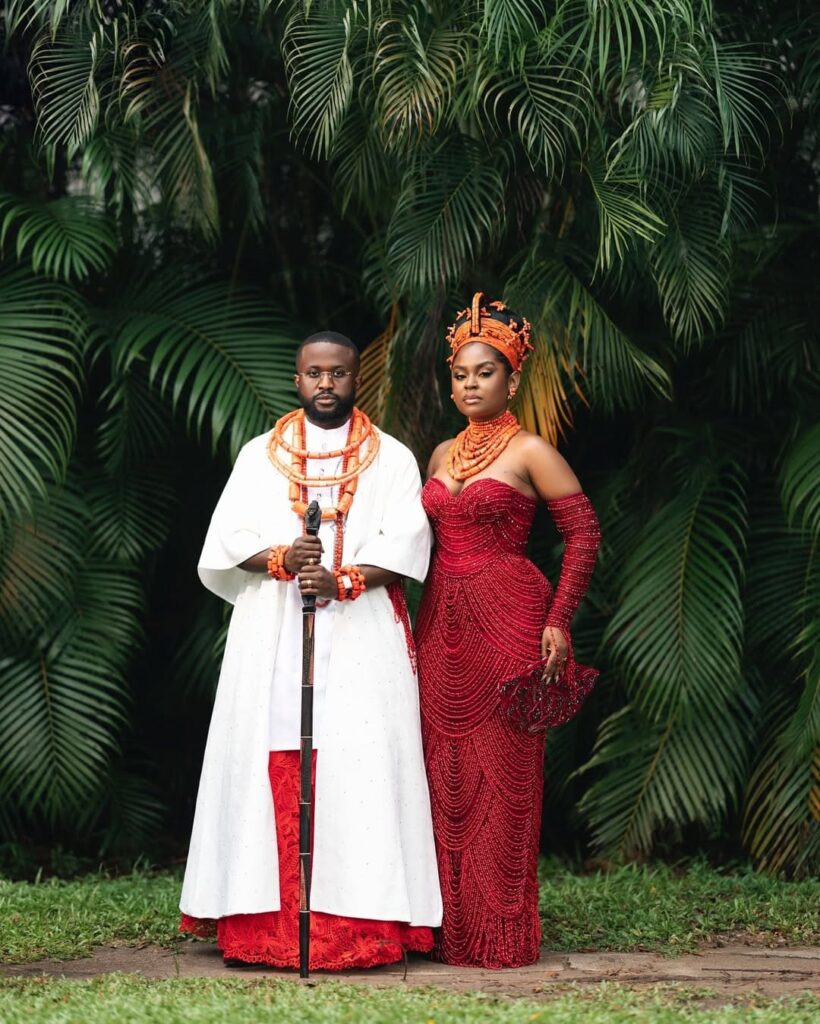
Where You Can Legally Get Married in Nigeria
In Nigeria, a marriage is only considered legally valid when it is conducted or registered through an authority recognized by law. This means not every beautiful ceremony, church altar, mosque, or family compound automatically produces a legal marriage. The location and the authority behind the ceremony matter just as much as the vows themselves.
Then go into the actual places.
1. Federal Marriage Registries (Statutory Marriages)
These are the most widely recognized locations for legal marriages in Nigeria, especially for couples who may need international recognition.
- Operated by the Ministry of Interior
- Handle both ordinary marriages and special marriages
- Issue government-backed marriage certificates
- Common choice for Nigerians, Nigerians in the diaspora, and foreign couples
This is where registry marriages, court-style ceremonies, and most official documentation come from.
2. State and Local Government Marriage Registries
Some states and local governments operate their own registries.
- Recognized under Nigerian law for statutory marriages
- Usually serve residents of that state or local government
- Processes may vary slightly by location
While valid, certificates from federal registries are often preferred for international use.
3. Licensed Places of Worship (Churches and Mosques)
A marriage conducted in a church or mosque can be legally valid only if the place of worship is licensed under the Marriage Act.
- The officiating minister or imam must be registered
- The marriage must be properly recorded and registered
- The certificate must be issued through the appropriate registry
Without registration, the ceremony remains religious, not legal.
4. Customary Marriage Registration Offices
Traditional marriages become legally recognized when registered with the appropriate local authority.
- Conducted according to ethnic customs
- Registered at local government offices
- Certificate reflects customary law, not statutory law
This is legally valid within Nigeria but may not be accepted internationally.
5. Islamic Marriage Registration Authorities
In states where Islamic law is practiced, marriages conducted under Islamic rites can be registered through recognized Islamic authorities or local governments.
- Must follow Islamic legal requirements
- Registration is essential for documentation
- Certificate confirms the marriage under Islamic law
Again, registration is what turns the ceremony into a legal record.
A marriage becomes legal in Nigeria not just because it was celebrated, but because it was conducted or registered through a legally recognized authority. Where you marry determines the type of certificate you receive and how widely it will be recognized.

Who Can Get Married at a Nigerian Marriage Registry?
Eligibility is straightforward but important to clarify:
- Nigerians marrying Nigerians – Ordinary Marriage under the Marriage Act.
- Nigerian marrying a foreigner – Special Marriage recognized legally in Nigeria.
- Two foreigners marrying in Nigeria – Also considered a Special Marriage.
Age and Marital Status Requirements: Both parties must be at least 18, mentally competent, not married to others, and free from prohibited degrees of relationship (no close blood or in-law relations).
This early clarification prevents confusion and ensures couples understand where they fit legally.
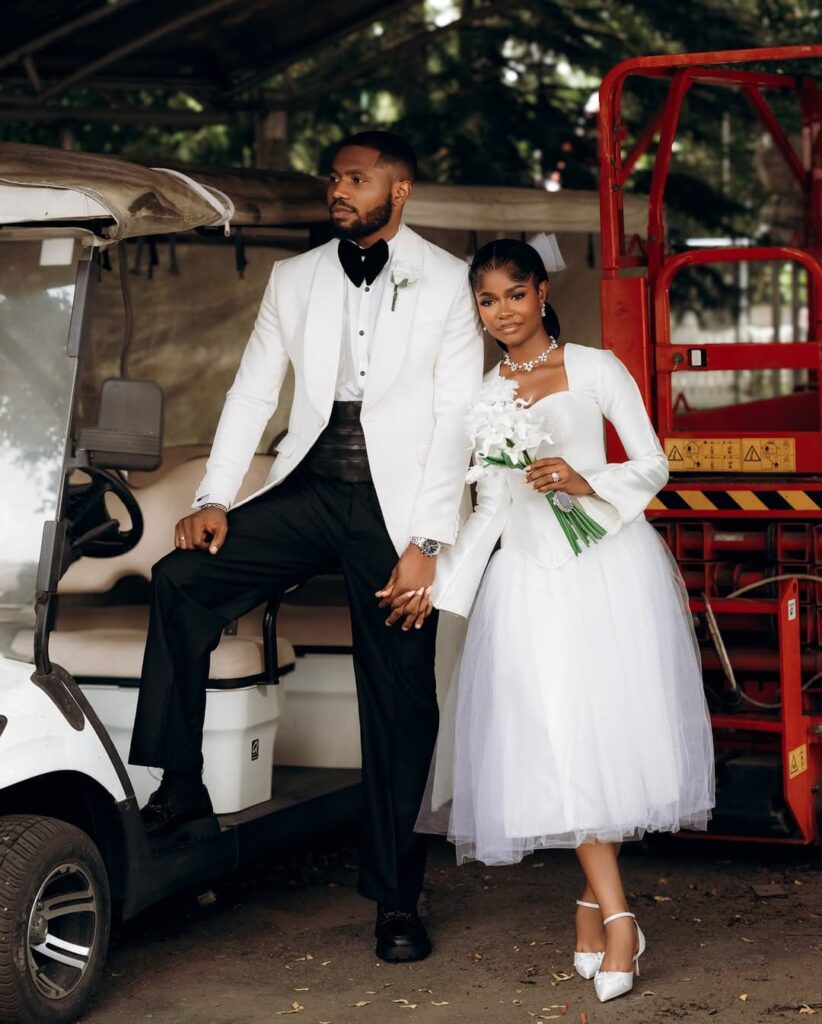
Documents Required for a Nigerian Marriage Registry
Requirements vary depending on the type of couple and previous marital status. Keeping this structured helps readers skim easily:
For Nigerian Couples:
- Birth certificate or declaration of age
- Passport photographs (2 each)
- Indigene letter/Letter of Identification
- Sworn affidavit of bachelorhood/spinsterhood if single
- Affidavit of marriage if previously married
- Divorce papers (Decree 90 and Decree Absolute) if divorced
- Death certificate of previous spouse if widowed
- Evidence of annulment if applicable
For Mixed Couples (Nigerian + Foreigner or Two Foreigners):
- All of the above for the Nigerian spouse
- Passport (data page)
- Arrival stamp page
- Residence permit if applicable
- Affidavits or embassy letters as required
Widowed or Divorced Applicants:
- Death certificate or divorce decree as applicable
- Sworn affidavit of single status if remarried or single with children
How the Nigerian Marriage Registry Process Works (Step-by-Step)
A clear, streamlined process:
- Notice of Marriage: Submit required documents to the registry (online or in person).
- Waiting Period: Minimum of 21 days for ordinary marriage; 7 days for special marriage.
- Appointment Booking: Schedule your oath-taking and ceremony date.
- Marriage Ceremony: Take the oath in the presence of at least one witness each; present rings or religious text.
- Issuance of Certificate: Receive your legal marriage certificate after the ceremony.

Online Registration and Appointment Booking in Nigeria
Modern marriages have moved online, but not everything is digital:
Online: Document submission, appointment scheduling, and fee payments can be done via the eCITIBIZ portal. Using the eCITIBIZ portal simplifies the process and reduces the need for multiple visits to the registry.
Physical Presence: After the online application and electronic payment, couples are required to schedule an appointment for oath-taking, ceremony, presentation of witnesses, and marriage solemnization.
Common Mistakes: Missing documents, wrong file formats, or attempting to skip physical requirements can delay the process.
Special Requirements for Foreign Couples
Foreigners must prepare additional documents to avoid delays:
- Passport and visa information
- Embassy letters where required
- Sworn affidavits proving single status
- Residence permit if living in Nigeria
This ensures their marriage is recognized both locally and internationally.
Residency, Waiting Periods, and Timelines
There are myths about needing to live in Nigeria for months—here’s the reality:
- Residency: Only relevant for documentation; you don’t need long-term residency.
- Waiting Periods: 21 days for ordinary, 7 days for special marriage; plan accordingly.
- Same-Day vs Scheduled Ceremonies: You can schedule the ceremony soon after document submission, but factor in appointment availability.

Cost of Getting Legally Married in Nigeria
It’s important to budget for official fees, document processing, and minor miscellaneous expenses. Costs vary depending on the registry location, type of marriage, and any optional services you choose.
Approximate Costs:
- Ordinary Marriage Application: ₦75,000
- Special Marriage Application: ₦100,000
- Document Verification: ₦50,000
- Certified True Copy of Marriage Certificate: ₦50,000
- Change of Venue Request: ₦150,000 (per the Federal Ministry of Interior’s official website)
Typical Breakdown by Step:
- Filing of Marriage Notice: ₦15,000 – ₦25,000
- Affidavit of Bachelor/Spinster Status: ₦2,000 – ₦5,000
- Swearing of Oath at the Registry: ₦1,000 – ₦3,000
- Marriage Certificate Issuance: ₦10,000 – ₦20,000
- Miscellaneous (photocopies, transport, minor administrative costs): ₦5,000 – ₦10,000
Total Estimated Cost: ₦30,000 – ₦60,000
Tip: Fees can change without notice, so always confirm current rates with your chosen registry. Planning for these costs upfront ensures there are no last-minute surprises and keeps your legal marriage process smooth and stress-free.
Dos and Don’ts of the Nigerian Marriage Registry
Do:
- Arrive early on your appointment day.
- Dress formally: wedding attire, native wear, or corporate ensemble.
- Prepare all documents in advance.
- Bring witnesses and the required religious items or rings.
Don’t:
- Wear casual clothes like shorts, jeans, or sleeveless tops.
- Forget to double-check documents.
- Rely on unauthorized agents or middlemen.
- Skip registration after customary or church ceremonies.
Tips for a Smooth Legal Marriage Process
- Plan ahead and gather documents early.
- Choose the right registry with a convenient location and services.
- Avoid scams by dealing directly with the registry or eCITIBIZ portal.
- Time your ceremony to accommodate waiting periods and appointments.
- Keep multiple copies of your certificate for emergencies or international purposes.
Locations in Nigeria to Legally Get Married
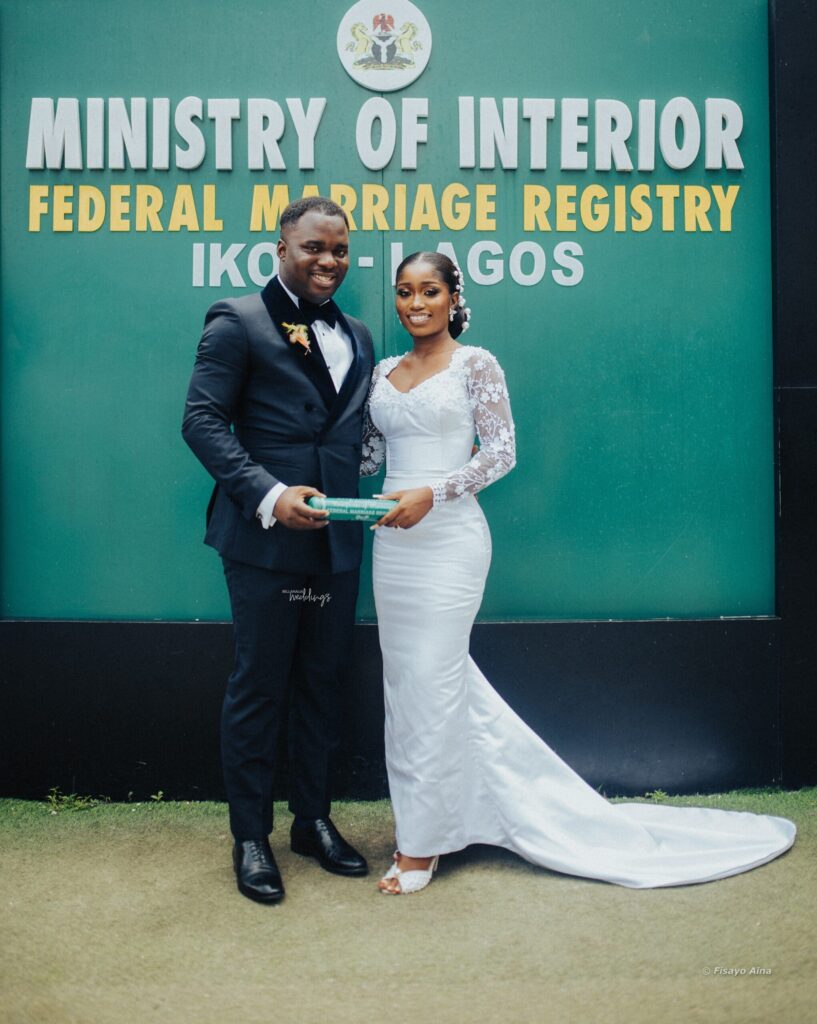
The Federal Marriage Registry, under the Ministry of Interior, handles ordinary and special marriages, as well as the issuance and re-issuance of secured marriage certificates. If you’re planning a legal wedding, here are the key locations across Nigeria:
- Lagos: Federal Marriage Registry, Kingsway Rd, Ikoyi, Lagos
- Abuja: 28 Borno Street, Area 10, Garki, Abuja, FCT
- Benin: 11A Gapiona Avenue, Off Benoni Road, GRA, Benin City, Edo State
- Owerri: No. 12, Bishop S.I Nwaogu Crescent, Adjacent Owerri Sport Club, New Owerri, Imo State
- Port Harcourt: No. 40 Railway Close, D/Line, Port Harcourt, Rivers State
- Kano: No. 14 Okene Street, Normans Land, Sabongari, Kano State
- Jos: 74 David Jonah Jang Way, Off PRTV Roundabout, Opposite St. Finbarr’s Parish, Rayfield, Jos, Plateau State
Couples can visit any of these registries to register their marriage, take the oath, and collect their official marriage certificate. Some registries also allow partial online processing through the eCITIBIZ portal, making it easier to prepare documents, schedule appointments, and pay fees in advance.
Final Thoughts
Getting legally married in Nigeria is straightforward once you understand the process. With the right documents, registry choice, and preparation, it doesn’t need to be stressful. Whether you’re a local couple, a Nigerian living abroad, or a foreigner, following these steps ensures your union is recognized, protected, and celebrated without unnecessary confusion or delays.