A well-planned South African wedding follows a clear order of events. This guide breaks down how traditional ceremonies, white weddings, and receptions usually unfold from start to finish.
Wedding planning can feel overwhelming, and every couple figures that out sooner than they expect. Between decisions, budgets, family opinions, and timelines, it’s easy to lose your footing. That’s why having a proper wedding planning checklist matters so much. Planning your wedding about 12 months ahead gives you breathing room. You’re not rushing, you’re not panicking, and each decision has space to fall into place naturally.
Now imagine this. You’ve survived the month-by-month planning. The vendors are booked, outfits are ready, and the big day is finally here. This is not the moment to start stressing again. Your wedding day should feel calm, joyful, and fully present. A clear wedding program outline makes that possible. It keeps everyone aligned, helps things move smoothly, and lets you actually enjoy the day you worked so hard to create.
Many South African weddings blend more than one celebration into a single experience. It’s common to see traditional elements, like the lobola process, combined with a Christian or white wedding ceremony, followed by a full reception. This mix of culture, faith, and family is beautiful, but it needs structure. From traditional attire and symbolic rituals to music and ceremonial transitions, everything works better when the flow is clear. That’s where a strong master of ceremonies becomes essential, guiding guests through the timeline and making sure no moment feels rushed or confusing.
Whether you’re planning an intimate celebration or a large destination event, the right support makes all the difference. Couples often choose destination wedding venues across Johannesburg, Durban, Cape Town, and the wider Gauteng area for their unique settings and unforgettable atmosphere. Along the way, experienced wedding planners in South Africa help manage the details, wedding decorators bring the vision to life, and skilled hairstylists make sure you feel confident and beautiful from start to finish. When everyone knows the program and their role in it, the day flows effortlessly, and the memories last a lifetime.

Why Every South African Couple Needs a Wedding Program Outline
Every wedding day has a rhythm of its own. No matter how beautiful the venue is or how carefully you planned for months, the day can still feel chaotic without a clear structure. A wedding program outline is what turns good intentions into a smooth experience. It’s the difference between moments flowing naturally and moments feeling rushed, confusing, or forgotten.
South African weddings are especially layered. You’re not just hosting an event; you’re bringing families, traditions, faith, and expectations into one shared timeline. When there’s no clear program, small delays grow into big frustrations. When there is one, everyone knows what’s happening next and why it matters. Here’s why having a wedding program outline isn’t optional: it’s essential.
1. It lets you actually enjoy your own wedding day
You didn’t plan for months just to spend your wedding day answering questions and putting out fires. A clear program means you’re not constantly being pulled aside to ask, “What’s next?” or “Are we late?” Instead, you get to be present, laugh freely, and take in the emotions of the day without carrying the weight of logistics on your shoulders.
2. It keeps traditional and white ceremonies from clashing
When a wedding includes both traditional rites and a white or church ceremony, timing becomes everything. Without a program, one part can easily overshadow the other. A well-structured outline respects both traditions, giving each moment the space and dignity it deserves while keeping the day balanced and meaningful.
3. It helps families feel included, not confused
Parents, elders, and extended family play an important role in South African weddings. A clear program helps them understand when they’re needed and what to expect. Instead of feeling left out or unsure, they feel involved, respected, and emotionally connected to the flow of the celebration.
4. It allows your MC to lead with confidence
An MC can only guide the room as well as the timeline allows. With a solid program outline, the MC isn’t guessing or improvising under pressure. They confidently move guests from one moment to the next, keeping the energy high, managing transitions, and ensuring the celebration never loses momentum.
5. It keeps vendors aligned and reduces costly mistakes
From photographers to decorators to caterers, everyone relies on timing. A program outline ensures vendors know when key moments are happening, so nothing is missed or rushed. This simple structure can save you from forgotten entrances, cold food, missed photos, or awkward pauses that break the mood.
6. It manages guest expectations and energy
Guests relax when they know what’s coming next. A clear order of events helps them pace themselves, whether that means settling in for a ceremony, preparing for cultural rituals, or getting ready to celebrate at the reception. When guests feel comfortable, the atmosphere stays joyful and connected.
7. It turns your wedding into a story, not just an event
At its heart, a wedding program outline is a form of storytelling. It creates a beginning, a middle, and a memorable ending. Each moment flows into the next with purpose, emotion, and intention. Long after the music fades, what people remember is how the day felt, and a clear program is what makes that feeling unforgettable.
Pre-Ceremony Timeline for Traditional and White Weddings
This part of the wedding day usually starts quietly, then slowly turns into controlled chaos. It’s morning for some couples, early afternoon for others, and it’s the same routine whether you’re having a traditional ceremony, a white wedding, or both. No guests yet. No formal entrances. Just preparation, nerves, laughter, and a lot of movement behind the scenes.
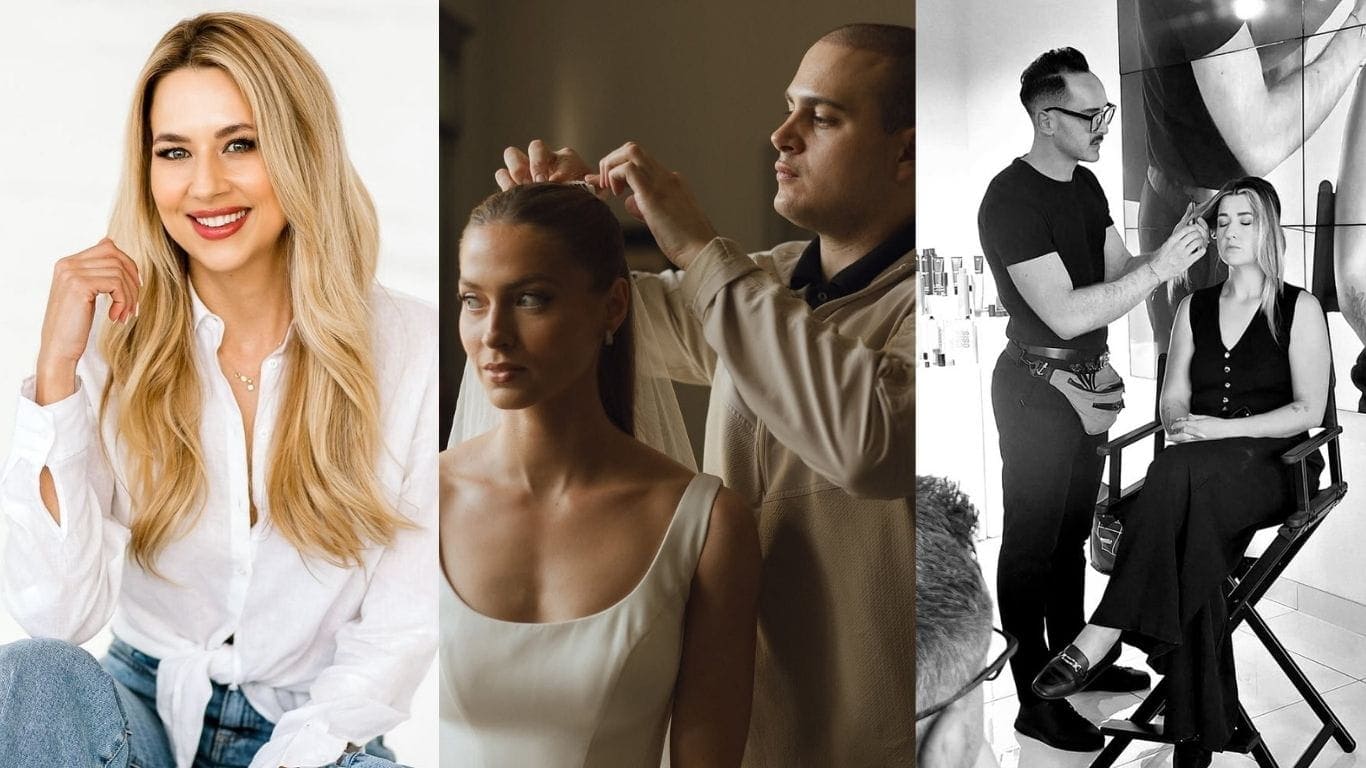
Hair and makeup begin early.
The bridal party starts getting ready, often before the sun is fully up. There’s music playing, phones buzzing, robes everywhere, and someone always running late. This is where emotions start to surface. Excitement, nervous laughter, quiet reflection. For many brides, this is the first moment the day starts to feel real.
Vendors arrive, and the space comes alive.
While the bridal party is getting ready, vendors begin to arrive at the venue. Photographers set up their gear, caterers start preparing, entertainers test sound systems, and decorators add final touches to the space. What was once an empty venue slowly transforms into the wedding you imagined for months.
Media teams step in, and the cameras start rolling.
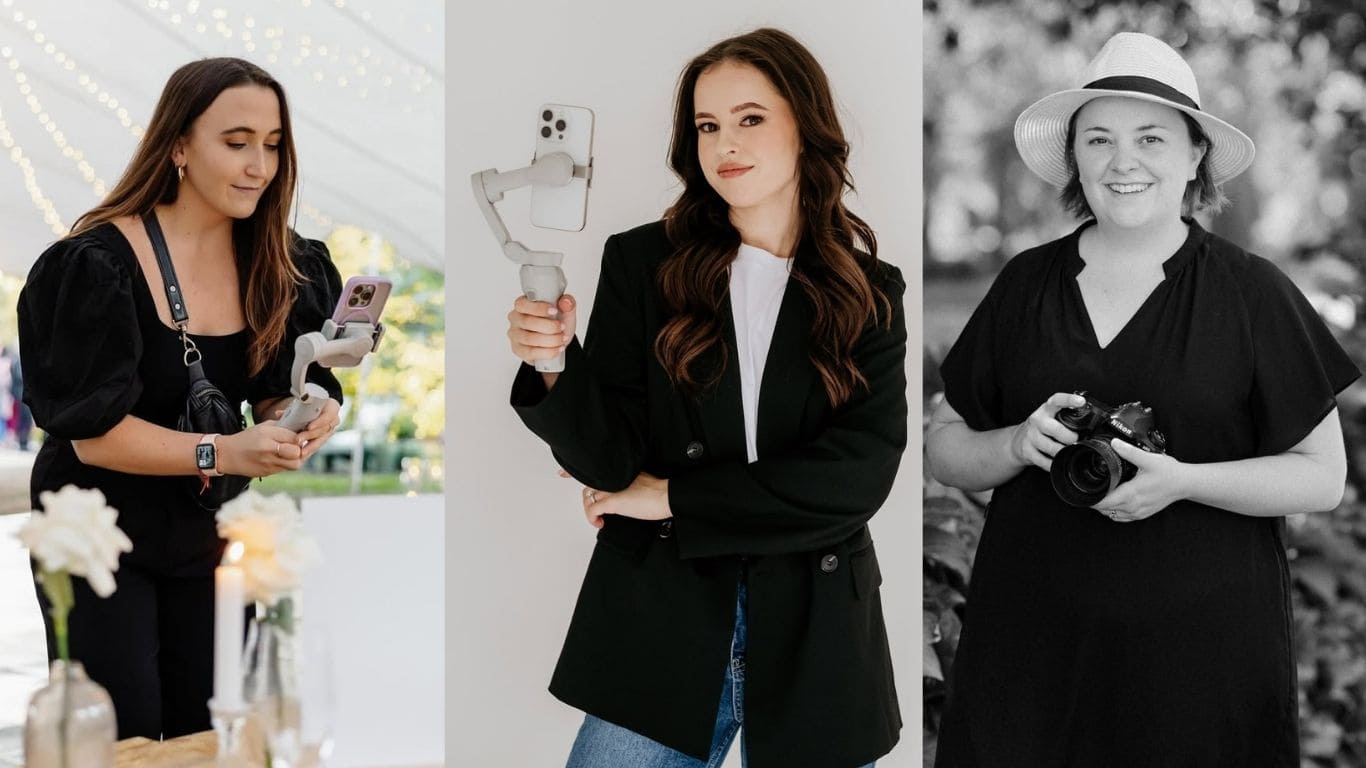
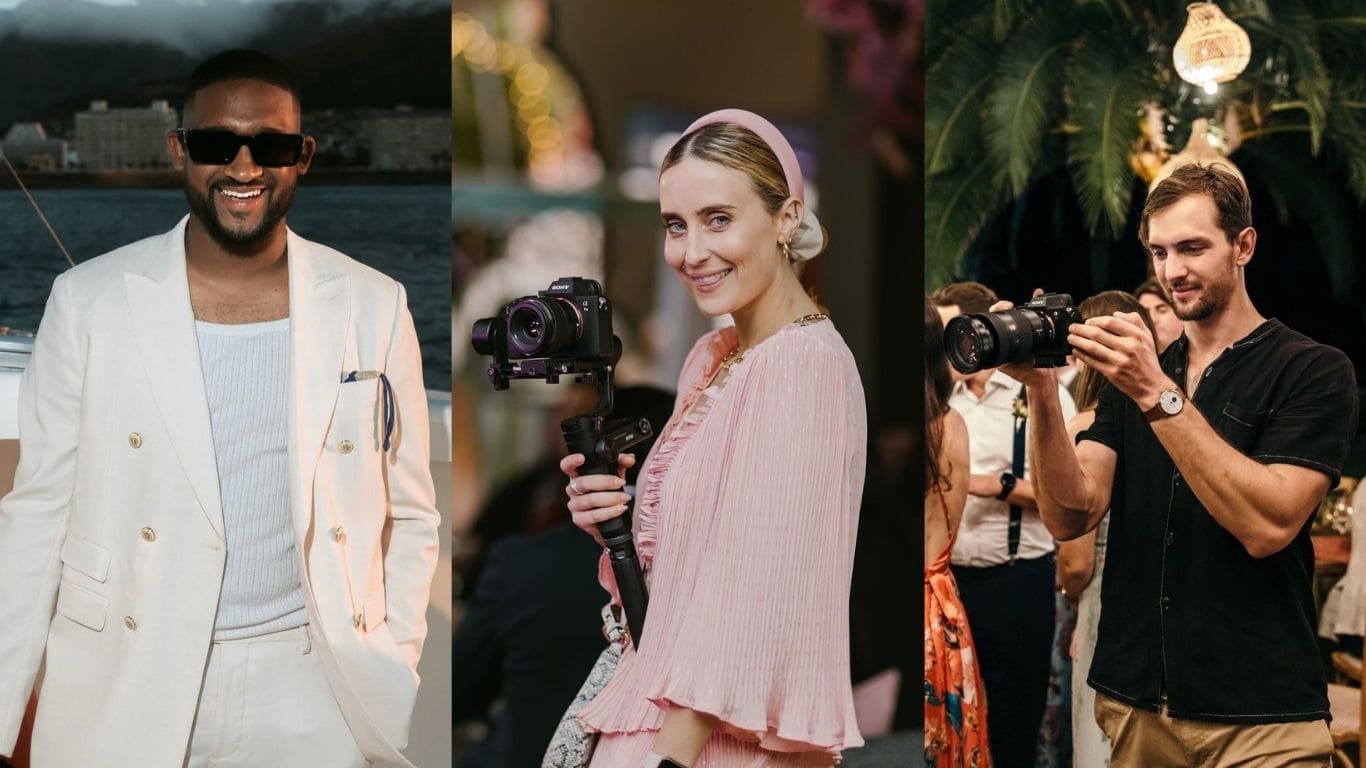
This is when everything feels nonstop. Photographers capture getting-ready moments, stylists doing final touches, and small emotional interactions. Content creators move through the room catching behind-the-scenes moments, playful chaos, and candid laughter. The groom and his friends often get ready first, but the real action usually happens in the bridal room. TikTok challenges, group videos, inside jokes, and spontaneous dancing fill the space. Videographers are everywhere, quietly capturing the angles that will later become the heartbeat of your wedding film. It’s beautiful, but it’s also exhausting. This is easily the most tiring stage of the entire day.
Quiet moments in between.
Somewhere in all the noise, there are pauses. A bride sitting alone for a moment. A groom adjusting his outfit in silence. A deep breath before everything begins. These moments don’t make the official program, but they matter just as much.
The first look, if the couple chooses it.
For white weddings, many couples choose to see each other before the ceremony. It’s private, emotional, and often grounding. It calms nerves and creates a shared moment before standing in front of everyone else. For traditional ceremonies, this is usually optional or skipped entirely, depending on cultural preferences and family expectations.
Once this phase ends, the day shifts. The doors open. Guests arrive. Music changes. The ceremonies begin. Everything before this moment is preparation, emotion, and quiet chaos. Everything after it becomes memory.
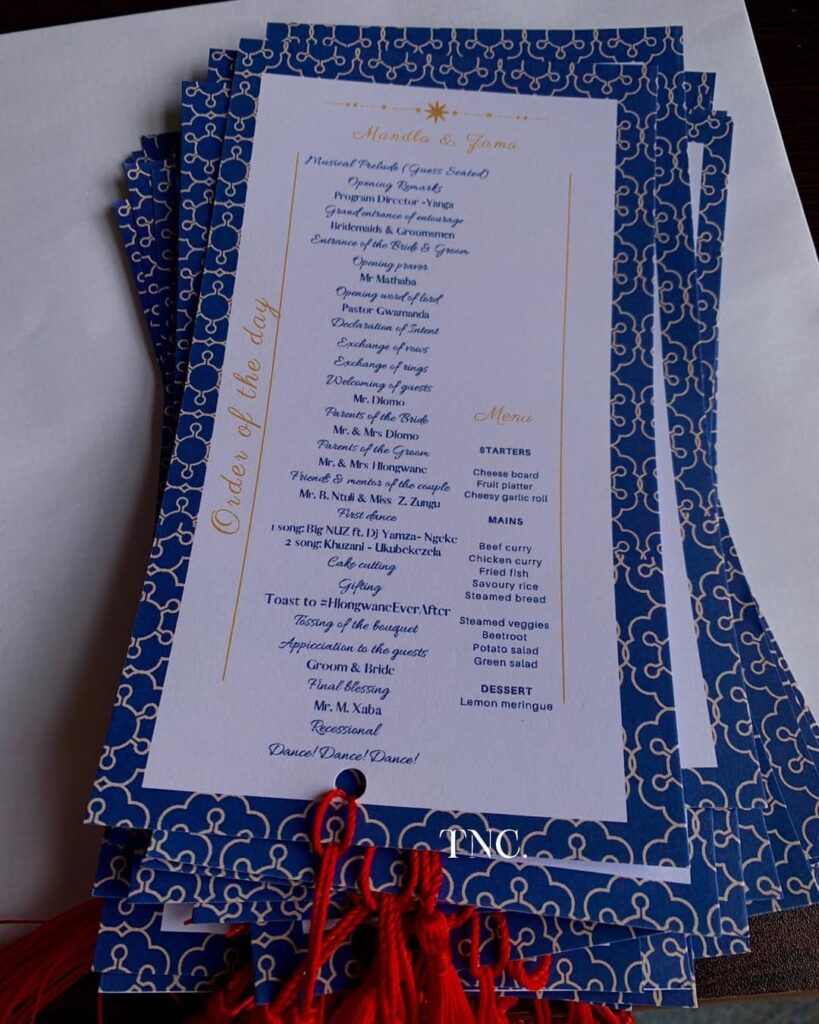
Traditional South African Wedding Order of Events (Lobola, Cultural Rites, and Family Ceremonies)
Traditional weddings in South Africa may look different across cultures, but the heart of the ceremony stays the same. It’s about uniting families, honoring ancestors, and formally welcoming the bride and groom into a shared future. Whether it’s Zulu, Xhosa, Sotho, Tswana, Venda, or Pedi traditions, the process is guided by respect, symbolism, and careful communication between families.
At the center of many South African traditional weddings is Lobola, the bridewealth process where the groom’s family presents agreed items to the bride’s family. Lobola isn’t a purchase. It’s a symbol of commitment, gratitude, and the formal joining of two households. Alongside Lobola, you’ll often see rituals like ukwamukela izivakashi (welcoming guests), izibongo (clan praises), family negotiations, prayers, music, and blessings.
Here’s how the traditional wedding order of events typically unfolds.
1. Arrival and Welcoming of the Groom’s Family
The groom’s family arrives at the bride’s home or a designated family venue, often announced through singing, ululation, or traditional chants. Elders lead the way, setting a respectful and calm tone. This moment, sometimes referred to as ukwamukela izivakashi, is about formally acknowledging the visitors and allowing the ceremony to begin.
2. Musical Interlude and Opening Rituals
Traditional songs, drums, or call-and-response chants fill the space as families settle in. An opening prayer or libation may follow, depending on the family’s beliefs. This moment grounds the gathering, calling on God or the ancestors to witness and bless the intention of the day.
3. Introduction of Both Families
Elders from each side introduce themselves, often stating family names, clan names, and lineages. In many cultures, this is where izithakazelo or praise names are shared. It’s not rushed. This step establishes identity, respect, and connection.
4. Statement of Purpose
The groom’s family clearly states why they are there. This is a formal declaration of intention, usually centered around Lobola and marriage. Nothing moves forward until this purpose is acknowledged and accepted by the bride’s family.
5. Entrance of the Groom and Presentation of Lobola
The groom may enter carrying or accompanied by the Lobola items, which can include money, livestock, or symbolic gifts, depending on the agreement. Elders handle the presentation, negotiations, and confirmations. This process is deliberate and deeply symbolic, not transactional.
6. Request to See the Bride and Bridal Entrance
Once negotiations progress, the groom’s family formally asks to see the bride. In some traditions, she is brought out slowly, escorted by women, accompanied by songs and emotional reactions. Her appearance is often one of the most powerful moments of the day.
7. Confirmation and Acceptance of Lobola
The bride may be asked to confirm that the items presented should be received by her family. Once the bride’s father or family elders confirm acceptance, the union is formally recognized. This moment represents consent, respect, and alignment between families.
8. Blessings, Prayers, and Symbolic Acts
Some families invite a pastor, spiritual leader, or elders to pray over the couple. In blended ceremonies, this may include prayers over rings or a Bible. Other elders may also offer spoken blessings, advice, or ancestral acknowledgments.
9. Public Presentation of the Couple
The couple is introduced together, often entering to music, dancing, and ululation. At this point, the mood shifts. What began as formal negotiations has now become a celebration. The couple is no longer just two individuals, but a recognized union.
10. Family Advice and Words of Wisdom
Elders from both families give advice, warnings, encouragement, and blessings. These words are often heartfelt, humorous, and deeply emotional, touching on marriage, respect, patience, and family responsibility.
11. Gift Exchange and Appreciation
The bride’s family may present thank-you gifts or symbolic items to the groom’s family as a gesture of gratitude. These exchanges reinforce mutual respect and goodwill between the families.
12. Closing Prayers and Celebration
Final prayers are offered, thanking God or the ancestors for a successful ceremony. Music, dancing, and shared joy follow. In some cases, this marks the end of the traditional ceremony; in others, it transitions into a white wedding or reception on the same day or another date.
What makes South African traditional weddings special isn’t how closely they follow a script. It’s how deeply they honor family, culture, and intention. Every song, pause, negotiation, and blessing carries meaning. And when guided by a clear program outline, the day feels less overwhelming and far more powerful.
White or Church Wedding Order of Events in South Africa
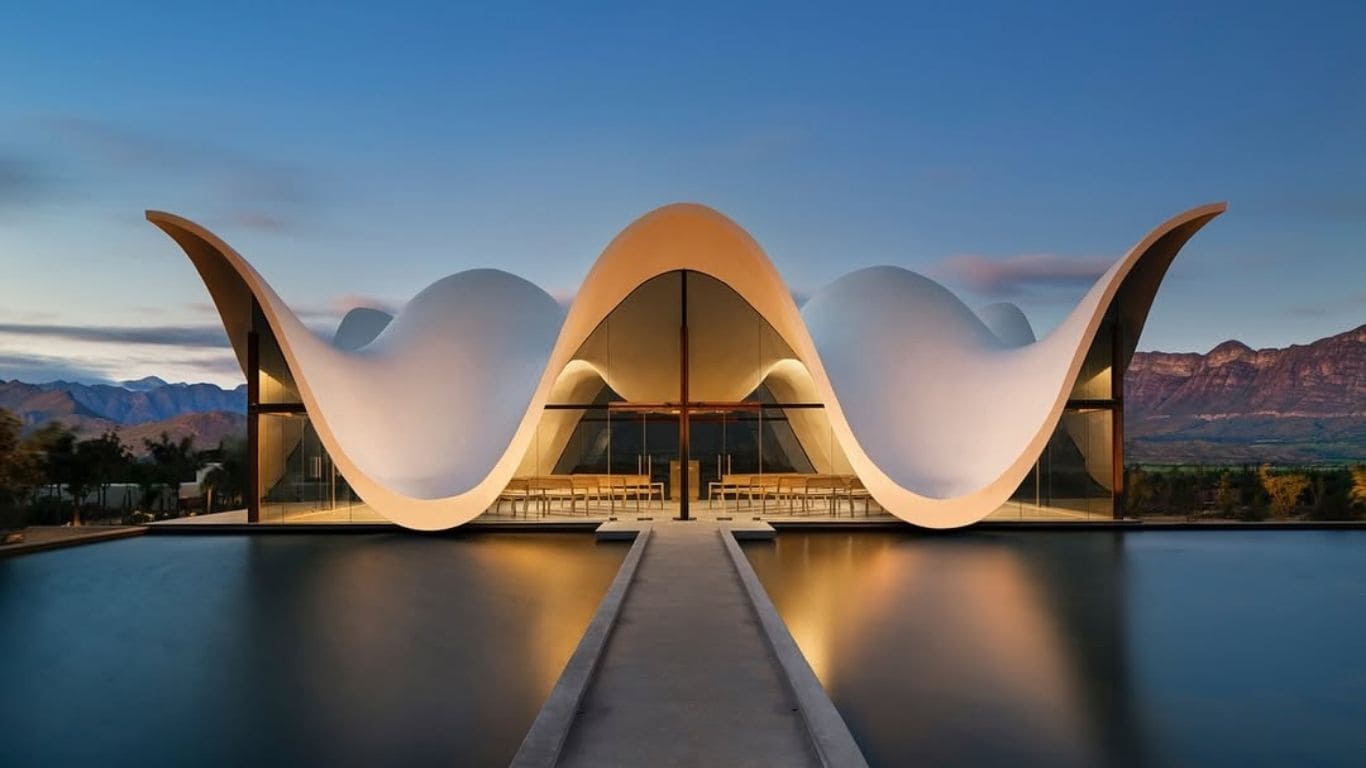
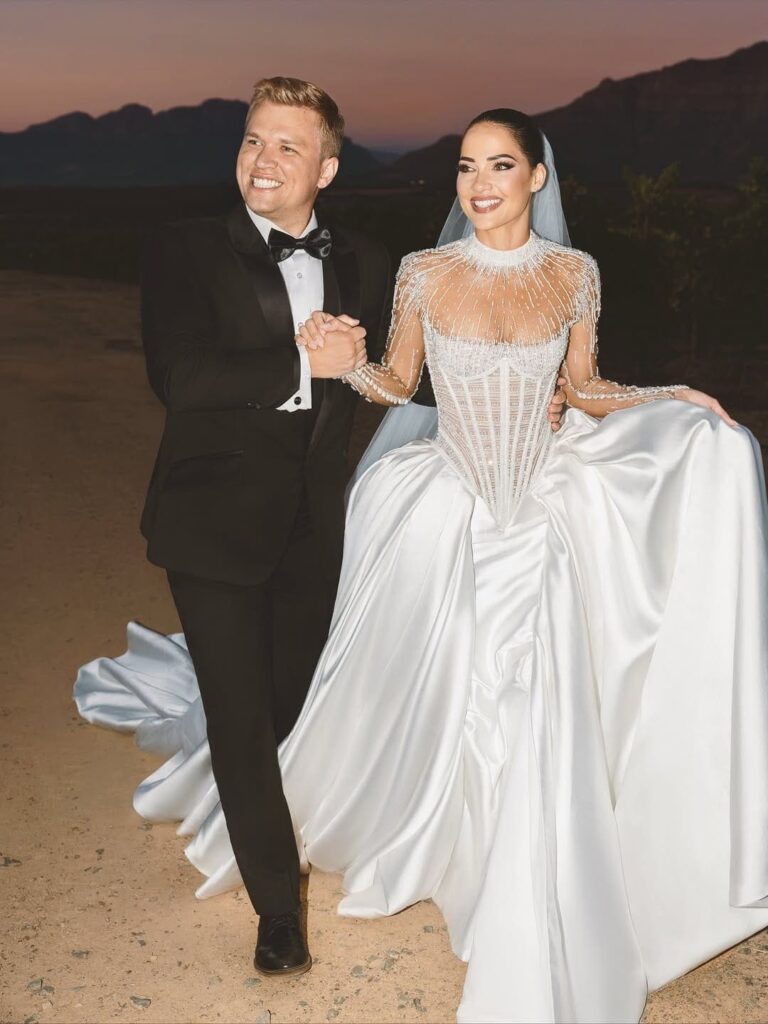
The white wedding ceremony may take place in a church, but today many South African couples choose purpose-built wedding venues instead. Gardens, waterfronts, wine estates, lodges, and event centres have become popular spaces for white weddings, offering beauty, flexibility, and a more personal atmosphere. Whether it happens in a church or under an open sky, the purpose stays the same. To celebrate the marriage in a Christian manner, before God, family, and community.
In these ceremonies, a licensed marriage officer or wedding officiant plays a central role. They guide the spiritual flow, lead the legal process, and ensure the marriage is formally recognized. The structure is familiar, comforting, and deeply symbolic, which is why it feels almost the same across many African countries. Here’s how a typical white or church wedding ceremony unfolds in South Africa.
1. Prelude
Soft instrumentals, a church choir, or gentle worship music plays as guests arrive and settle in. Ushers move quietly through the aisles, helping people find their seats. This moment signals that the service is about to begin and invites everyone into a reflective, sacred space.
2. Arrival and Seating of Guests
Guests are seated by ushers, with close family members and honoured guests usually seated last. This happens just before the ceremony officially starts, marking the transition from gathering to worship.
3. Processional
The ceremony begins with the entrance of the bridal party.
• Bridesmaids and groomsmen walk down the aisle, often in pairs
• The groom may enter separately or wait at the altar, depending on church tradition
• The bride makes her grand entrance, typically escorted by her father. If he is not present, an uncle, guardian, or close family member may walk her down the aisle
This is one of the most emotional and anticipated moments of the entire day.
4. Opening Prayer / Invocation
The officiating minister or marriage officer opens the service with prayer, committing the ceremony, the couple, and the union into God’s hands.
5. Welcome and Purpose of Gathering
A brief welcome follows, explaining why everyone has gathered. This usually centres on witnessing the joining of the couple in holy matrimony and celebrating their commitment before God and family.
6. Scripture Readings
Selected Bible passages are read, often from the Old Testament, New Testament, or Psalms. These readings reflect love, unity, faith, and the responsibilities of marriage.
7. Hymn or Worship Song
A congregational hymn, choir piece, or worship song is sung. Music plays a powerful role in South African church weddings, drawing everyone into a shared moment of reflection and praise.
8. Charge to the Couple / Sermon
The officiant delivers a short message focused on marriage, commitment, patience, and mutual respect. It’s usually practical, heartfelt, and grounded in faith rather than lengthy.
9. Declaration of Intent
The officiant asks the formal “Do you take…?” questions, confirming that both the bride and groom are entering the marriage willingly and with full understanding.
10. Exchange of Vows
The couple exchanges vows, often using traditional church vows. Some officiants allow light personalisation, as long as the meaning remains faithful to the church’s doctrine.
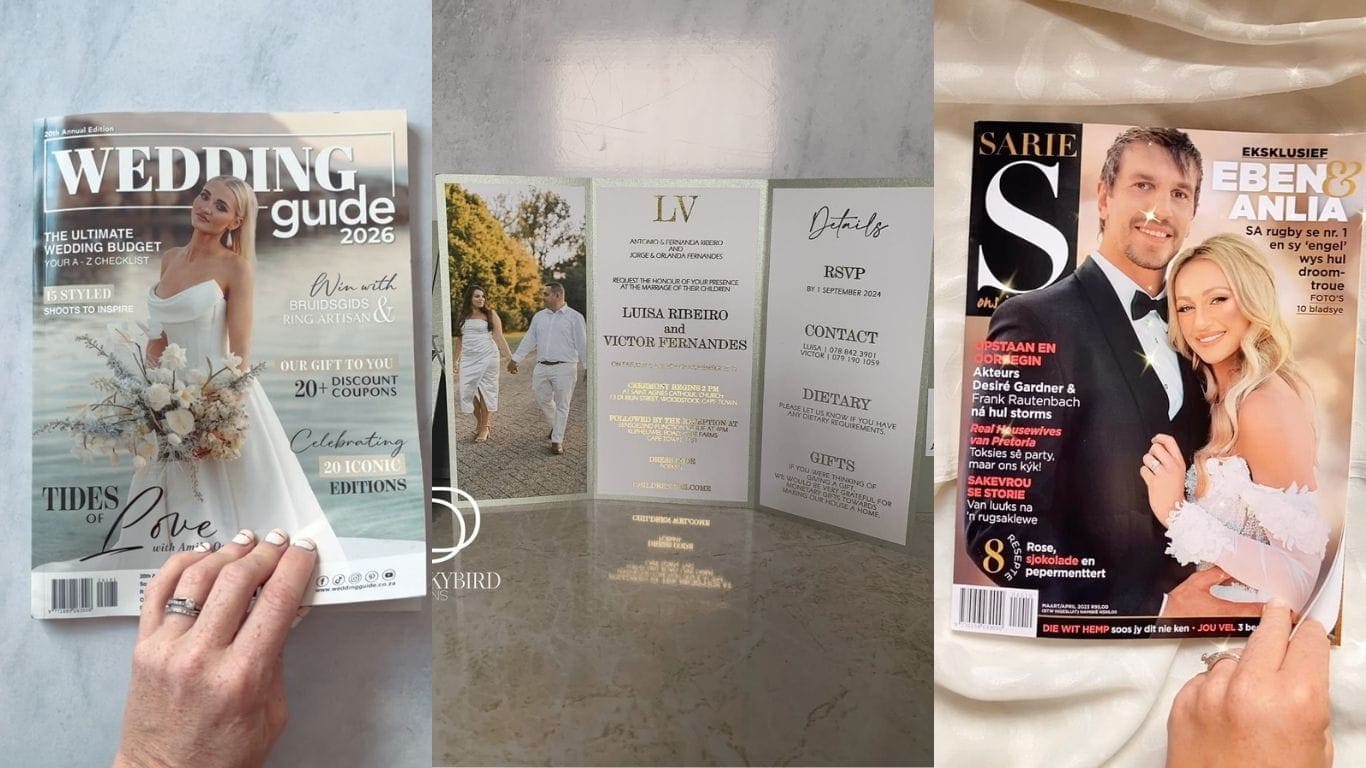
@blossomprints0 Unforgettable love story💍🥰 custom wedding programs to celebrate every detail 💍✨ Because every love deserves a personal touch #wedding #bridetobe #johannesburg #weddinginspo #weddingdetails ♬ The Wedding Song – Clxrity & Majorsteez
11. Exchange of Rings
Rings are exchanged as a symbol of covenant, unity, and lifelong commitment. The officiant blesses the rings and the union they represent.
12. Pronouncement of Marriage and the Kiss
The officiant officially declares the couple married. This moment is sealed with a kiss, usually followed by applause, smiles, and quiet tears from loved ones.
13. Prayer of Blessing / Dedication of the Marriage
A prayer is offered over the couple, dedicating their marriage, home, and future together. In some churches, elders or additional ministers may also join in prayer.
14. Signing of the Marriage Register
The couple, witnesses, and officiant sign the marriage register or certificate. This completes the legal and formal recognition of the marriage.
15. Final Blessing / Benediction
The officiant gives a closing blessing over the couple and the congregation, formally bringing the service to an end.
16. Recessional
The newlyweds exit first, followed by the bridal party, as joyful music plays. Guests rise, celebrate, and prepare to transition into photographs or the reception.
Order of Wedding Photographs (Church Edition)
Immediately after the recessional, most churches in South Africa allow a short window for structured photographs before guests disperse. Ushers, the MC, or church coordinators usually help organise this part, making sure key people are captured while everyone is still present and properly dressed.
Here’s the order that typically works best and keeps things moving smoothly.
1. The Couple
The newlyweds take their first official photos together as husband and wife. These are usually simple, centred shots taken near the altar or church entrance.
2. The Couple With Key Groups
From there, the couple remains in place while groups rotate in. This saves time and reduces confusion. Photos are usually taken with:
• The officiating minister or marriage officer
• Bride’s parents
• Bride’s immediate family
• Groom’s parents
• Groom’s immediate family
• Both families together
• Entire bridal team (bridesmaids and groomsmen)
• Colleagues
• Close friends
3. Bridesmaids Only
Photos of the bride with her bridesmaids, often lighter in mood once the formal family shots are done.
4. Groomsmen Only
Strong, celebratory shots of the groom with his groomsmen, usually more relaxed and playful.
5. Bride Only
A few solo portraits of the bride in her gown, often captured while adjustments are being made or while waiting for the next group.
6. Groom Only
Solo portraits of the groom, usually clean, composed, and confident.
7. Groom With His Squad
Less formal group shots with close friends, often filled with laughter and inside jokes.
8. Bride With Her Bridal Party
This includes the bridesmaids and sometimes flower girls, capturing connection and shared excitement.
9. Friends of the Bride With the Couple
School friends, work friends, and close circles who’ve walked the journey with the bride.
10. Friends of the Groom With the Couple
Often louder and more energetic, especially if the groom’s friends are in high spirits.
11. Ring Bearer and Little Bridesmaids
Short, sweet moments with the children involved in the ceremony.
12. Friends, Church Members, and General Well-Wishers
These final photos are usually informal, allowing guests to congratulate the couple before everyone heads off.
Modern Changes to Church Wedding Photography
Today, church wedding photography doesn’t always end at the church gate. With many couples moving straight into cocktail hour or heading to a reception venue, photographers now focus on telling a fuller story beyond the ceremony itself.
Here’s how the modern flow usually looks.
1. Bride and Groom Portraits
Relaxed, romantic, and editorial-style portraits taken around the reception venue. This is where photographers get creative, using gardens, architecture, décor, and natural light to capture the couple’s connection.
2. Immediate Family Photos
Quick, organised portraits with parents and siblings while everyone is still fresh. These are done efficiently to keep the timeline on track.
3. Wedding Party Shoots
Fun, coordinated shots of bridesmaids and groomsmen. These are often more expressive and playful than the formal church photos.
4. Couple With the Wedding Party
Full bridal party portraits that capture the energy, laughter, and celebration of the day before guests fully settle into the reception.
5. Reception Room Details
Before guests walk in, photographers document the reception space in its untouched state. Tablescapes, stage design, cake display, menu cards, floral installations, lighting, and personalised signage are all captured while everything still looks perfect.
This approach keeps the day flowing, respects guests’ time, and ensures the couple walks away with a complete visual story of their wedding day.
South African Wedding Reception Order of Events
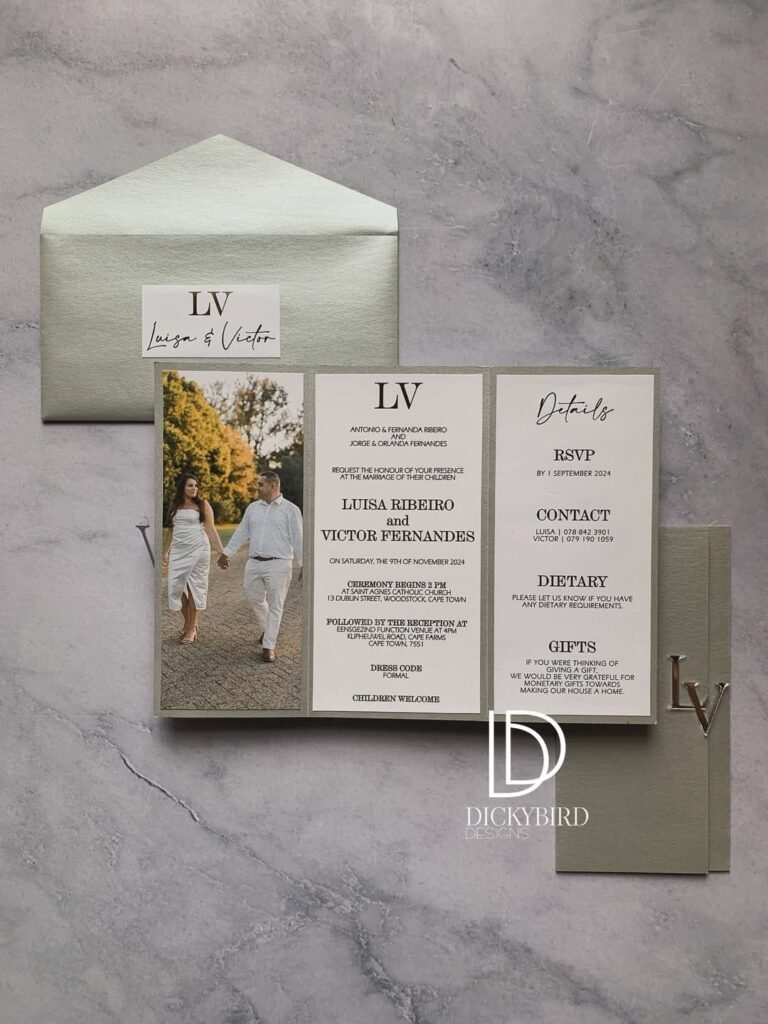
After the ceremony, the reception is where the day finally exhales. This is where formality softens, laughter gets louder, and the celebration truly begins. Guests eat, dance, reconnect, and witness the couple step into married life with joy. While the reception feels relaxed, it still needs structure to flow well.
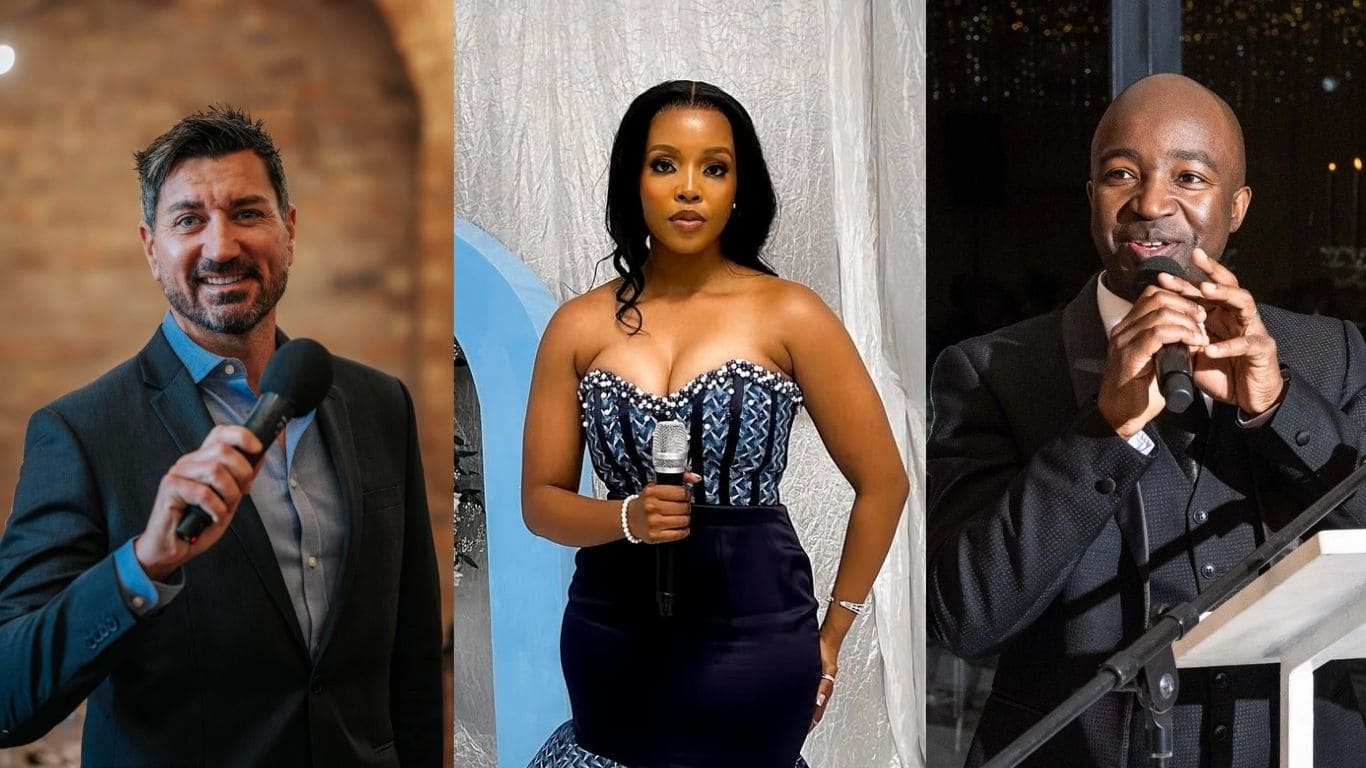
At the heart of a South African wedding reception is the Master of Ceremonies (MC). The MC controls the pace, manages transitions, announces key moments, and keeps the energy balanced. A good MC knows when to hype the room, when to pause for emotional moments, and when to move things along so nothing important is missed.
Here’s how a typical South African wedding reception unfolds.
1. Guest Arrival and Seating
Guests arrive at the reception venue and are guided to their seats by ushers. Music plays softly in the background as people settle in, greet one another, and get comfortable.
2. Entrance of the Bride’s Family
The bride’s family is formally welcomed into the venue, often accompanied by music, applause, or traditional ululation. This entrance recognises their role in raising and presenting the bride.
3. Entrance of the Groom’s Family
The groom’s family follows, completing the symbolic coming together of both families. This moment often sets a warm, celebratory tone for what’s to come.
4. Recognition of Elders and Special Guests
The MC acknowledges elders, family representatives, church leaders, and other honoured guests. In many South African weddings, respect for elders is central, and this moment matters.
5. Bridal Party Entrance
Bridesmaids and groomsmen make their entrance, sometimes with light choreography, sometimes simply walking in with confidence and joy.
6. Grand Entrance of the Couple
The newlyweds enter together, usually to loud cheers and music. This is one of the biggest moments of the reception and often flows straight into their opening dance.
7. Opening Dance
The couple shares their first dance as husband and wife. It may be slow and emotional or upbeat and playful, depending on their personalities.
8. Opening Prayer
A short prayer of thanksgiving is offered, acknowledging the journey so far and asking for blessings over the celebration.
9. Welcome Remarks
A brief welcome address from the MC or a family representative sets expectations for the program and thanks guests for attending.
10. Family Blessings and Words of Wisdom
Parents, elders, or family spokespeople offer advice, prayers, and heartfelt words to the couple. These moments often carry deep emotion and cultural meaning.
11. Toast to the Couple
A toast is raised by the best man, maid of honour, or chosen speaker, celebrating love, friendship, and the future ahead.
12. First Dress Change (If Included)
Many modern South African brides change outfits at this point, transitioning from a formal gown to a more comfortable or culturally inspired look. This keeps energy high and allows the bride to move freely for the rest of the celebration.
13. Dinner Service
Guests are served their meals while music continues in the background. This is usually a relaxed phase where people eat, chat, and recharge.
14. Cake Cutting
The couple cuts the wedding cake together, followed by applause, photos, and cheers from guests.
15. First Feeding of the Couple
A symbolic moment where the couple feeds each other, representing care, partnership, and support in marriage.
16. Presentation of Gifts
Family members and guests present gifts, envelopes, or monetary blessings. This may happen formally or flow naturally alongside music and dancing.
17. Parent and Family Dances
These may include:
• Father–daughter dance
• Mother–son dance
• Bride dancing with her mother or siblings
• Groom dancing with his family
These dances often blend emotion with celebration.
18. Wedding Games or Interactive Moments
The MC may introduce light games or interactive segments to keep the atmosphere lively and engaging.
19. Second Dress Change (Optional)
Some brides change outfits again, especially for high-energy dancing. This is increasingly common and allows for full freedom on the dance floor.
20. Open Dance Floor
The party truly begins. Guests are invited to dance freely as music takes over and the celebration peaks.
21. Bouquet Toss (Optional)
Often done while the energy is still high and guests are fully engaged.
22. Couple Dance Session
High-energy dancing with the couple at the centre, surrounded by friends and family.
23. Thank-You Speech
The groom, the couple together, or a family representative gives a short, heartfelt thank-you to guests, family, and everyone who supported the wedding.
24. Closing Prayer
A final prayer formally closes the reception program, even if dancing continues afterward.
This structure keeps the reception flowing without killing the fun. It leaves room for culture, personality, and spontaneous moments, while still making sure the day feels intentional and memorable.
Final Thoughts
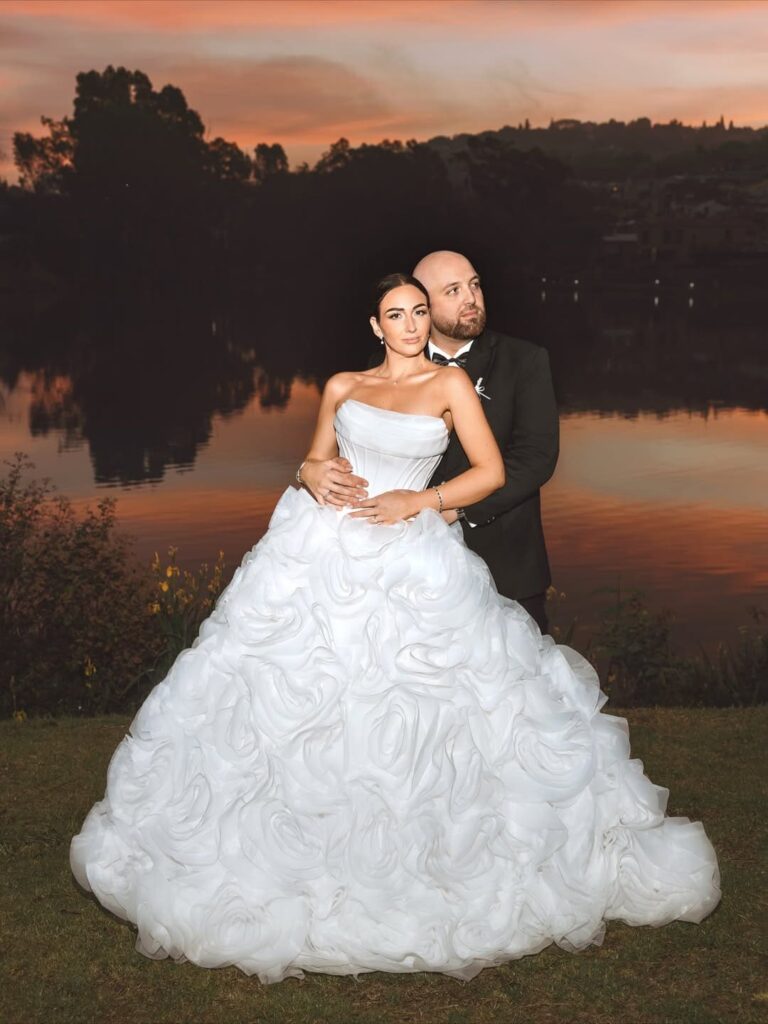
A South African wedding is a journey made up of many meaningful moments, from preparation and traditional rites like Lobola, to the white or church ceremony, and finally the reception where everyone celebrates. Each stage carries emotion, culture, and family expectations, and when these moments are guided by a clear wedding program outline, the day feels calmer, more intentional, and far less overwhelming.
A good wedding program doesn’t take away from the joy, it protects it. It helps traditions flow smoothly, keeps vendors and guests aligned, and allows the couple to stay present instead of stressed. In the end, it’s not about perfection, but about creating a day that feels true to your story and is remembered for how beautifully it all came together.