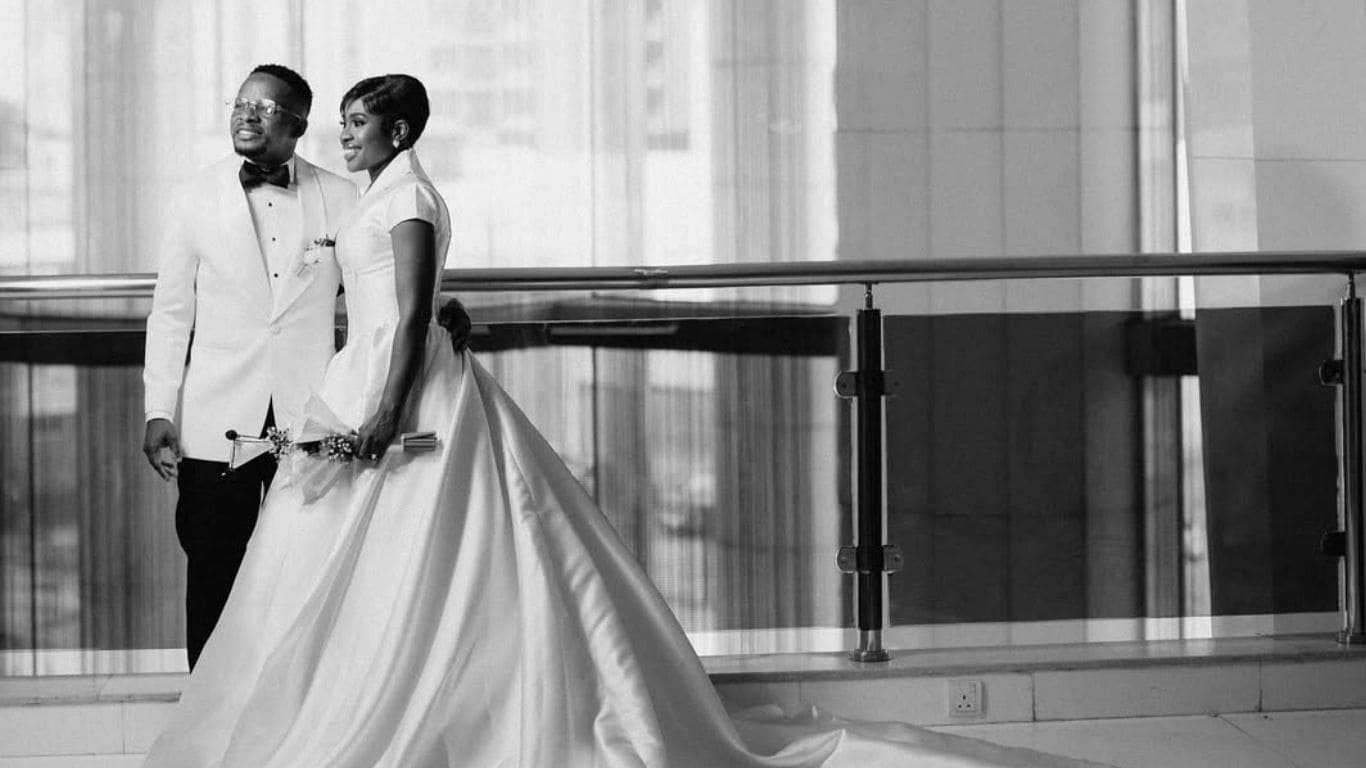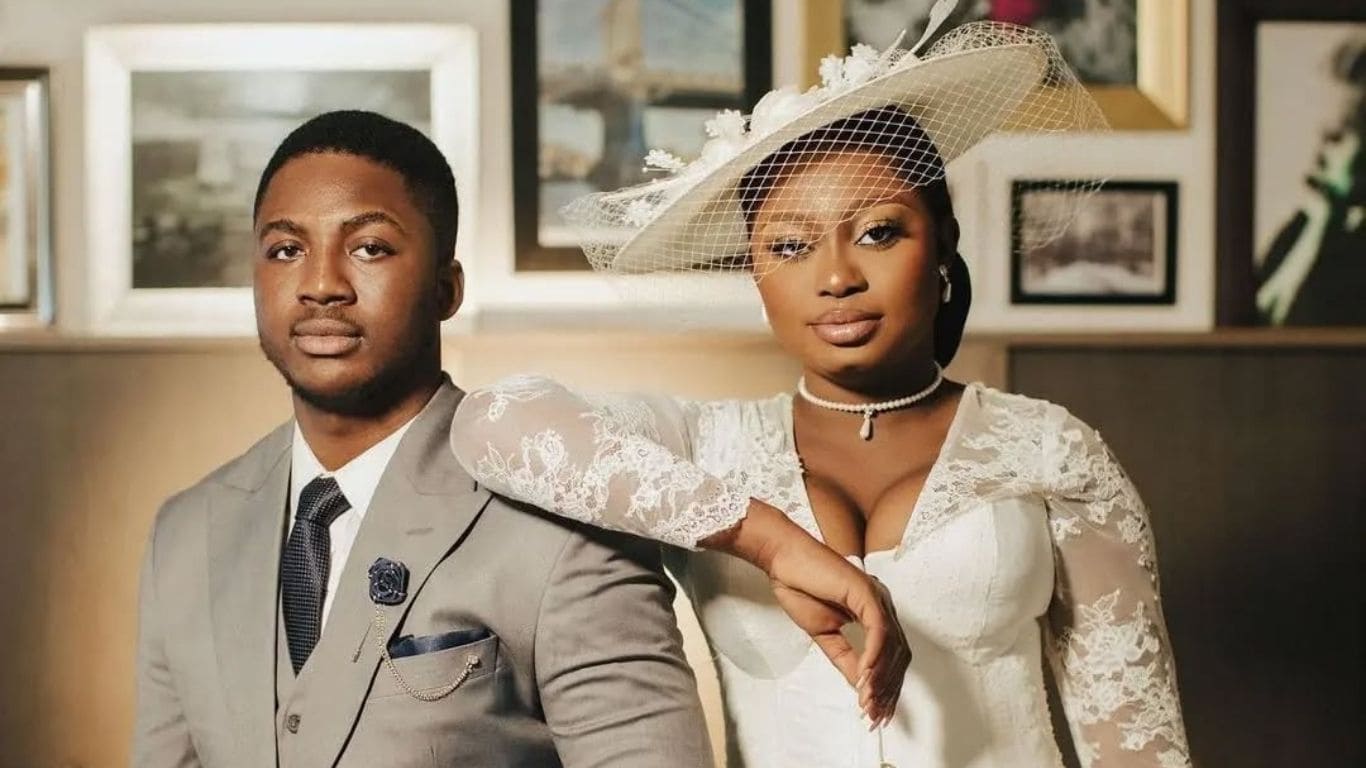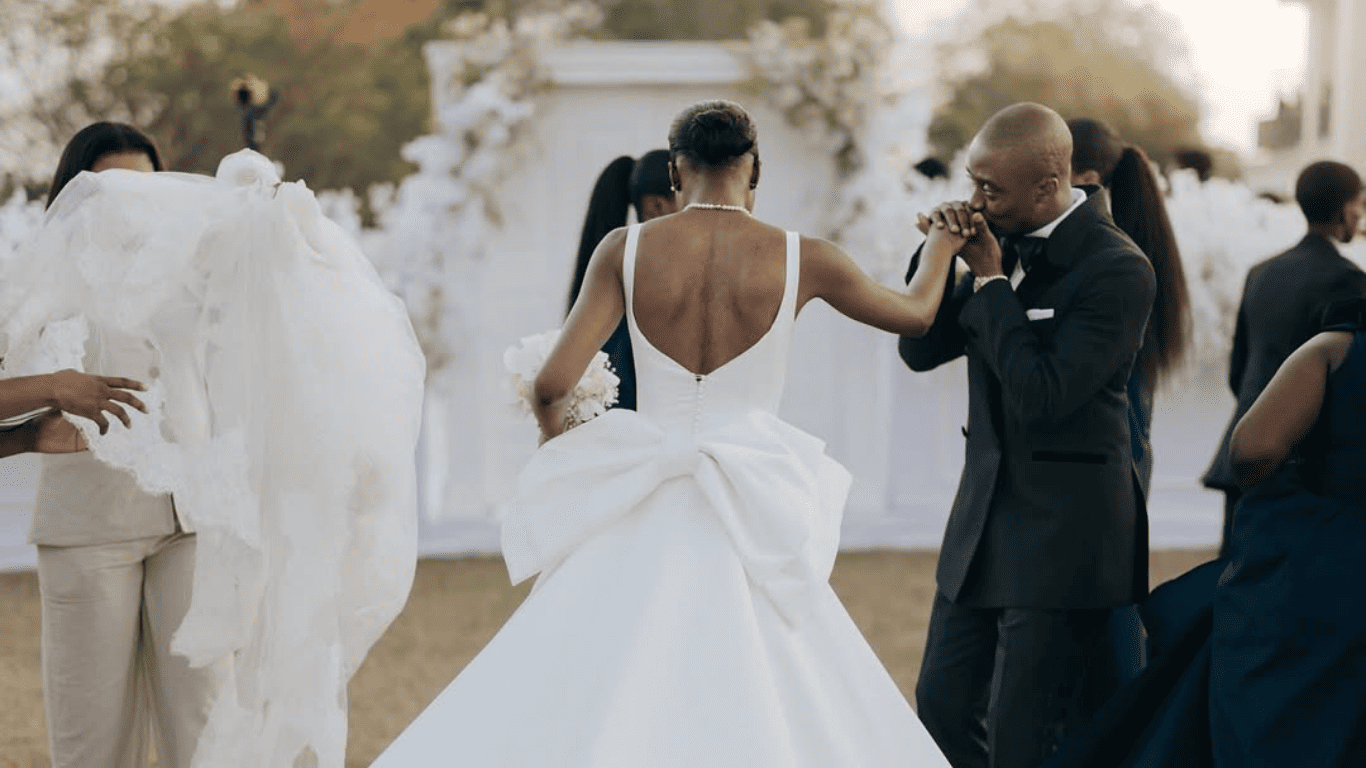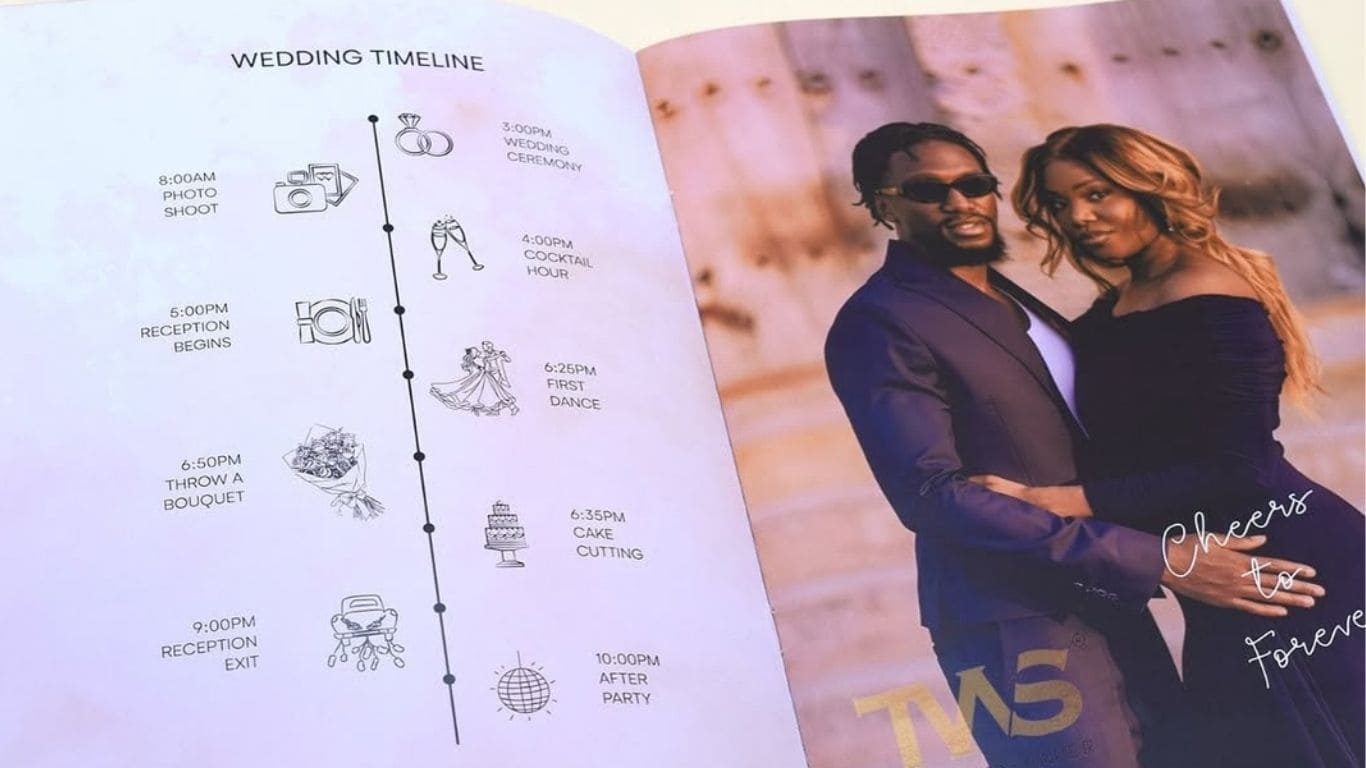

A smooth Kenyan wedding depends on a clear flow of events. Here’s a simple guide to how traditional rites, church ceremonies, and receptions typically unfold.
Ecclesiastes 4:9 says it plainly: Two are better than one. They lift each other up, they share the load, and they face life with a kind of strength that isn’t possible alone. Every wedding in Kenya, whether rooted in tradition or held in a church, is built around this idea. Families come together, blessings are spoken, and a couple steps into a new chapter surrounded by people who believe in them.
Now, here’s the thing—while the beauty of a wedding is spiritual and emotional, the flow of the day is very practical. Kenyan weddings have many moving parts: traditional rites, church ceremonies, photography sessions, gifts, and receptions that can stretch for hours. Without a clear program outline, things can easily drag, overlap, or lose direction. That’s where a solid wedding program comes in. It’s the quiet backbone of the celebration, keeping everyone aligned and the day running smoothly.
The next section walks you through why every couple needs a structured outline before diving into the order of events for traditional weddings, church ceremonies, photo sessions, and receptions.
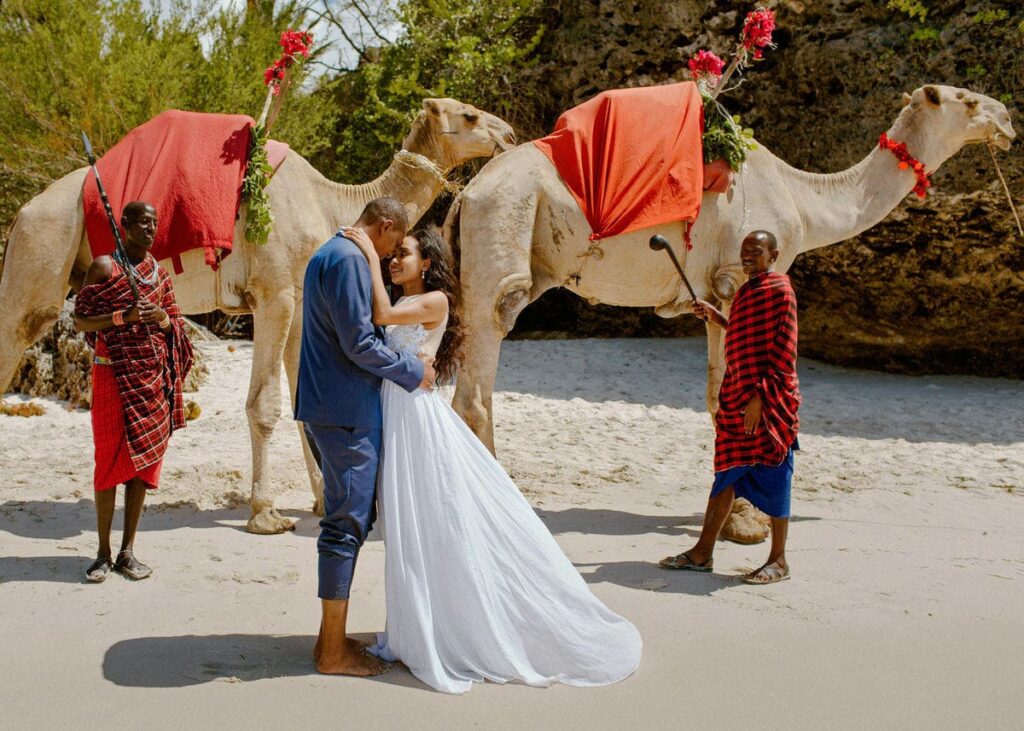
Why Wedding Program Outlines Matter
A wedding program isn’t just a list, it’s the roadmap that keeps the entire celebration from stumbling into chaos. Here’s why it’s essential:
1. Keeps the day organized
There are relatives to honor, rituals to perform, vows to exchange, photos to take, and meals to serve. A clear sequence prevents confusion and helps everything flow.
2. Helps vendors plan properly
Photographers, caterers, décor teams, DJs, and clergy work more confidently when they know the timing of entrances, transitions, and key moments.
3. Reduces stress for the couple
Once the program is agreed upon, the couple can relax and enjoy the day instead of solving last-minute timing issues.
4. Ensures every culture or tradition is respected
For couples blending communities—Kikuyu, Luo, Kamba, Kalenjin, or others—a program helps balance rituals so nothing important is forgotten.
5. Keeps guests engaged
People appreciate knowing what’s happening next, especially at long ceremonies. A good program avoids unnecessary delays.
6. Saves time
Kenyan weddings are famously long. A structured outline prevents the ceremony or reception from stretching far beyond schedule.
7. Makes transitions smooth
From the church exit to the photography session to the reception entrance, good timing keeps the energy high and the experience memorable.
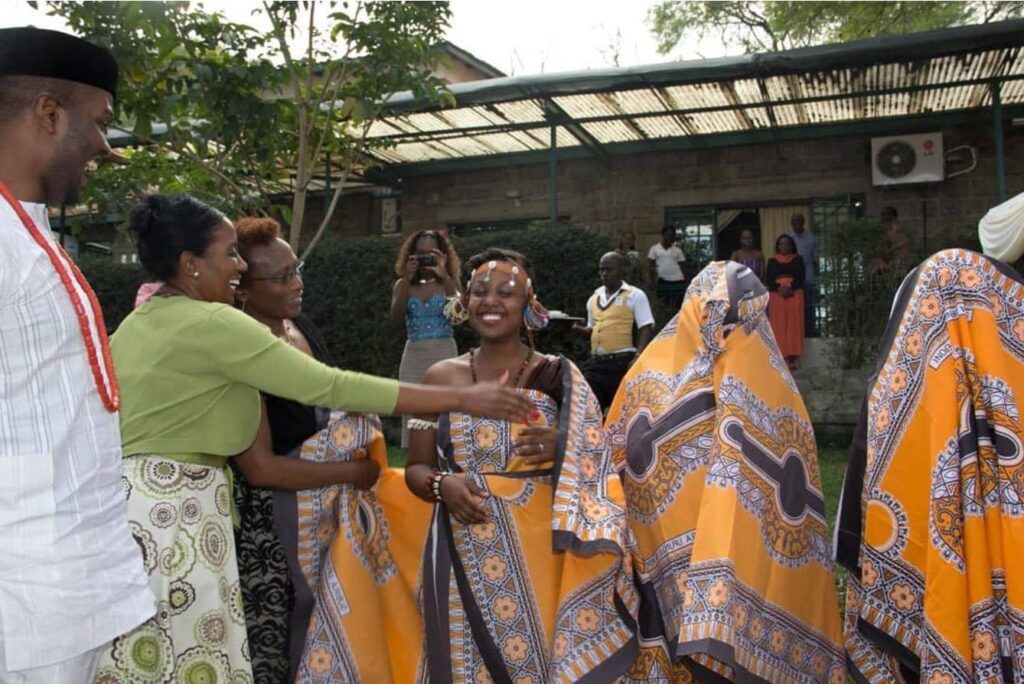
Traditional Kenyan Wedding Order of Events (Ruracio, Dowry, or Cultural Rites)
Traditional weddings in Kenya aren’t the same across communities, but they follow a familiar rhythm rooted in respect, family, and cultural identity. The goal is simple: unite two families, honor the couple’s heritage, and formalize the marriage through agreed customs. What this means in practice is that every step, from introductions to negotiations, carries emotional weight and symbolic meaning.
Here’s how the flow usually happens across many communities:
1. Arrival and Introductions
Both families gather at the bride’s home or a designated venue. Elders lead the way with greetings, prayers, and short introductions. This first moment sets the tone—calm, respectful, and warm.
2. Opening Prayers and Blessings
Most ceremonies begin with a prayer or libation, depending on the community. It’s a moment of grounding, acknowledging ancestors, and blessing the intention of the day.
3. Bride’s Welcome Rituals
This varies by tribe. Sometimes the bride stays hidden until the groom’s family “identifies” her through playful riddles or songs. In other communities, she’s escorted out with women singing traditional welcome songs.
4. Negotiation of Dowry (Ruracio or Bride Price Discussions)
This is the heart of the ceremony. Elders negotiate respectfully, often symbolically, over items like livestock, money, gifts, or traditional tokens. The goal isn’t the transaction; it’s building trust between the families.
5. Presentation of Dowry Gifts
Once agreed upon, the groom’s family presents what they have brought. In some traditions, this includes livestock walking in with fanfare; in others, it’s packaged gifts, food items, or agreed monetary tokens. The presentation is usually met with ululations, songs, and joyful teasing.
6. Bride’s Affirmation and Family Blessings
The bride is asked if she accepts the marriage. Families bless the union, placing hands on the couple or giving verbal blessings. This is where emotions and meaning peak.
7. Sharing of Food
Food seals the union. Communities serve dishes like mukimo, nyama choma, pilau, kienyeji chicken, mursik, tilapia, or local favorites. Eating together symbolizes unity and acceptance.
8. Traditional Songs, Dances, and Celebrations
Every community has its sound, from Kikuyu mũgithi to Luo dances, Luhya isukuti drums, Maasai jumping dances, or Swahili taarab. Music shifts the ceremony from formal to celebratory.
9. Gifts and Closing Remarks
Final speeches, tokens of appreciation, and blessings wrap up the event. Some families exchange symbolic items like baskets, lesos, or traditional attire.
10. Departure Rituals
This can mean the bride leaving with the groom’s family or the couple being officially “released” with songs, ululations, and more blessings.
@weddingcardskenya ♬ original sound – KENYA CULTURE
Church/White Wedding Program Outline
Church weddings in Kenya follow a fairly structured format, but the flow slightly shifts depending on the denomination. SDA weddings often emphasize hymns, scripture, and structured sermons. Catholic ceremonies include the liturgy, readings, exchange of vows within Mass or outside of Mass, and formal blessings. Pentecostal and evangelical churches tend to lean more on worship music and personalized elements, but the core remains the same: reverence, commitment, and a public declaration before God.
Here’s a clear structure that reflects what couples typically experience across churches in Kenya:
1. Prelude
Soft instrumentals, choir pieces, or a live worship team sets the atmosphere as guests settle in.
2. Arrival and Seating of Guests
Ushers direct guests to their sections. Family and VIPs are seated last.
3. Processional
- Entry of groomsmen and bridesmaids
- Entrance of the groom (depending on denomination)
- Grand entrance of the bride
4. Opening Prayer / Invocation
The officiating minister begins the ceremony in prayer.
5. Welcome and Introduction
A short greeting plus the reason you’ve gathered.
6. Scripture Readings
Old Testament, New Testament, and Psalms—varies by church tradition.
7. Hymn or Worship Song
Often chosen based on denomination (SDA weddings are big on hymns).
8. Charge to the Couple / Sermon
A short message on marriage, duties, and biblical grounding.
9. Declaration of Intent (Optional)
The pastor asks the couple the formal “Do you…?” questions.
10. Exchange of Vows
Traditional church vows or personalized versions if allowed.
11. Exchange of Rings
Symbol of covenant and unity.
12. Unity Ritual (Optional)
Unity candle, sand ceremony, or tying of hands—depends on church rules.
13. Special Music
The choir, soloist, or worship team sings as guests reflect.
14. Prayer of Blessing / Dedication of Marriage
The pastor blesses the couple and their home going forward.
15. Signing of the Marriage Certificate
Witnesses, the officiant, and the couple sign the civil and church documents.
16. Final Blessing/Benediction
The pastor closes in prayer and a blessing.
17. Recessional
The couple exits first, followed by the bridal party.
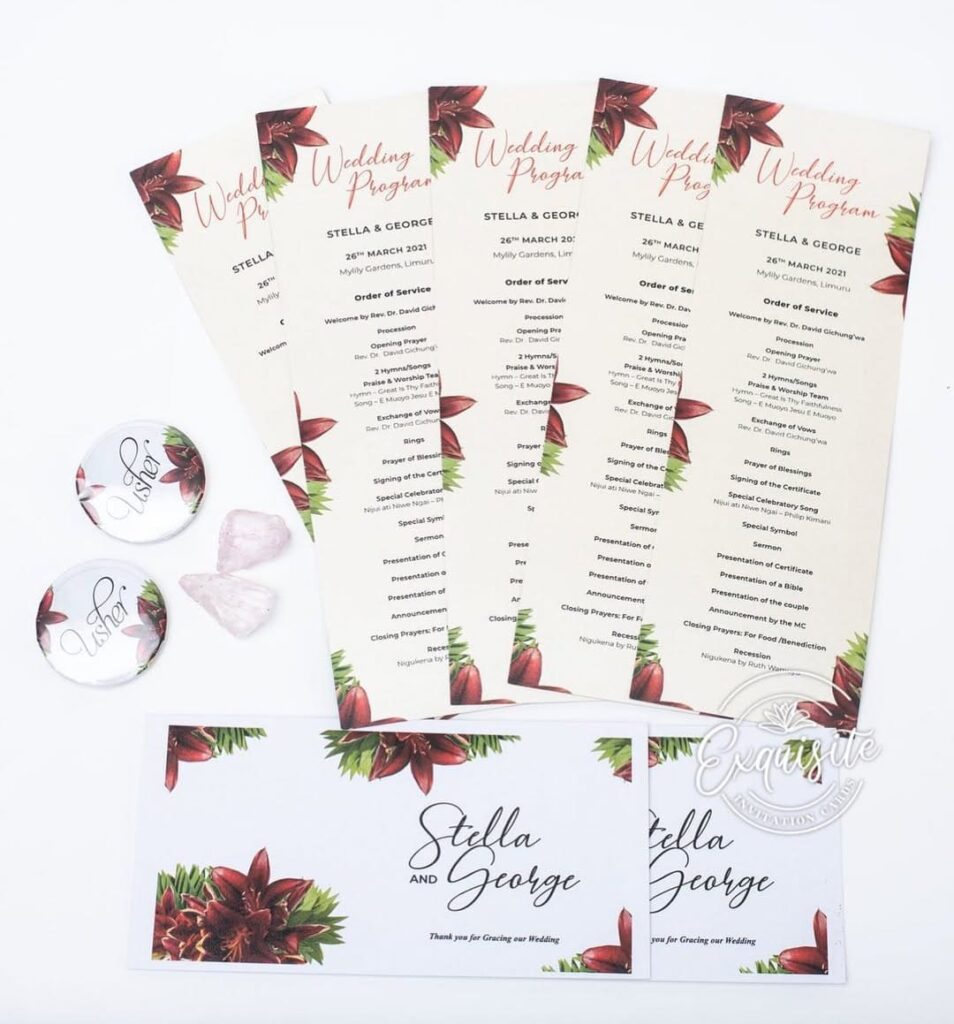
Order of Wedding Photographs (Church Edition)
Immediately after the recessional, churches typically facilitate structured photography before everyone disperses.
Here’s the standard order:
- Officiating Ministers
- Both sets of parents
- Bride’s parents only
- Groom’s parents only
- Bride’s extended family
- Groom’s extended family
- Both families together
- Friends of the bride with the couple
- Friends of the groom with the couple
- Bride’s classmates
- The entire bridal team (bridesmaids + groomsmen)
- Bridesmaids only
- Groomsmen only
- Groom’s colleagues
- Friends, church members, and general well-wishers
Modern Changes to Church Wedding Photography
Before heading to the reception, especially when guests are enjoying cocktail hour, photographers now prioritize these shots:
1. Bride and Groom Portraits
Candid, editorial, and romantic portraits around the venue.
2. Immediate Family Photos
Clean, organized shots while everyone is still fresh.
3. Reception Room Details
Photographers capture the décor before guests walk in—tablescapes, cake setup, menu cards, floral installations, and lights.
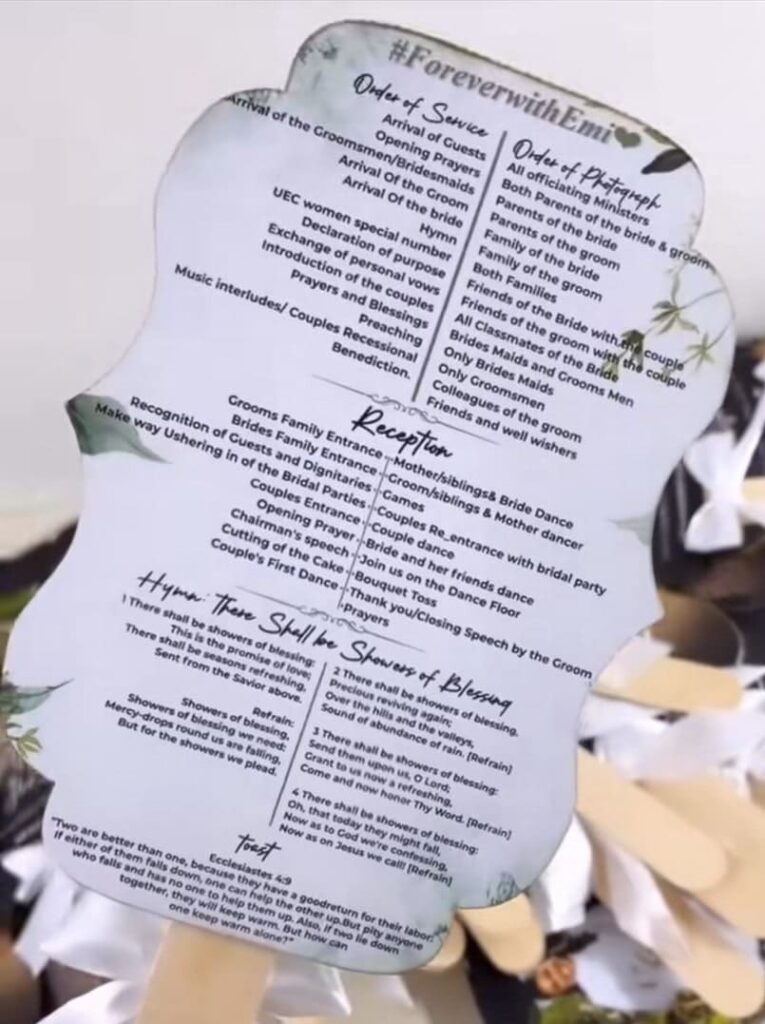
Wedding Reception Timeline (Kenya)
A Kenyan reception carries its own energy. Families show up ready to celebrate, the bridal team brings the vibe, and the couple steps into the room like the main event they are. The sequence can shift depending on community, venue, or the couple’s personal taste, but this is the flow most people recognize:
Typical Reception Order
- Groom’s family entrance
- Bride’s family entrance
- Recognition of guests and dignitaries
- Bridal party entrance
- Couple’s grand entrance and dance
- Opening prayer
- Chairman’s speech
- Cake cutting
- Couple’s first dance
- Dinner service
- Bride and siblings with mother dance
- Groom and siblings with mother dance
- Wedding games
- Couple’s re-entrance with the bridal party
- Couple dance session
- Bride and squad dance segment
- Open dance floor for guests
- Bouquet toss
- Portrait photography coverage
- Groom’s thank-you speech
- Closing prayer
Modern Adjustments You’ll See Today
More couples now blend structure with spontaneity. Cocktails often run before the formal program starts. The décor team may call the photographer for clean venue shots before guests stream in. Brides and grooms also take a short moment for fresh portraits while the bridal team entertains guests.
Final Thought
A Kenyan wedding runs on community, faith, and celebration. The program isn’t just a checklist—it’s the rhythm that keeps the day moving, makes sure no moment is rushed, and helps everyone stay present for the parts that matter. Once the order feels right for you, the rest of the day falls into place.