
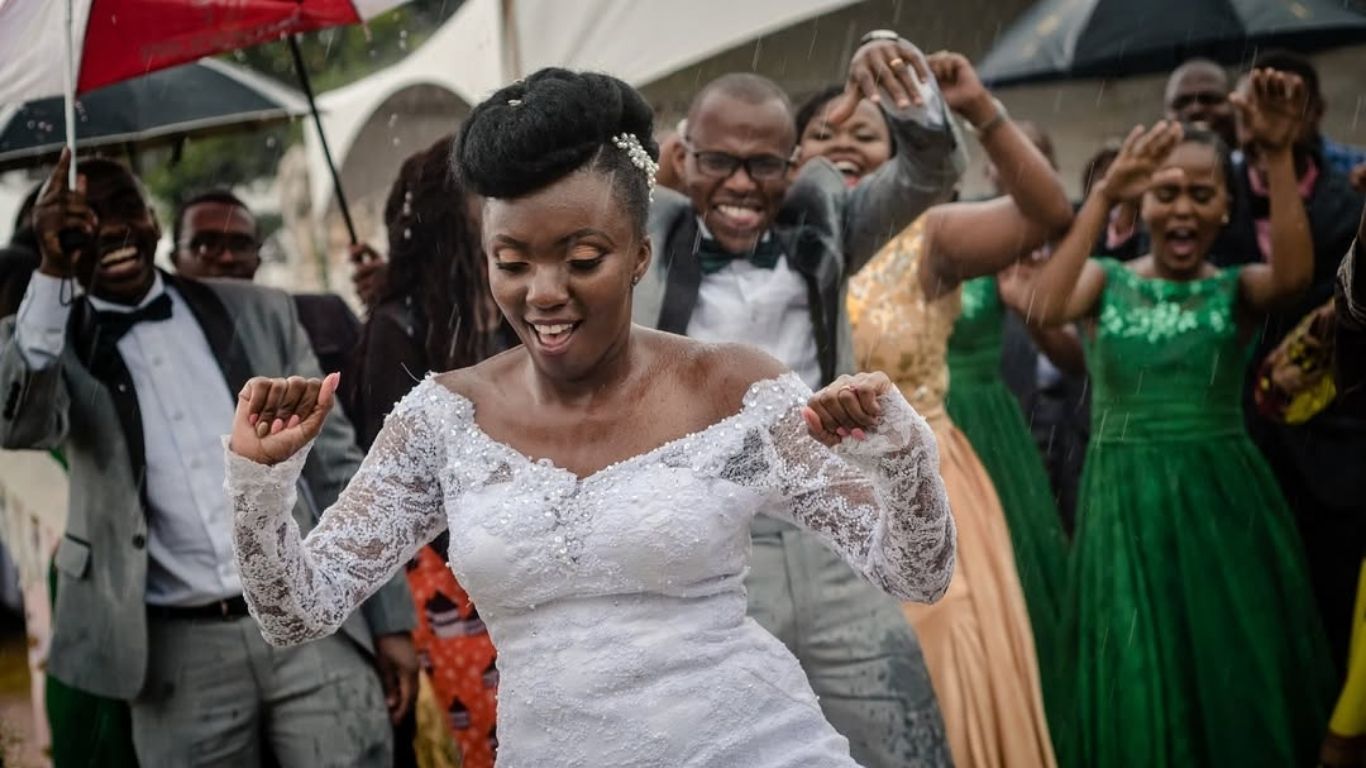
Dowry remains a deeply respected marriage tradition in Kenya. Here’s a detailed look at average amounts, expectations, and how families actually negotiate and pay.
Kenya has quietly become one of the world’s most sought-after wedding destinations, and it’s easy to see why. From sweeping savannahs and private conservancies to white-sand beaches, historic estates, and luxury lodges, the country offers backdrops that feel cinematic without trying too hard. Add a strong hospitality culture, skilled local vendors, and a deep respect for ceremony, and you get weddings that feel both meaningful and unforgettable.
That’s why you see everything here. Kenyan couples marrying at home. Kenyans in the diaspora returning to celebrate with family. Interracial and international couples choose Kenya not just for its scenery, but for the richness of its traditions. And when at least one partner is Kenyan, there’s one conversation that almost always comes up early in the process: dowry.
Dowry isn’t a detail you figure out later. It sits at the heart of marriage discussions, shaping family meetings, expectations, and timelines long before venues or outfits are chosen. But before getting into amounts or averages, there’s an important distinction many people miss, especially foreigners and first-timers.
This brings us to the next question that requires clarity before proceeding: the distinction between dowry and bride price.
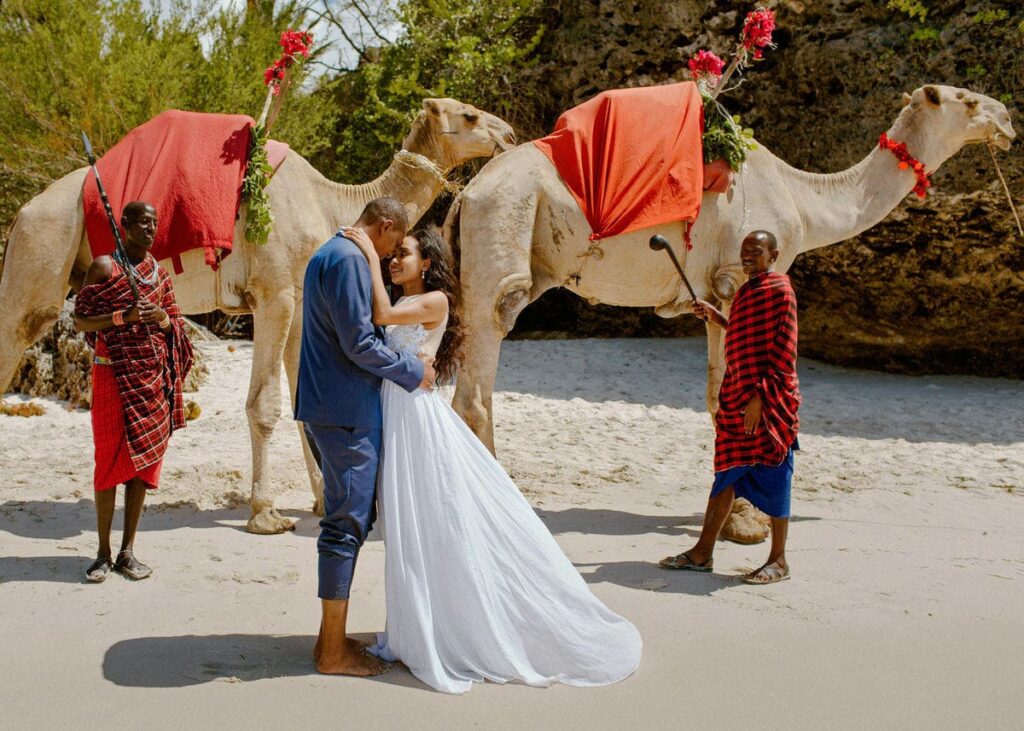
Difference Between Dowry and Bride Price in Kenya
In everyday conversations, people often use "dowry" and "bride price" interchangeably. Culturally, though, they are not the same thing. Across Kenyan communities, what actually happens during marriage negotiations leans more toward bride price, even when it’s casually called dowry. Here’s a clear breakdown so it makes sense at a glance.
Key Differences Explained
1. Who Pays Who
“Dowry” traditionally refers to wealth given by the bride’s family, while “bride price” is paid by the groom or his family to the bride’s family. In Kenya, the practice is overwhelmingly bride price.
2. Direction of Value
Bride price flows toward the bride’s family as appreciation for raising her. Dowry, where it exists historically, flows toward the bride to support her new household.
3. Cultural Practice in Kenya
Most Kenyan tribes practice bride price, not dowry in the strict sense. The word "dowry" is simply the popular label people use today.
4. How the Amount Is Decided
Bride price is usually negotiated between families. Depending on the community and time period, it may be a fixed expectation or adjusted based on family agreements, traditions, and circumstances.
5. Form of Payment
Bride price may include livestock, cash, food items, or symbolic gifts. Dowry traditionally involved household goods, land rights, or wealth meant for the bride’s use.
6. Purpose of the Tradition
Bride price symbolizes respect, commitment, and the joining of families. Dowry was meant to offer the bride security and independence within marriage.
7. Modern Interpretation
Today, bride price in Kenya is often symbolic rather than transactional. Many families prioritize mutual respect over strict valuation, especially in urban, intertribal, and intercultural marriages.
What this really means is that when people ask about dowry amounts in Kenya, they’re almost always asking about bride price. Understanding that distinction makes it much easier to talk about the dowry system in Kenya.
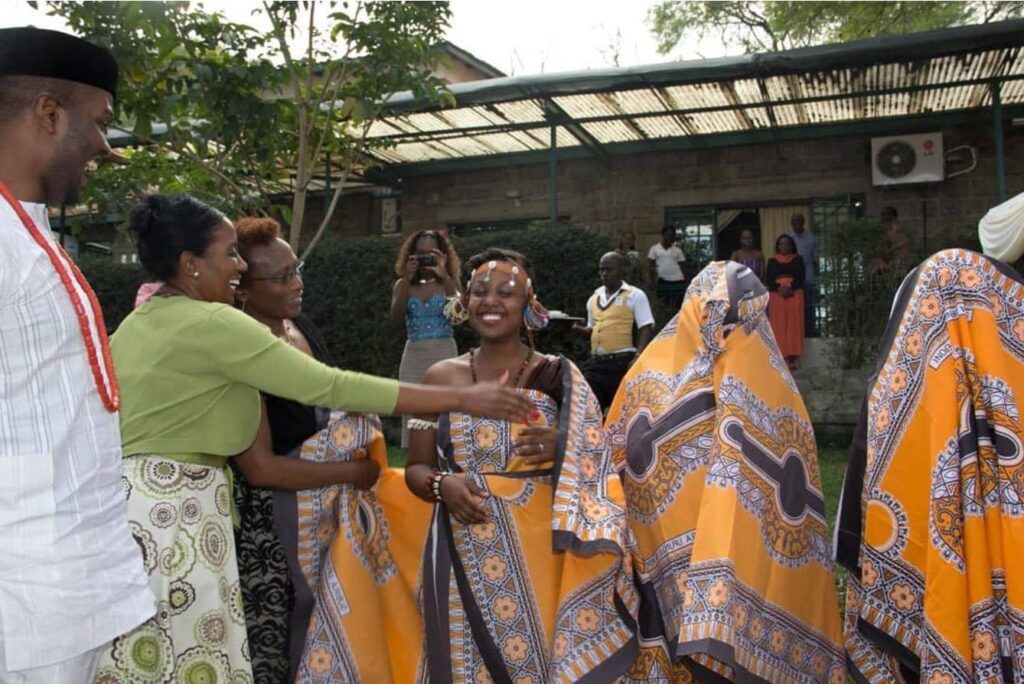
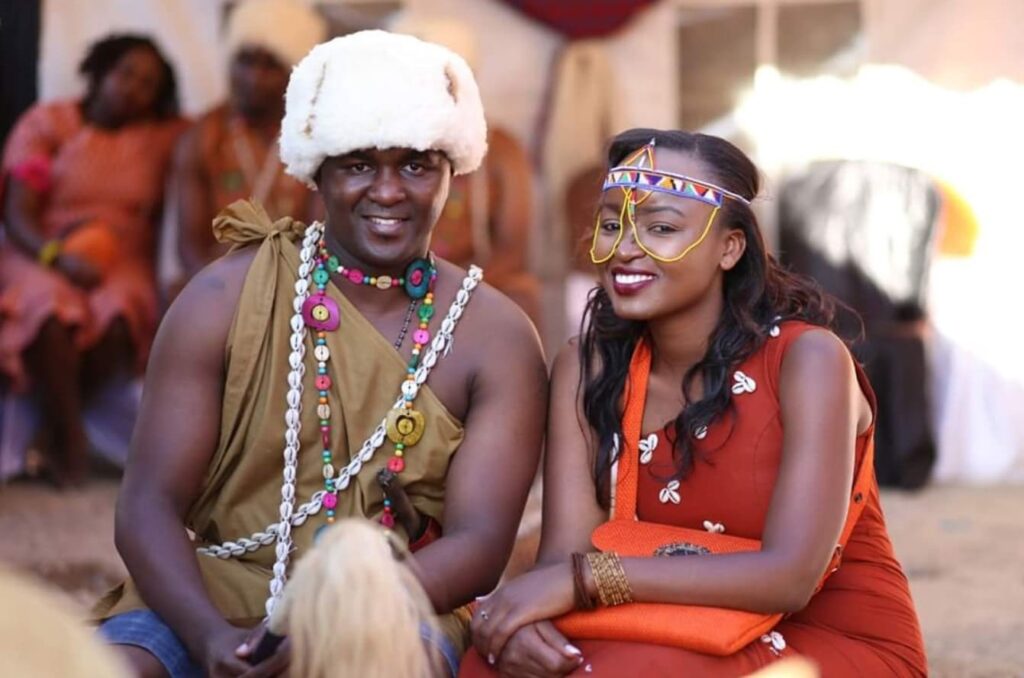
Image from idigitalmedium.com/wedding-traditions-kenya/
What Is the Dowry System in Kenya?
The dowry system in Kenya is a long-standing cultural practice that sits at the heart of marriage in many communities. It is not just about payment. It is about respect, recognition, and formally acknowledging a union between two families, not just two individuals. While customs vary across ethnic groups, the core idea remains the same: dowry validates the marriage and signals commitment.
In many Kenyan communities, dowry discussions are handled strictly by elders. It is not a romantic negotiation between the couple. Male representatives from both families meet during formal introduction ceremonies to agree on terms, often using humor, proverbs, and diplomacy to keep the process respectful. Once an agreement is reached, it carries real weight. Under Kenyan law, a promise of dowry can be treated as a binding obligation, and in some cases, families have successfully claimed unpaid dowry in court.
Traditionally, dowry was paid in livestock, especially cattle and goats, which symbolized wealth, stability, and the groom’s ability to provide. Over time, this has evolved. Today, many families accept cash equivalents or symbolic payments, particularly in urban areas, while still honoring the cultural meaning behind the tradition.
Different communities follow distinct processes. Among the Luo, the journey begins with ayie, a small acceptance payment made to the bride’s mother, followed later by nyombo, the main dowry. In Kikuyu culture, the process is known as ruracio, a structured series of ceremonies and symbolic gifts that lead to an agreed dowry. The Kamba refer to it as mbui sya ntheo, centered around goats and family gifts. The Luhya and Kalenjin incorporate livestock, food, and communal celebrations, while coastal Swahili Muslim communities follow Islamic customs, where dowry, known as mahr, is agreed upon and given directly to the bride.
Modern life has reshaped how dowry works, but not why it exists. Education costs, urban living, and inter-ethnic marriages have introduced flexibility, with many families choosing amounts that honor tradition without placing undue strain on the groom. Some couples even pay in stages, blending cultural expectations with practical realities.
At its core, the dowry system in Kenya remains a powerful symbol. It connects generations, reinforces family bonds, and marks marriage as a serious, respected commitment.
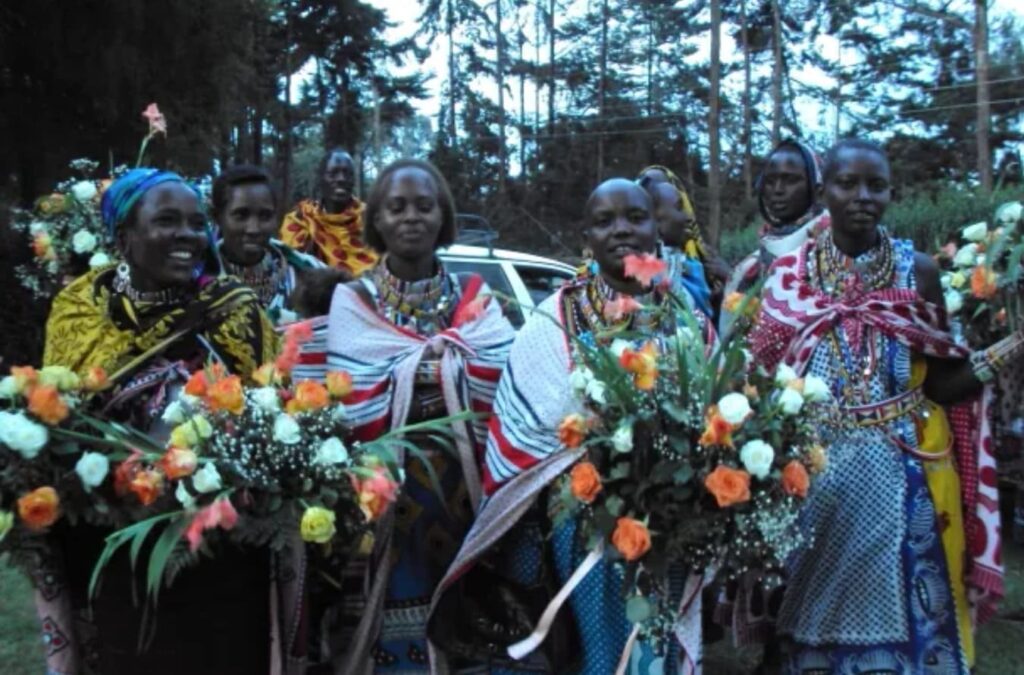
The Cost of Dowry in Kenya
Dowry in Kenya is not a fixed figure. It shifts based on tribe, family values, location, education, and sometimes the social standing of both families. Two people can marry within the same community and walk away with completely different figures, and that’s normal.
Some families treat dowry as symbolic. Others see it as a serious cultural obligation that must be honored carefully, even if it takes years to complete. What matters most is not the number itself, but how the process is handled.
How much does a dowry cost in Kenya? So let’s talk real numbers. Based on lived experiences shared by Kenyan families, grooms, brides, and even foreigners who have gone through the process, the average dowry in Kenya today typically falls between KES 400,000 and KES 1.5 million.
That range already tells you something important: there is no universal price.
Some families settle comfortably at around KES 300,000 to KES 600,000, especially where dowry is treated as appreciation rather than valuation. Others go beyond KES 1 million, particularly in urban or peri-urban areas, or where education, lifestyle, and family expectations come into play.
Real examples back this up:
- A Kamba family settling a dowry at around KES 500,000, with a balance to be paid later.
- A bride from Kiambu quoted anywhere from KES 400,000 on the lower end to as high as KES 4 million in some cases.
- Luo families accepted symbolic payments equivalent to a few cows or under USD 1,500, as long as the correct procedure was followed.
- Educated professionals, managers, or women marrying into politically or socially prominent families are seeing figures around KES 1.2M to KES 1.5M.
- Foreign grooms commonly report total expectations between USD 5,000 and USD 10,000, often spread over time and partly given as support rather than pure cash.
One thing comes up again and again: dowry is negotiated. The first figure mentioned is rarely the final one. Families expect discussion, respect, and patience, not instant agreement.
Also worth noting, many communities do not expect everything at once. Paying a dowry gradually is often seen as more respectful than clearing it in one dramatic payment.
Dowry Amount Breakdown by Major Kenyan Communities
While every family is different, certain patterns appear across communities. This is not a price list. Think of it as a general map.
Kikuyu
Dowry is often negotiated in cash today, though it may still be framed around goats or cows. Urban Kikuyu families, especially around Nairobi and Kiambu, tend to quote higher figures, sometimes crossing KES 1 million. Education level and family background can heavily influence expectations.
Kamba
Dowry commonly includes cash and symbolic livestock. Figures around KES 300,000 to KES 600,000 are frequently mentioned, though some families go higher. Installments are widely accepted, and negotiation plays a big role.
Luo
Traditionally centered around cattle, but now mostly converted to cash equivalents. Some families keep it symbolic; others set clear figures. Payments may include small envelopes for parents and elders. Many Luo families emphasize process over amount.
Luhya
Dowry often combines livestock, cash, and household items. Amounts vary widely by sub-tribe, but many families fall between KES 200,000 and KES 800,000, sometimes paid over time.
Meru
Still strongly tied to livestock, with some families asking for a few cows or goats. Cash equivalents are increasingly common, but expectations are often lower compared to heavily urbanized regions.
Coastal and Swahili Muslim communities
Dowry follows Islamic principles, where the agreed amount is given directly to the bride. Figures tend to be more structured and can range from modest to substantial, depending on family agreement.
Urban vs rural reality
Urban families generally quote higher dowry amounts, largely because of education levels, cost of living, and modern lifestyle expectations. Rural families may ask for less cash, but the value often shows up in livestock, farm support, and ongoing obligations that still carry real weight. According to Customer-Centric Events Ltd., a trusted Kenyan wedding and event planning company, typical ranges fall around KES 150,000 to KES 500,000 in major urban centers like Nairobi, Mombasa, and Kisumu; KES 50,000 to KES 200,000 in rural areas; and KES 100,000 to KES 300,000 along the Coast.
Dowry Negotiation in Kenya: How It Really Works
Here’s the thing most people don’t realize early enough: dowry in Kenya is not a fixed bill. It is a conversation. And that conversation is structured, symbolic, and heavily negotiated.
First, expect that dowry will be required in some form. Beyond the main payment, there may be additional expectations like small gifts, ceremonial items, or family obligations. None of this is random. It follows cultural logic. Also important: your wife-to-be usually does not know the exact amount. At best, she’s guessing based on family history and village precedent.
The importance of a go-between
You don’t walk into dowry negotiations alone. You need a mediator, often called a go-between. This is typically a respected elder from her community, someone her family trusts. He is not your father and doesn’t have to be your uncle. What matters is age, respectability, and cultural fluency.
A smart way to get there is through relationships. If your partner has an aunt she’s close to, involve her early. If you have an older female relative you trust, even better. These women help identify the right mediator and quietly shape expectations before any formal meeting happens. This step alone can save you a lot of money and stress.
Where the negotiation actually happens
The dowry amount is discussed during a specific traditional meeting. Two groups are present: your side, led by the go-between, and her family’s representatives. The couple does not negotiate directly.
Expect theatrics. Her family may say their daughter is priceless. They may question whether they know you well enough to attach a number. This is normal. Eventually, a high figure is mentioned, often in livestock terms. That number is not final. It is an opening move.
Your go-between already knows your budget. He consults quietly with your side as negotiations continue, steering the conversation toward something reasonable without insulting the family or their daughter.
Cows, cash, and payment plans
Once a number is agreed on, the discussion shifts to form. Will the dowry be paid in actual livestock or cash equivalents? If livestock, what kind? If cash, is it meant to buy cows locally?
Most families today prefer cash equivalents. Transporting animals across regions or borders is impractical, especially for diaspora grooms. Payment plans are also common. You can agree on the total amount while clearly stating how and when you’ll pay it. What matters is honesty and keeping your word.
And yes, some figures sound outrageous at first. Thirty cows and ten sheep might be mentioned. That does not mean it’s expected. It’s part of the negotiation rhythm. A good mediator knows where to land.
Who needs to be present?
Culturally, representation matters. Typically, you’ll need:
- An elder male figure representing you
- A mother and father figure (biological or symbolic)
- An aunt or a senior female representative
- One or two male friends
If you’re in the diaspora, this can feel overwhelming. Flights are expensive. The good news is that representation can be symbolic. Kenyans living locally who can step in and represent you for the ceremony. In some cases, even her trusted family friends can wear those roles for the day. What matters is respect for the structure, not perfection.
What to remember
Dowry is not the sale of a woman. It is not extortion. It is symbolic, negotiated, and meant to be achievable. The families are watching how you approach it: your humility, patience, and seriousness. Handle it well, and you earn lasting respect.
Choose your mediator carefully. Involve the right aunties. Be clear about your limits. And understand this one truth above all else: in Kenya, dowry is never just about the number. It’s about how you arrive at it.
The Modern Debate: Dowry’s Place in 21st-Century Kenya
While dowry remains a respected cultural tradition, its role in contemporary Kenya is increasingly debated. Historically, it symbolized respect, commitment, and the joining of two families. Today, critics argue that the practice sometimes strays from this original purpose. A 2023 paper by Alphonce Odhiambo Oduor, Dowry Payment in Kenya: Grounds for Abolition, highlights cases where women are pressured to fund their own dowries just to marry freely, or where some men treat paid dowries as a form of ownership, violating women’s dignity and rights. The paper calls for dowry to be abolished and criminalized, framing it as a threat to women’s constitutional freedoms and autonomy.
Concerns about dowry are not new. Even as far back as 1965, Time magazine reported that many young Kenyan bachelors viewed bride price as financially crippling, especially as education and inflation rose. The traditional system often demanded what could amount to several years’ income, payable in installments of livestock, cash, or goods. Critics argued it could feel more like a transactional “purchase” than a cultural ritual, leaving grooms financially strained and sometimes resentful of the custom.
Yet, supporters contend that dowry still has a practical and symbolic role. It offers families a measure of security for the bride, reinforces respect between households, and formalizes commitments in the absence of comprehensive marriage laws. Many see it as a cultural safeguard, ensuring that both families have a voice and that the union is celebrated with tradition and ceremony.
Modern Kenyan couples are finding ways to balance these perspectives. In urban settings, cash often replaces livestock, symbolic amounts are agreed upon, and payment plans allow couples to honor tradition without undue burden. Others negotiate inclusions like household support, gifts, or contributions to the family farm, reflecting both practicality and respect for heritage.
For today’s generation, the challenge lies in maintaining the dignity and purpose of dowry while adapting it to contemporary realities—valuing women’s autonomy, respecting family traditions, and ensuring the system is fair for everyone involved.
The Takeaway
If there’s one thing to understand about dowry in Kenya, it’s this: it is not just a transaction, and it is not a receipt.
It’s a cultural conversation shaped by respect, negotiation, and long-term relationships between families. While amounts vary—urban families may ask between KES 150,000–500,000, rural families KES 50,000–200,000, and coastal regions KES 100,000–300,000—the real value lies in how the groom demonstrates seriousness, humility, and commitment to doing things the right way.
For both Kenyans and foreigners, going in informed, respectful, and prepared to negotiate ensures the process honors tradition while remaining fair and meaningful for everyone involved.