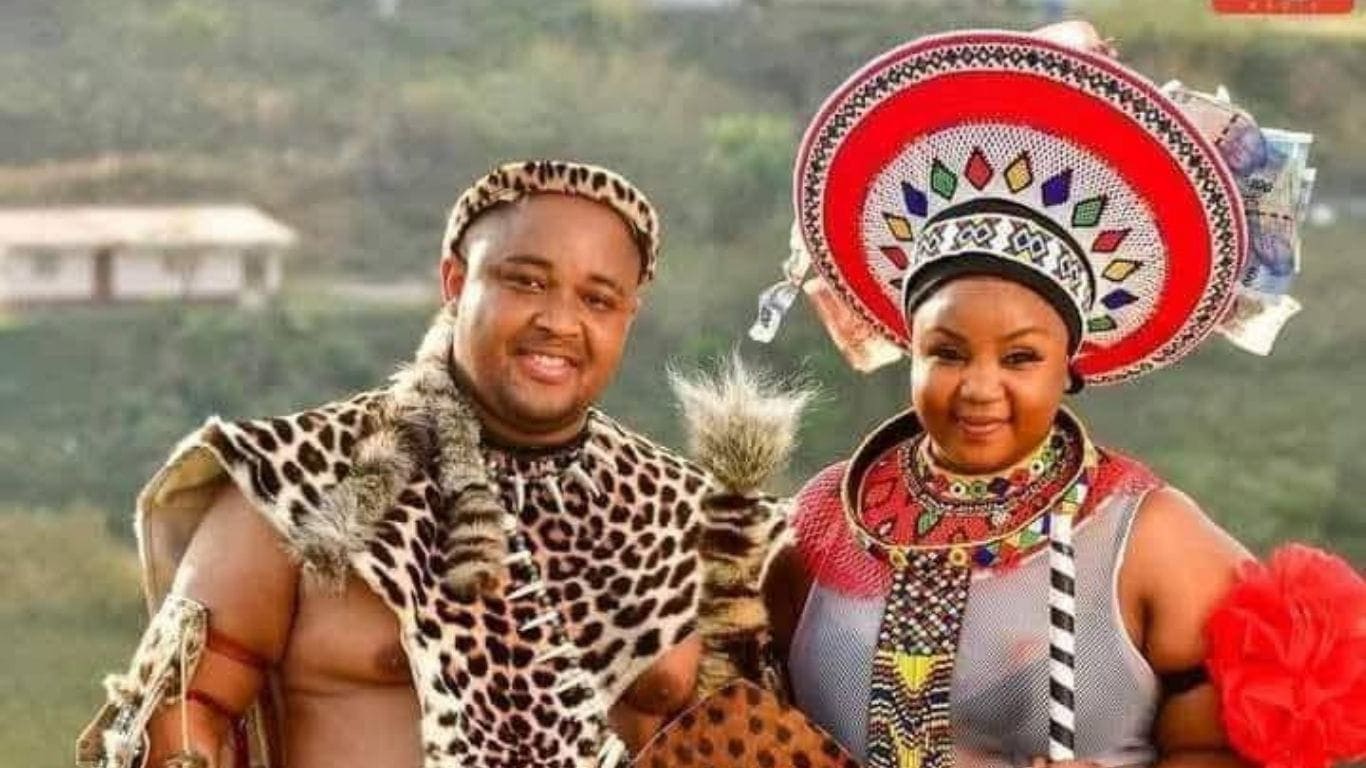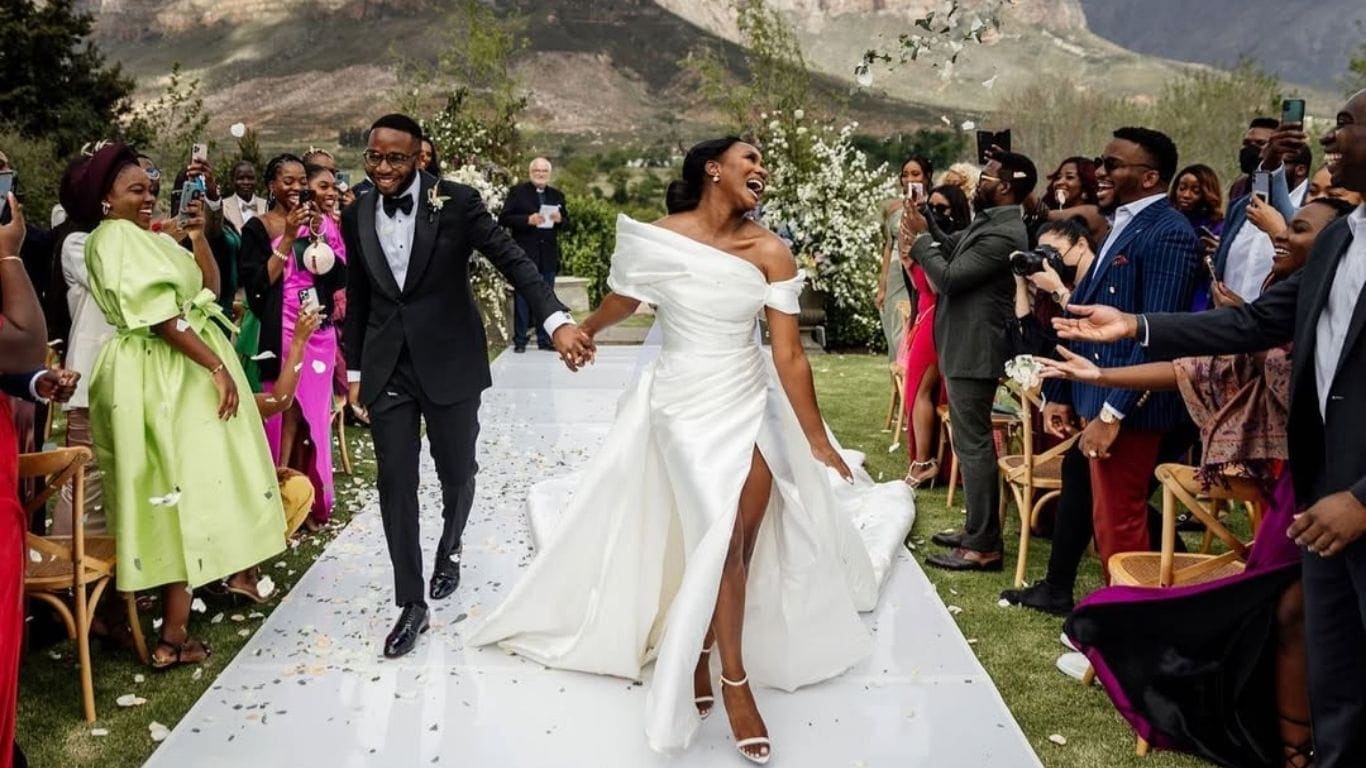

Choosing the right Yoruba traditional wedding MC matters. Here are 20 standout Alaga Idúró and Alaga Ìjókòó you should know.
Yoruba weddings are not just events. They are layered ceremonies filled with meaning, structure, and centuries-old customs that guide every moment of the day. From the formal family introductions to the prostrations, prayers, and gift exchanges, nothing is left to chance. Every step follows tradition, and every word spoken carries weight. This is why Yoruba weddings feel deeply intentional and why they require more than just good music and beautiful outfits to come together properly.
This is where the Alaga comes in. Unlike a general wedding MC whose focus is timing and entertainment, an Alaga is a cultural anchor. Alaga Iduro represents the bride’s family. Alaga Ijoko stands for the groom’s side. Together, they lead the ceremony, interpret customs, guide negotiations, control the tone, and ensure respect flows both ways. They know when to be playful, when to be firm, and when tradition must take precedence over excitement.
In many ways, the Alaga is the voice of the families and the guardian of Yoruba wedding customs. Choosing the right one can shape how smooth, respectful, and memorable the entire ceremony feels. That distinction is exactly why experienced Alaga MCs are highly sought after and why couples take their time selecting them.
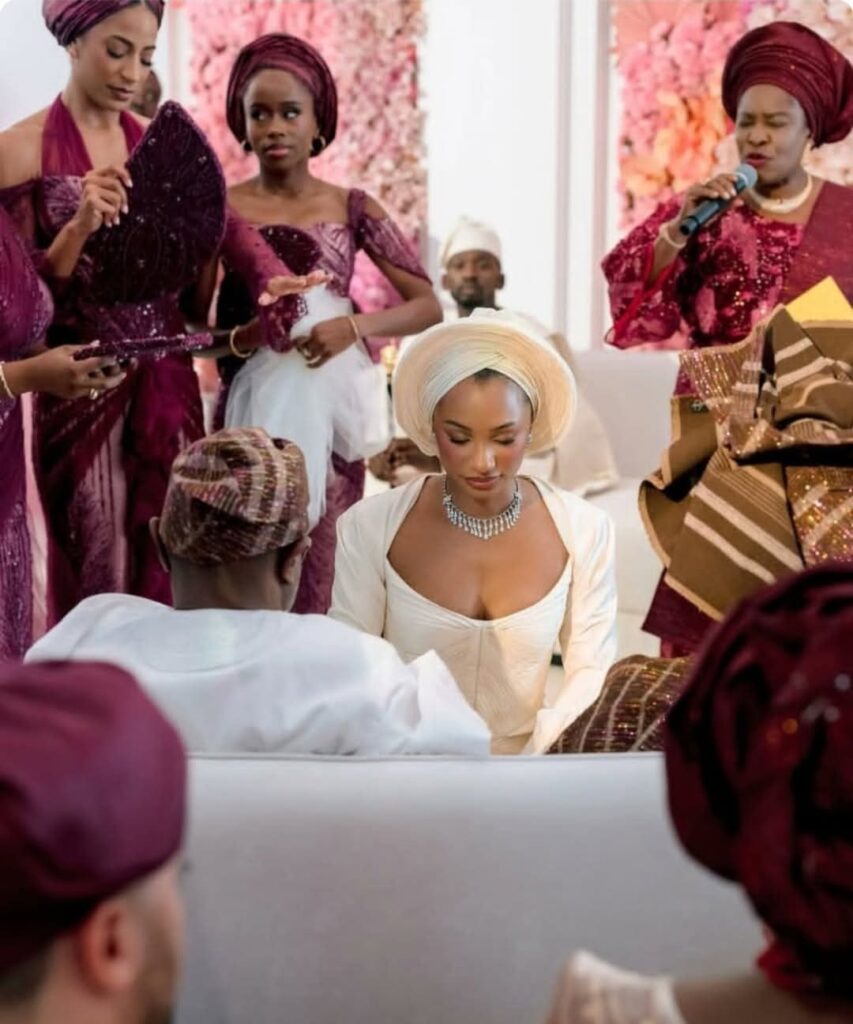
What Do Alágàs Do at a Yoruba Traditional Wedding?
If you’re new to Yoruba traditional weddings, the word “Alágà” might sound unfamiliar, but its role is anything but small. An Alágà is the cultural anchor of the ceremony. There are usually two of them: Alágà Ìdúró, who represents the groom’s family, and Alágà Ìjókòó, who represents the bride’s family. Think of them as cultural hosts, negotiators, storytellers, and crowd managers rolled into one.
In Ghana, a similar role exists and is known as the Okyeame, the linguist or spokesperson. Different name, same idea. Someone trusted to speak, guide, interpret tradition, and keep things respectful yet lively. Here’s what Alágàs actually do, broken down clearly.
1. They act as the official voices of both families
Alágàs speak on behalf of the bride’s and groom’s families throughout the ceremony. From greetings to formal responses, nothing is said casually. Every word carries meaning, and the Alágà delivers it with respect, humor, and cultural accuracy.
2. They lead the traditional marriage proceedings
From the groom’s family entrance to the presentation of marriage items, the Alágà controls the flow. They announce each stage, explain what is happening, and ensure the ceremony follows Yoruba customs without confusion.
3. They handle negotiations and symbolic requests
Yes, the playful negotiations are intentional. Requests for items, fines, or symbolic gestures are all guided by the Alágà. It’s done with wit and charm, never hostility, and it keeps guests entertained while honoring tradition.
4. They educate guests on Yoruba culture in real time
Not everyone in attendance understands the customs. The Alágà breaks things down as the ceremony unfolds, explaining the meanings behind actions, prayers, songs, and rituals so no one feels lost.
5. They manage crowd control and decorum
Traditional weddings can get lively fast. The Alágà keeps guests seated when needed, calls for attention at key moments, and ensures the ceremony remains respectful without killing the energy.
6. They inject humor and storytelling into the ceremony
A good Alágà knows how to balance authority with humor. Jokes, proverbs, and storytelling are used to lighten the mood, ease tension, and keep everyone engaged from start to finish.
7. They protect tradition while adapting to modern weddings
Today’s Yoruba weddings often mix tradition with modern touches. The Alágà ensures customs are preserved while working smoothly with planners, MCs, and photographers so everything feels coordinated and intentional.
By the time the ceremony ends, you realize something important. Without an Alágà, a Yoruba traditional wedding loses its structure, meaning, and soul. They are not just MCs in traditional attire. They are the custodians of culture, guiding one of life’s biggest moments with grace, authority, and deep understanding.
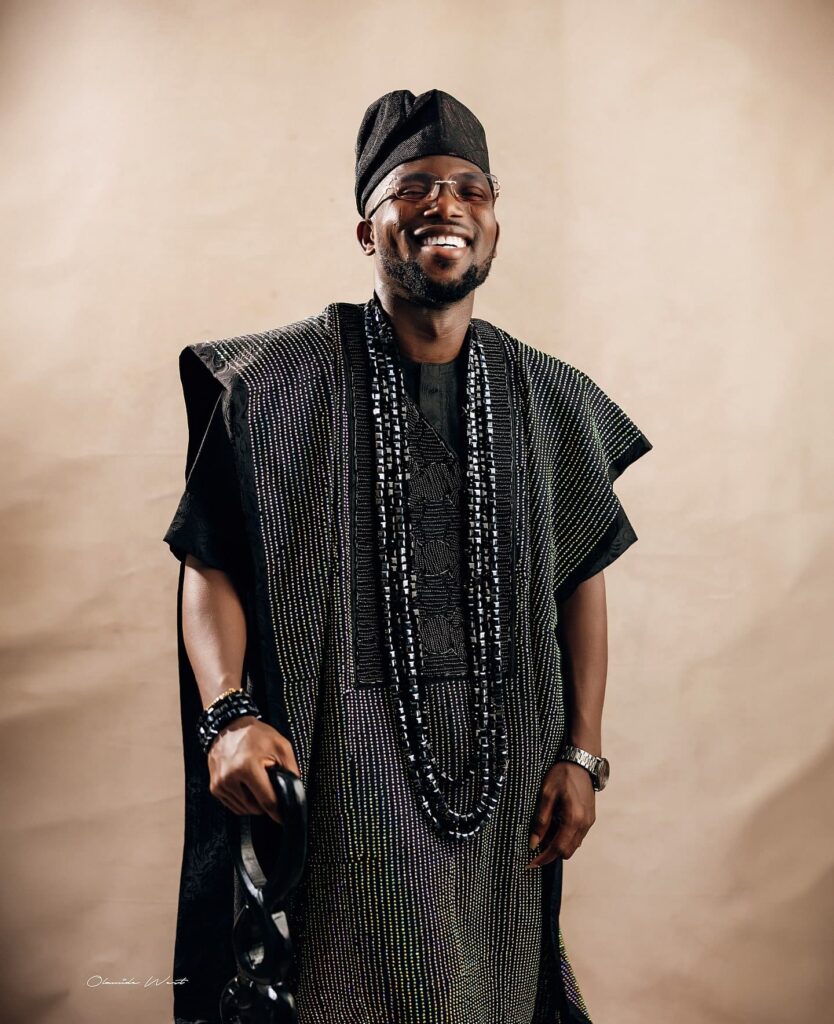
The Best Alagas for Yoruba Weddings
Choosing an Alaga is not just about finding someone who can speak well or crack a few jokes. It’s about trust, cultural depth, and presence. The Alagas featured in this list are widely respected within the Yoruba wedding space. They are deeply grounded in tradition, fluent in customs and ceremonial language, and experienced in handling the delicate back-and-forth between families.
Many of them have hosted countless traditional weddings, earning strong reputations through word of mouth, repeat bookings, and visible social media presence where their work speaks for itself. They understand timing, symbolism, and the importance of doing things the right way while still keeping the atmosphere warm and engaging. These are the Alagas couples rely on to guide one of the most important cultural moments of their lives with confidence, clarity, and respect.
1. Alaga Iyawo
- Real Name: Abisola Bamidele
- Location: Lagos
- Best for: Luxury destination and traditional wedding compere
- Known for: Roles like Iduro/Ijokos in traditional weddings
- Instagram: @alagaiyawo
2. Damilola the Alaga
- Real Name: Damilola Lawal
- Location: 34 Bashua Road, Morocco Road, Lagos, Nigeria
- Weddings covered: 1,000 Traditional Yoruba & Intertribal weddings
- Best for: Destination weddings and traditional ceremonies
- Known for: Roles like Iduro/Ijokos in traditional weddings
- Instagram: @damilolathealaga
- Website: damilolathealaga.com
3. Jide Gold Alaga
- Real Name: Salau Hammed Olajide
- Location: Lagos, Nigeria
- Best for: Destination weddings and traditional ceremonies
- Known for: Roles like Iduro/Ijokos in traditional weddings
- Instagram: @jidegoldalaga
4. Sokoyokoto
- Real Name: Foluso Ogunjimi
- Location: Lagos, Nigeria
- Best for: Destination weddings and traditional ceremonies
- Known for: Yoruba weddings as Alaga Iduro/Alaga Ijoko
- Instagram: @sokoyokoto_
5. Oppyjay Alaga
- Real Name: Kudaisi Opelopejesu
- Location: Ibadan and Abeokuta
- Best for: Destination and traditional wedding compere
- Known for: Roles like Iduro/Ijokos in traditional weddings
- Instagram: @oppyjay_alaga
6. Oluremisan
- Real Name: Oluremi Akintola-Samuel
- Location: Lagos, Nigeria
- Best for: Destination weddings and traditional ceremonies
- Known for: Roles like Iduro/Ijokos in traditional weddings
- Instagram: @oluremisan
7. Alága Royale
- Real Name: May Adeyemi
- Location: Lagos, Nigeria
- Best for: Destination weddings and traditional ceremonies
- Known for: Roles like Iduro/Ijokos in traditional weddings
- Instagram: @alaga_royale
8. Alaga Okunrin
- Real Name: Ashimiyu Idowu
- Location: Lagos, Nigeria
- Best for: Destination weddings and traditional ceremonies
- Known for: Roles like Iduro/Ijokos in traditional weddings
- Instagram: @alagaokunrin
9. Tush Alaga
- Real Name: Aderonke Arewa Coker
- Location: Lagos, Nigeria
- Best for: Destination weddings and traditional ceremonies
- Known for: Roles like Iduro/Ijokos in traditional weddings
- Instagram: @tush_alaga
10. Preciousbee Alaga
- Real Name: Ifeyemi Oluwabusayo
- Location: Abuja, Nigeria
- Best for: Destination weddings and traditional ceremonies
- Known for: Roles like Iduro/Ijokos in traditional weddings
- Instagram: @preciousbee_alaga
11. Alaga Toh Bam
- Location: Lagos and Ibadan, Nigeria
- Best for: Destination and traditional wedding compere
- Known for: Roles like Iduro/Ijokos in traditional weddings
- Instagram: @alaga_toh_bam
12. Joyous Alaga
@joyous_alaga If your groom did not bring an alaga that will beg for your hand in marriage like this, tell him to go and book @joyous_alaga and come back 😃 #joyousalaga #nigerianwedding #yorubawedding #alagainlagos #alagaijoko #alagaiyawo ♬ original sound – D Joyous One 💃
- Real Name: Adeosun Aishat
- Location: Lagos, Nigeria
- Best for: Destination weddings and traditional ceremonies
- Known for: Roles like Iduro/Ijokos in traditional weddings
- Instagram: @joyous_alaga
13. Portable Alaga
- Real Name: Oluwafolakemi Portable
- Location: Lagos, Nigeria
- Best for: Destination weddings and traditional ceremonies
- Known for: Roles like Iduro/Ijokos in traditional weddings
- Instagram: @portable_alaga1
14. Alaga Bolele
- Real Name: Boluoye Sanya
- Location: Lagos, Nigeria
- Best for: Destination weddings and traditional ceremonies
- Known for: Roles like Iduro/Ijokos in traditional weddings
- Instagram: @alaga_bolele
15. Bobo Alaga
- Real Name: Akinbobola Kingsley Adebayo
- Location: Lagos, Nigeria
- Best for: Destination weddings and traditional ceremonies
- Known for: Roles like Iduro/Ijokos in traditional weddings
- Instagram: @boboalaga
16. Ogetoyinbo Alaga
- Real Name: Aina Adesayo Oluwabukunmi
- Location: Lagos, Nigeria
- Best for: Destination weddings and traditional ceremonies
- Known for: Roles like Iduro/Ijokos in traditional weddings
- Instagram: @ogetoyinbo_alaga
17. Adeola Alaga
- Real Name: Adeola Anike
- Location: Lagos and Ibadan
- Best for: Destination weddings and traditional ceremonies
- Known for: Roles like Iduro/Ijokos in traditional weddings
- Instagram: @adeola_alaga
18. Tallest Alaga (Owambe Alaga)
- Real Name: Abiodun Ekundayo
- Location: Lagos and Ibadan
- Best for: Destination and traditional wedding compere
- Known for: Roles like Iduro/Ijokos in traditional weddings
- Instagram: @tallest_alaga
19. Splufik Alaga (Forbes Finest)
- Location: Lagos, Nigeria
- Best for: Destination weddings and traditional ceremonies
- Known for: Roles like Iduro/Ijokos in traditional weddings
- Instagram: @forbesfinest
20. Renike Alaga
- Real Name: Aliu Aishat Iyabo
- Location: Akure /Ondo / Osogbo / Ekiti
- Best for: Destination weddings and traditional ceremonies
- Known for: Alaga roles in traditional weddings
- Instagram: @renike_alaga
21. Alaga Sisi Bella
- Real Name: Isabella Adediji
- Location: Lagos, Nigeria
- Best for: Destination weddings and traditional ceremonies
- Known for: Roles like Iduro/Ijokos in traditional weddings
- Instagram: @isabellaadediji
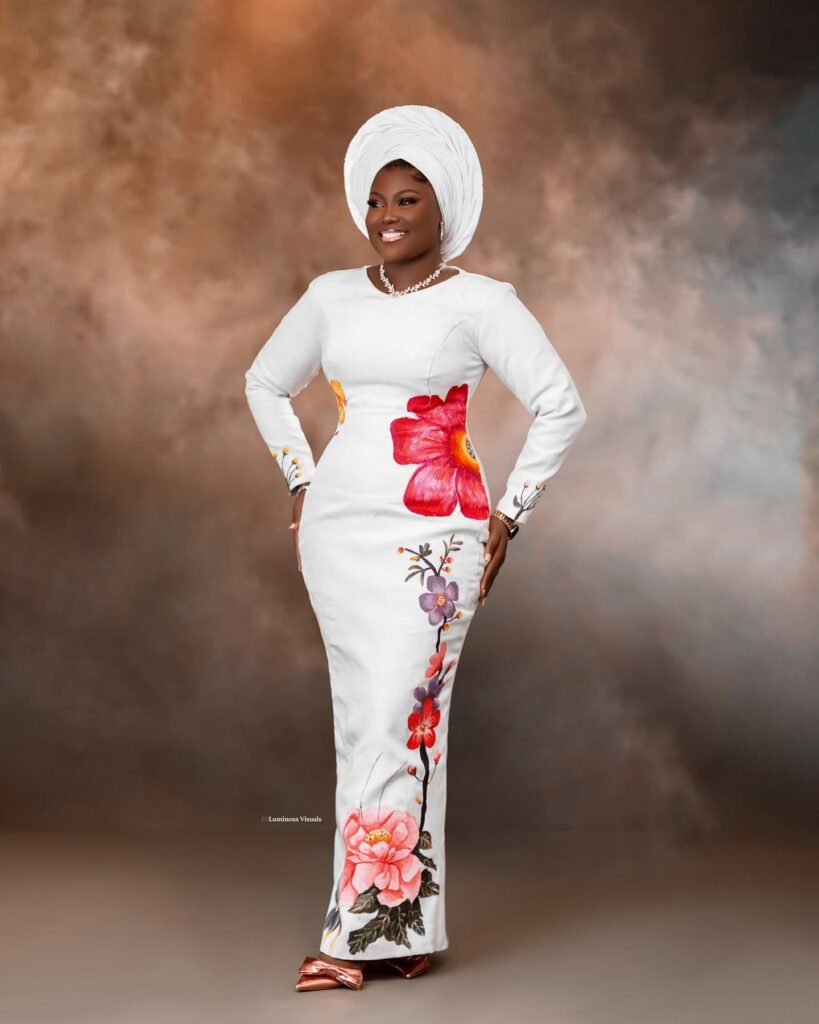
Cost of Alagas in Nigeria
Alaga fees are not fixed, and that’s intentional. Pricing usually reflects experience, reputation, demand, and the depth of cultural expertise an Alaga brings to the ceremony. Factors like years of hosting traditional Yoruba weddings, fluency in customs and language, social media presence, past clientele, event location, and whether the wedding is local or destination-based all play a role. Some Alagas also charge more if they are required to rehearse with families, travel long distances, or handle highly elaborate ceremonies.
So how much do Alagas charge for Yoruba weddings? On average, Alaga fees in Nigeria typically range from ₦100,000 to ₦300,000 for standard traditional weddings. More experienced or highly sought-after Alagas with strong reputations can charge ₦500,000 and above, especially for premium weddings, destination ceremonies, or high-profile families. As with most wedding vendors, the price often reflects not just time spent on the day but the cultural authority, confidence, and peace of mind they bring to the entire celebration.
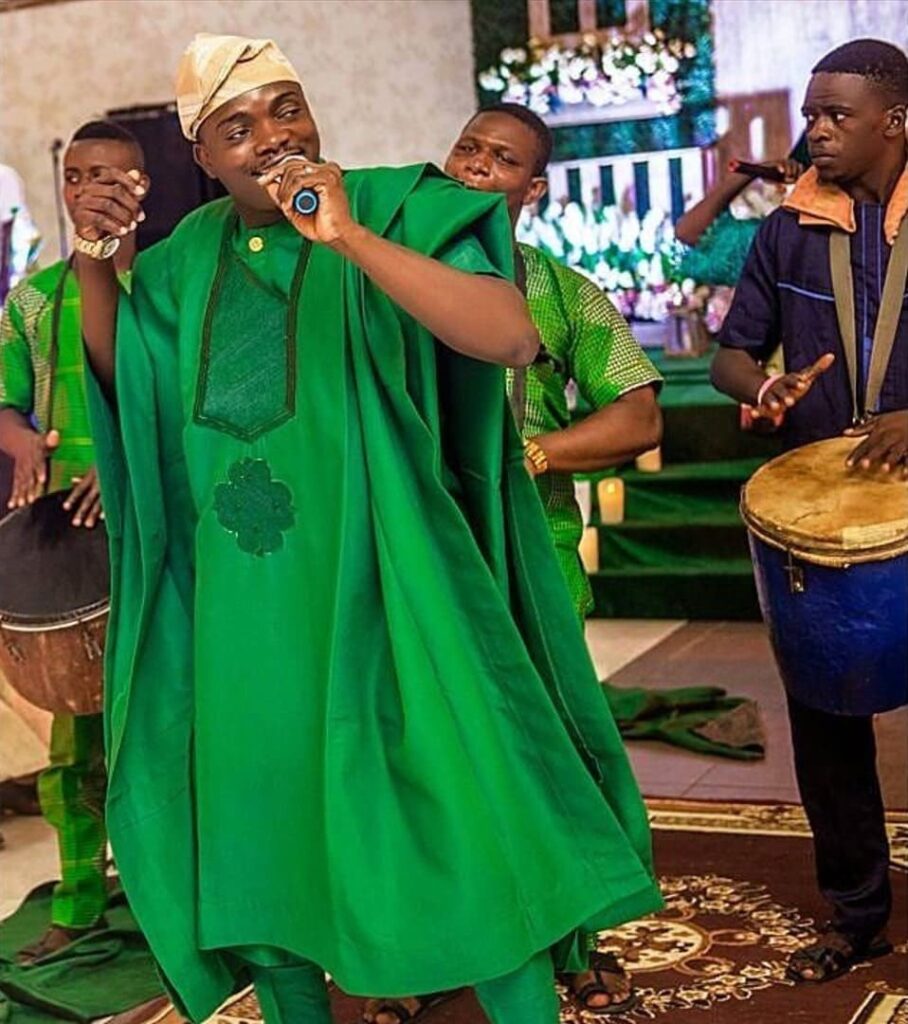
What to Consider Before Booking an Alaga for Your Traditional Yoruba Wedding
Booking the right Alaga is crucial for a traditional Yoruba wedding. An Alaga does more than just host—they set the tone, guide the ceremonies, and ensure every cultural nuance is honored. Before hiring one, here are seven essential factors to consider:
1. Experience with Yoruba weddings
A seasoned Alaga understands the intricacies of Yoruba traditions, from the engagement (Idana) to the wedding day ceremonies. They know how to handle each ritual smoothly and respect cultural nuances.
2. Specialization: Iduro or Ijoko
Some Alagas excel at standing during ceremonies (Iduro), others at seated hosting (Ijoko). Confirm their style aligns with your wedding setup and preferences.
3. Stage presence and charisma
The best Alagas command attention naturally, keeping guests engaged while balancing humor, elegance, and respect for the proceedings.
4. Language and communication skills
An Alaga should effortlessly switch between English, Yoruba, and Pidgin, ensuring both local and diaspora guests understand and enjoy the ceremonies.
5. Portfolio and reputation
Check past events, testimonials, and social media presence. An Alaga trusted by other couples is more likely to deliver a smooth, memorable experience.
6. Flexibility and package options
Some Alagas include rehearsals, travel, or extra hosting hours. Ensure their offerings match your wedding needs and can adapt to last-minute changes.
7. Budget considerations
While experience and reputation often come at a premium, make sure their rates align with your budget. The right Alaga is an investment in a seamless, culturally rich celebration.
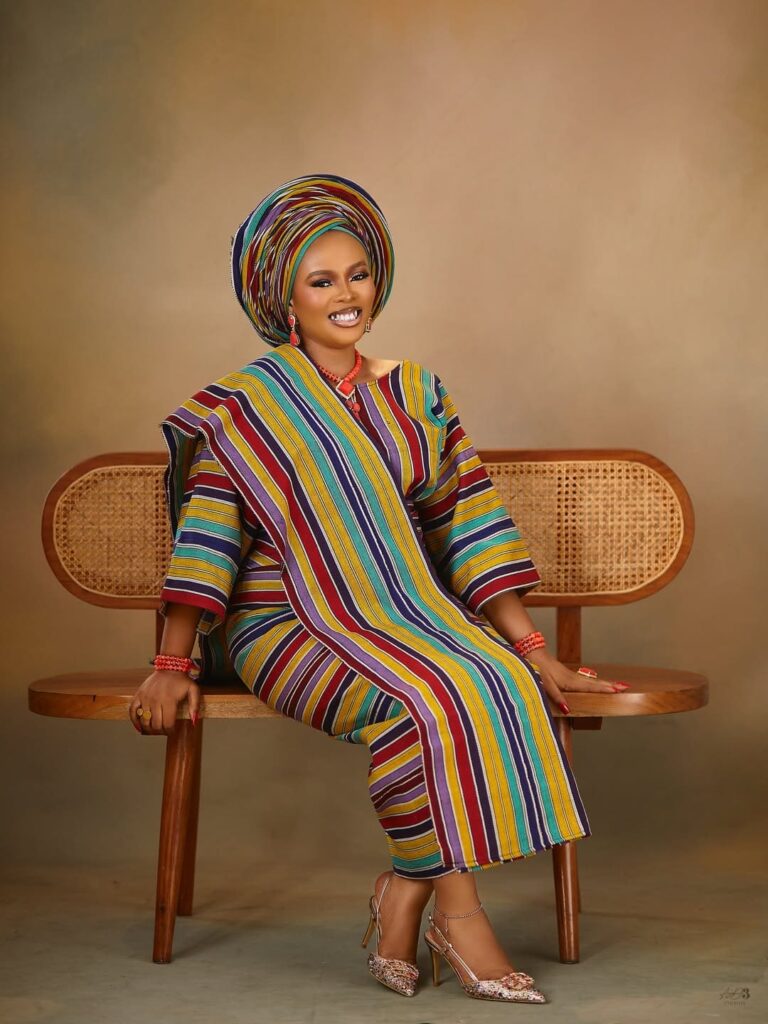
Final Thought
Choosing the right Alaga can transform a traditional Yoruba wedding from simply beautiful to unforgettable. These masters of ceremony do more than just host—they honor customs, guide rituals, energize the crowd, and create moments that stay in everyone’s memory long after the last song. From understanding the difference between Iduro and Ijoko to reading the room to seamlessly switching between languages, a skilled Alaga brings both tradition and charisma to the day.
Couples should focus on experience, stage presence, cultural knowledge, and reputation while also considering budget and package flexibility. The right Alaga isn’t just a service provider—they are the heartbeat of the celebration, the bridge between families, and the thread that ties every moment together. Investing in a trusted, talented Alaga ensures your wedding flows flawlessly, stays true to Yoruba traditions, and leaves guests talking about it for years.
Frequently Asked Questions About Alagas
1. What is Alaga & Owanbe?
Alaga refers to the master of ceremonies at Yoruba traditional weddings, while Owanbe describes the lively, extravagant Nigerian wedding parties where the Alaga shines, keeping guests engaged and ceremonies flowing.
2. What is an “Alaga” in Yoruba culture?
An Alaga is the host or MC of a Yoruba traditional wedding. They guide rituals, manage the crowd, and ensure every cultural practice is performed correctly, balancing entertainment and tradition.
3. What does an Alaga do at a wedding?
Alagas coordinate the ceremony, announce events, entertain guests with humor or storytelling, and help the couple and families navigate each ritual smoothly.
4. Why is the Alaga tradition important in Nigeria?
The Alaga preserves Yoruba customs, ensures the wedding flows without hiccups, and brings energy and charm that make the celebration memorable for everyone involved.
5. How much does an Alaga charge for a Yoruba traditional wedding?
Alaga fees vary widely depending on experience, reputation, and location. On average, rates range from ₦100,000 for newer talents to ₦250,000–₦300,000 or more for top-tier professionals.
6. What is the difference between Alaga Iduro and Ijoko?
Alaga Ijoko represents the bride’s family and acts as a playful “gatekeeper,” using witty banter and songs to challenge the groom’s family before granting permission for the ceremony to proceed. Alaga Iduro hosts while standing and actively moves around during ceremonies, while Alaga Ijoko sits and manages proceedings from a central spot. Both roles require skill and charisma.
7. Can Alagas host weddings outside Nigeria?
Yes, many experienced Alagas cater to diaspora weddings in the UK, US, Canada, and other countries, adapting traditions to the setting while keeping cultural authenticity intact.
8. How do I choose the best Alaga for my wedding?
Look for experience with Yoruba weddings, stage presence, social proof, language versatility, and the ability to adapt to your specific wedding style and scale.
9. Do Alagas work with other MCs or event planners?
Most Alagas coordinate closely with co-MCs, planners, and vendors to ensure smooth timing, seamless transitions, and full coverage of all events.
10. What makes a Yoruba Alaga different from a regular MC?
Unlike general MCs, Yoruba Alagas are steeped in cultural knowledge, lead traditional rituals, and know how to blend ceremony with entertainment while honoring the couple’s heritage.